
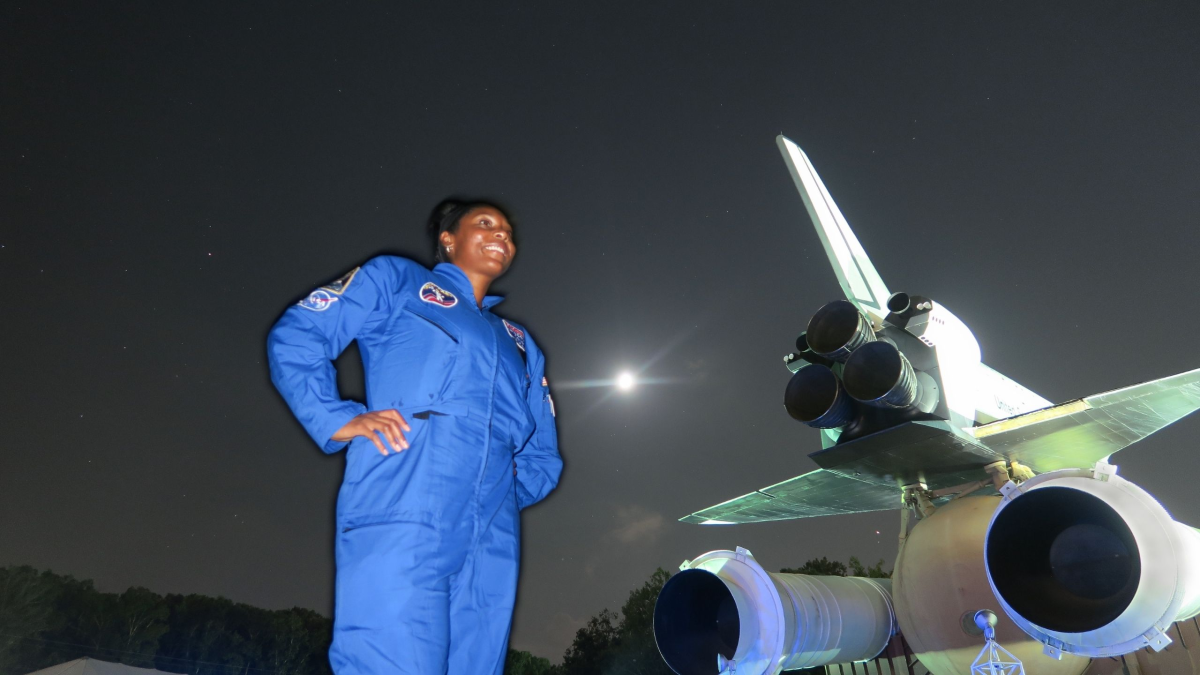
Receiving an invitation to Space Camp often triggers a common adult reaction: isn't that for children? However, upon arriving in Huntsville and checking in, that notion quickly fades. This version of Space Camp is tailored specifically for grown-ups, centered on immersive, hands-on activities that demand full engagement.
The Experience Begins with a Shift in Perspective
Putting on the flight suit marks a turning point. While it's an extra purchase, it proves entirely worthwhile. This uniform might seem minor, but it transforms the atmosphere. The weekend takes on an official tone—you're not merely visiting an attraction but entering a structured program with schedules, roles, and expectations, all hosted at the U.S. Space & Rocket Center, which operates Space Camp programs throughout the year.
Adjusting to a New Environment
Before any astronaut training starts, Space Camp reshapes your comfort zone. It begins with practical logistics that subtly alter your mindset: room assignments, lockers, and orientation schedules. Opting to stay on-site means sleeping in authentic dorms with bunk beds and shared spaces with fellow adult campers, rather than in hotels with typical amenities.
Fellow participants come from diverse backgrounds and locations nationwide, from California to Louisiana, some flying in and others driving regionally. Among them was a woman who first saw Space Camp on TV as a child and finally attended as an adult when she could afford it, and a man who brought his father-in-law for a birthday celebration. Campers arrive solo or in small groups, spanning various ages, careers, and life stages.
For instance, a last-minute room mix-up during check-in led to a rush before orientation and landing on a top bunk. As someone six feet tall, climbing up after a long day wasn't exactly comfortable. This moment underscored the program's essence: Space Camp isn't about pampering; it's about fostering a team environment where adaptability outweighs convenience.
Orientation Sets the Stage
Orientation is where Space Camp becomes real. You're assigned to a team, given a mission identity, and expected to collaborate swiftly. Our group included 17 adults from across the country, with different backgrounds, careers, and personalities, all tasked with operating as a cohesive unit.
This raises the stakes—it's not a casual icebreaker but a demand for clear communication, attentive listening, and trust in people you've just met. Fueled by adrenaline, everyone was eager to dive in and begin.
We met astronaut Don Thomas, who shared how it took four applications before NASA accepted him, with each rejection prompting him to reassess his skills and refine his approach. He pursued additional degrees and worked in various industries to achieve his lifelong dream of joining NASA's astronaut program, which he ultimately did. His story was inspirational, highlighting that dreams require discipline and progress stems from persistence.
This set the tone for what followed: from that point on, you're no longer a visitor but a participant expected to contribute, adapt, and share responsibility for the team's success.
Simulators Bring Space to Life
Next, space training exercises begin, asking your body to participate, not just your curiosity. The simulators reveal a simple truth: space travel is disorienting, unpredictable, and unforgiving of hesitation.
The Multi-Axis Trainer often serves as the first reality check—a viral example many have seen. Strapped in and spun in multiple directions at once, it mimics sensations during reentry, with no single point of balance. Your sense of equilibrium vanishes quickly, forcing reactions without relying on usual physical cues. It's exhilarating but clarifies that staying calm in space isn't about bravery; it's about training responses when control is lost.
Other simulators build on this lesson, demonstrating how gravity shifts, orientation changes, and small movements amplify in unfamiliar environments. Even simple tasks require intense focus, illustrating why astronauts depend on systems and routines over improvisation.
Small discoveries linger, such as the practical importance of Velcro in space—not as a novelty but as a solution for keeping people and tools in place when nothing stays put.
Space Camp isn't about pretending; after stepping out of the simulators, you've felt astronaut training firsthand, altering your approach to everything that follows.
Rocket Building Fosters a Mindset
Model rocket construction and launch are central to Adult Space Academy, included for a reason. You're thrust into detailed work most adults wouldn't choose on vacation: reading instructions carefully, building with precision, making quick decisions, and adjusting when things go awry.
The launch is the emotional payoff, with everyone looking up, invested in a tiny piece of engineering they assembled. Some launches succeed; others don't. Either way, the lesson lands: space travel is built on iteration, and the program embeds this into a hands-on activity.
If you're booking this weekend to feel like a kid again, this moment sparks that joy. If you're seeking to feel capable again, it starts building that confidence.
Team-Building Forges a Crew
Even though I attended Adult Space Academy alone, it's not designed as a solo experience. Consistent team-building activities force communication, patience, and shared problem-solving.
This shifts the weekend from space facts to team dynamics, revealing who takes charge, stays calm, gets quiet, or becomes the glue. It also shows how easily miscommunication occurs when assuming everyone processes instructions the same way.
The Final Mission Tests Everything
The weekend climaxes with a simulated mission, akin to a final exam. All training—pieces, information, and practice missions—is put to the test. While scenarios vary, concepts remain: you're assigned a role, trained just enough to function, then dropped into a timed mission where communication and checklists are crucial.
It demands attention, coordination, and responses to unexpected problems without panic or freezing. Your team depends on you.
In my case, I served in Mission Control for a Mars mission, handling coordination as the simulation threw anomalies at my team and communicating instructions for next moves. My decision-making under pressure ultimately determined their survival.
Huntsville's Integral Role
Huntsville might seem like a backdrop, but it's key to why the experience works so well. The city has been linked to American space exploration for decades, but unlike other "space history" destinations, the work never stopped. NASA's Marshall Space Flight Center remains a major hub for propulsion systems, engineering, and mission support tied to current and future deep space exploration, where heavy-lift rockets are tested, refined, and reimagined.
This ongoing relationship subtly shapes the city's culture, felt in how Space Camp is run and beyond the U.S. Space & Rocket Center gates. Huntsville doesn't present space as spectacle but as work—technical, methodical, and collaborative.
The city itself is quietly surprising, lacking tourist gloss or themed sales pitches. Instead, it feels practical and grounded, with engineers, scientists, defense contractors, artists, and entrepreneurs coexisting without obvious signs.
Evaluating the Worth of Adult Space Camp
Adult Space Camp isn't luxury travel, nostalgia tourism, or a thrill-seeking escape. It's a rare chance to enter a structured environment where engagement is mandatory because your team depends on your participation. Responsibility is shared, and learning is both physical and mental. Occurring in Huntsville, a city actively shaping America's space future, makes this an experience worth adding to any travel wishlist.
It's also more accessible than many assume, generally costing around $700-$900 for a 3-day/2-night program. Camps open on specific dates, fill quickly, but occasional discounts are available. Signing up for the Space Camp newsletter is the easiest way to get alerts for new sessions and sales.