
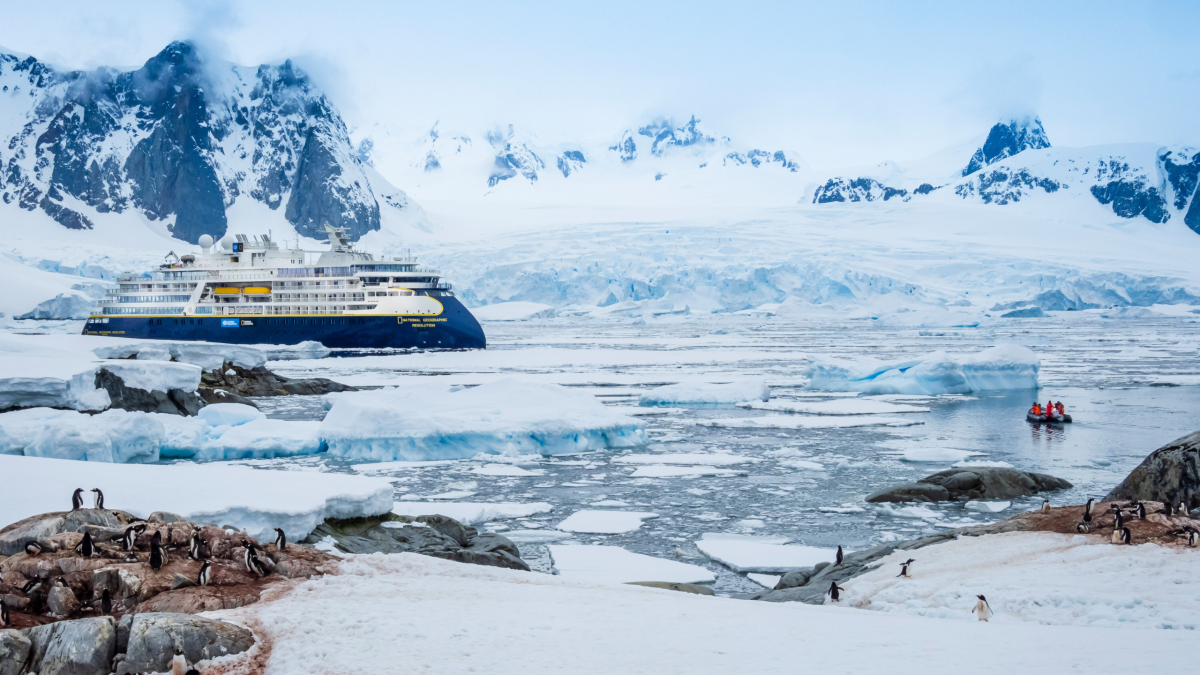
For those considering a journey to Antarctica, National Geographic–Lindblad Expeditions stands out as a premier choice. The loyalty of fellow travelers was immediately apparent, with numerous repeat passengers on board, including some embarking on their second or even tenth expedition with the company. One guest was so captivated that they immediately signed up for another leg of the journey.
Expert Guidance and Solo Travel
The expedition benefits greatly from the National Geographic–Lindblad visiting scientists and educators program, which brings researchers and teachers on board to conduct real fieldwork. During this voyage, a scientist was studying algae in Antarctic waters, while three educators, participating as Grosvenor Teacher Fellows, contributed to daily scientific and educational presentations.
An elite team of naturalists, divers, photographers, and videographers from National Geographic also enhances the experience. Underwater footage was shared daily by the onboard divers, and professional photographers offered workshops, gear advice, and even lent equipment. This allowed guests to often set their cameras aside and fully immerse themselves in the surroundings.
Notably, solo travel to Antarctica is on the rise, and the ship accommodates this trend well. Around 15 solo passengers were on board, with dedicated cabins and a social atmosphere fostered by shared dinner tables and crew members regularly joining meals. The presence of Lindblad Expeditions' CEO, Natalya Leahy, was an unexpected bonus.
The Ship and Journey
The vessel is engineered for polar exploration with an ice-breaker design featuring a distinctive X-Bow. This bullet-shaped bow minimizes wave impact, improves stability, and reduces disturbance to marine wildlife. Its azipod propulsion system offers remarkable maneuverability in Antarctica's challenging waters, and with a Polar Class 5 rating, the ship is built to handle extreme conditions. Advanced technology allows it to maintain position without traditional anchoring, which is nearly impossible in Antarctica. On this voyage, the ship was the southernmost in the region and even explored new landing areas.
Crossing the Drake Passage takes about two days each way, totaling four days of often choppy seas. While flying over the passage is an option for those extremely prone to seasickness, the crossing is considered a rite of passage. The journey included a Drake Passage rated six out of ten by a crew member.
Wildlife and Excursions
Shortly after arriving in Antarctica, a pod of orcas swam directly up to the ship, providing a spectacular welcome. Daily excursions, typically two per day, were shaped by weather and ice conditions and often included a zodiac cruise and a landing.
The first landing was at Neko Harbor, home to around 500 nesting gentoo penguins. It was endearing to watch the male penguins waddle slowly across the ice, carefully carrying rocks back to their nesting partners. Another day brought a rare encounter with an emperor penguin, which the naturalist noted had not been seen in the area in over 20 years. The penguin was curious, walking right up to the group and playfully sliding on its belly.
Guests were also able to step onto the Antarctic continent itself—a highlight not guaranteed on every voyage—and land on an island populated by hundreds of elephant seals.
Accommodations and Dining
The cabin was comfortable, featuring a balcony with chairs, a hammock, and a small table—a perfect spot for meditation and enjoying the scenery. Inside, the room included a full-sized bed, a coffee table, a writing desk, and a closet, feeling quite spacious for an expedition cruise. The heating system was easy to use and customize.
Dining was a major highlight, with all-inclusive meals and basic alcohol. Two main restaurants were available, along with a daily tea service. The primary dining room, Two Seven Zero, offered buffet-style breakfast with à la carte options, and seated, multi-course lunches and dinners. A appreciated detail was the option to order half portions, allowing guests to sample multiple entrées. There were also buffet-style dinners, including a Filipino buffet night in recognition of the onboard Filipino staff. Daily staples included chicken breast, striploin steak, ship-made pasta, and salads, with menus incorporating regional influences. Made-to-order pasta with various shapes and sauces was available at every meal, and fresh-baked bread selections were a daily anticipation.
The more casual Tupaia venue served breakfast and lunch with relaxed menus for quicker dining. The Chef’s Table experience was a special touch, with every guest receiving an invitation during the voyage. On the first night, solo travelers were seated together, fostering friendships for the journey ahead.
Onboard Experiences
Daily programming included expert-led lectures on wildlife, Antarctic history, and polar science, which were well attended by nature enthusiasts. The viral igloo experience on the top deck was magical, with access first-come, first-served and about ten reservation opportunities depending on weather. Although unheated, three hot water bottles kept guests warm, and its proximity to the sauna and hot tub allowed for quick warming afterward.
The polar plunge was a spontaneous and celebratory event, announced with just one hour’s notice on the second-to-last day in Antarctica. After signing a waiver, about half the ship participated, creating a memorable, adrenaline-filled moment.