
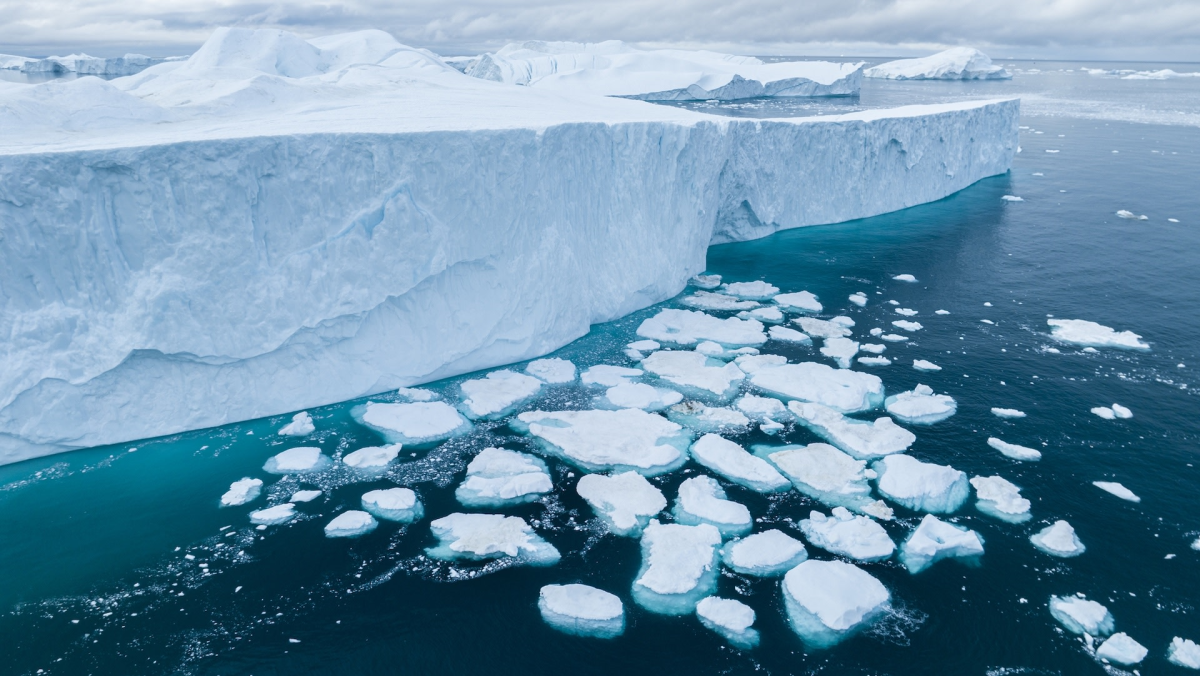
A recent scientific investigation has uncovered a concerning relationship between diminishing Arctic ice and a vital natural mechanism responsible for carbon sequestration, posing significant challenges for global climate mitigation efforts.
Key Findings
Research detailed in Nature Communications establishes a direct correlation between Arctic sea ice coverage and the efficiency of the biological pump, an essential oceanic process for atmospheric carbon removal.
The study indicates that reduced ice cover leads to a decline in plankton populations, which are fundamental to absorbing carbon dioxide and transporting it away from the atmosphere.
In scenarios where Arctic sea ice is minimal or absent, the biological pump's effectiveness drastically diminishes, resulting in substantially lower carbon dioxide extraction from the air.
Implications of a Diminished Pump
Experts from the Woods Hole Oceanographic Institute explain that the biological pump involves phytoplankton capturing carbon at the ocean's surface and transferring it to deep waters upon their death or consumption, effectively isolating it from the atmosphere.
This carbon can remain stored in the deep ocean for centuries or millennia, making the process a critical natural defense against escalating global temperatures.
The Arctic Ocean, despite representing less than 5% of the world's sea surface, is responsible for approximately 12% of oceanic carbon uptake. A reduction in this capacity would significantly hinder efforts to prevent severe climate impacts.
Protective Measures
Safeguarding the Arctic region primarily requires substantial reductions in carbon emissions.
While this may seem daunting, individual actions contribute collectively. Transitioning to electric vehicles, for instance, reduces reliance on fossil fuels.
Adopting sustainable habits, like minimizing single-use plastics and composting organic materials, also helps decrease the release of greenhouse gases into the atmosphere.