
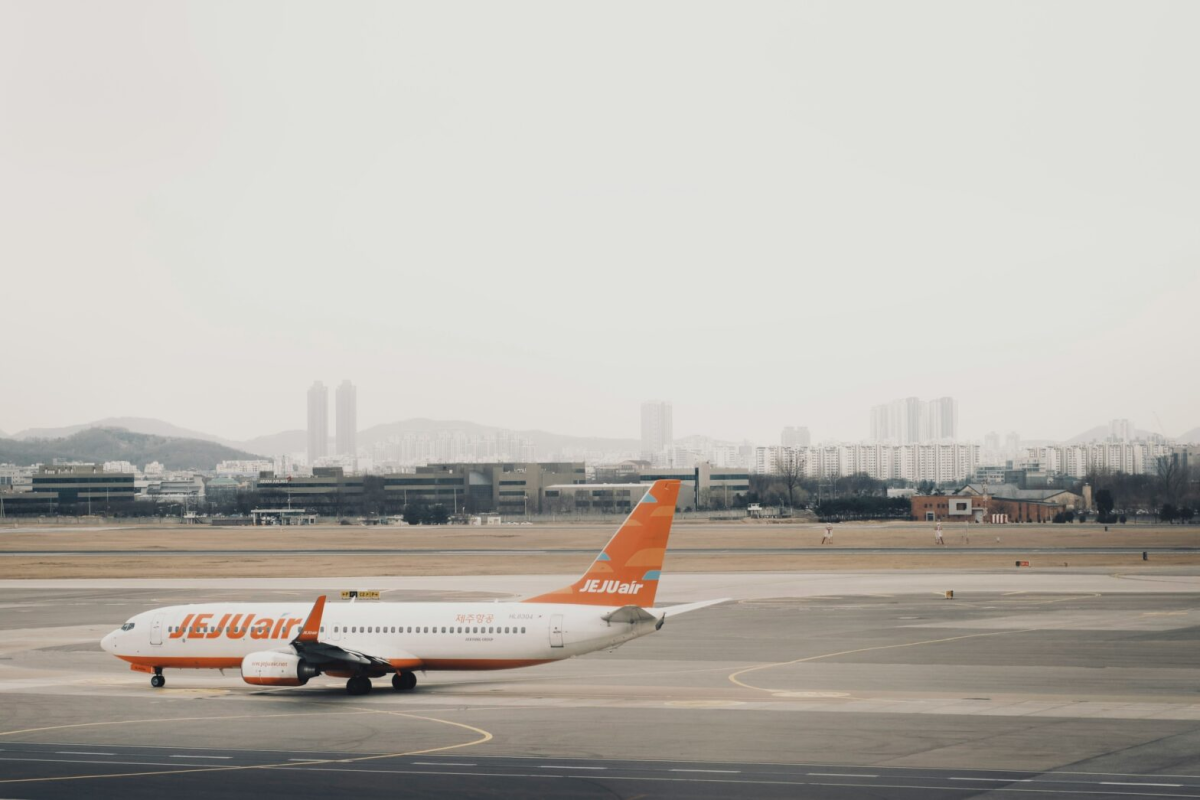
Recent analysis from global travel data firm OAG indicates a significant shift in global aviation traffic patterns. The company's latest report shows that routes within the Asia-Pacific region now constitute the overwhelming majority of the world's most heavily traveled air corridors for the upcoming year.
Leading Global Air Travel Corridors
The route connecting Jeju and Seoul Gimpo in South Korea has emerged as the busiest globally for 2025, with airlines planning to operate nearly 14.4 million seats. This figure translates to around 39,000 available seats daily across seven carriers. While this represents a slight 1% increase from 2024 levels, it remains notably below pre-pandemic capacity by approximately 17%, suggesting room for future expansion.
Regional Strength and Key Players
Japan demonstrates considerable domestic air travel demand, with two routes ranking second and third worldwide. The connection between Sapporo New Chitose and Tokyo Haneda is scheduled for 12.1 million seats, followed closely by the Fukuoka to Tokyo Haneda route with 11.5 million seats. These figures underscore Japan's extensive internal aviation network serving both business and leisure travelers.
Vietnam's Hanoi to Ho Chi Minh City route maintains a strong fourth position, recording a 4% year-over-year capacity increase. Meanwhile, China's domestic market shows growing vigor, with the Shanghai to Shenzhen route entering the top ten list following a 5% capacity boost.
Notable Growth Outside Asia-Pacific
The sole non-Asia-Pacific route to appear in the top ten rankings connects Jeddah and Riyadh in Saudi Arabia, securing the fifth position. This corridor has experienced the most substantial growth among leading routes, with seat capacity surging by 13% compared to 2024 to reach 9.8 million annual seats. This expansion aligns with Saudi Arabia's broader economic initiatives and growing tourism sector.
OAG's Chief Analyst John Grant commented on the findings, stating: "the importance and scale of these routes cannot be underestimated and highlights the strength of emergent markets around the world. For Asia Pacific to be home to nine out of the ten largest routes in the world, all of which are domestic, is a remarkable indication of how these routes have recovered in recent times and their significance to the airlines operating those sectors."
International Route Performance
While domestic routes dominate the highest rankings, several international corridors continue to show robust demand. The Hong Kong to Taipei route remains the world's busiest international connection for 2025 with 6.8 million scheduled seats. Other significant cross-border routes include Cairo to Jeddah with 5.8 million seats and Kuala Lumpur to Singapore Changi with 5.6 million seats planned for the year.