Congressional Efforts to Accelerate Energy Project Approvals
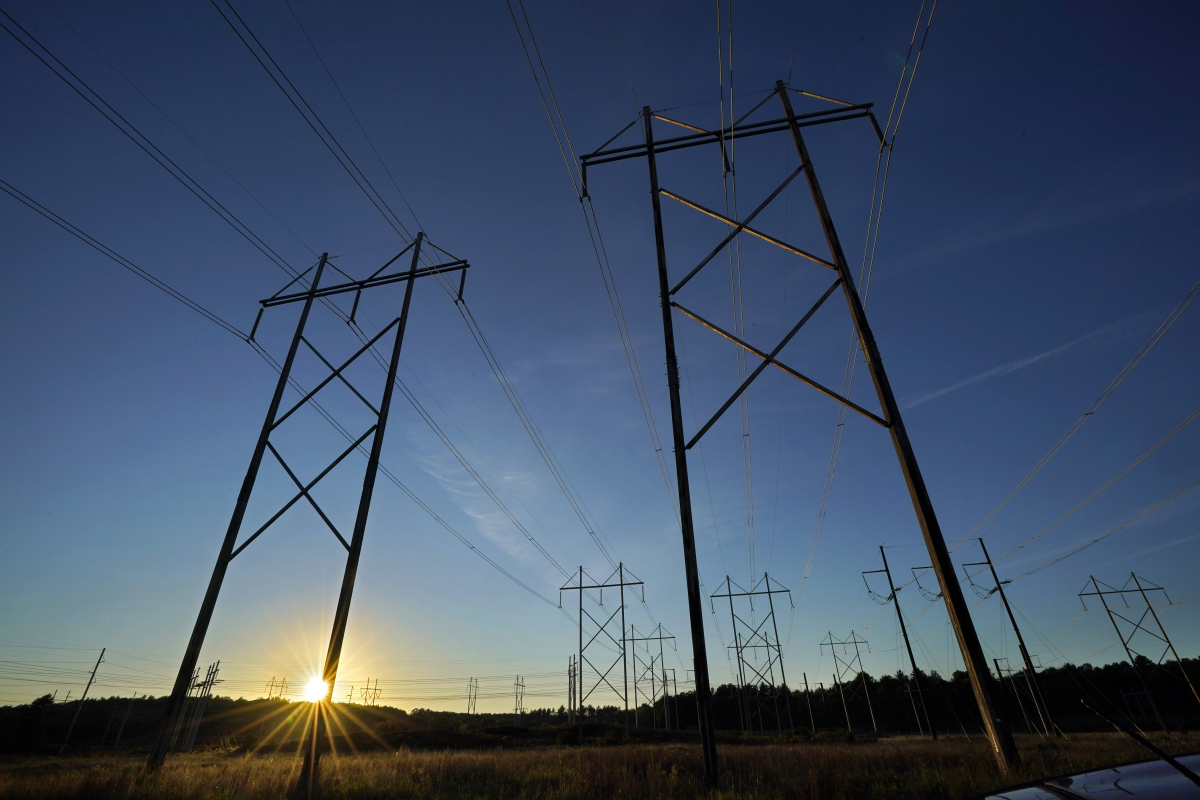
In Washington, a bipartisan initiative aims to simplify the federal permitting process for various energy developments, including solar farms, wind installations, and pipelines. This move comes as escalating electricity costs, partly driven by increasing demand from artificial intelligence data centers, have heightened the urgency for legislative action. Recent data indicates that consumer power prices have surged by 7.4% over the past year, with natural gas costs up 6.9%, outpacing overall inflation rates.
Political Challenges and Compromises
Despite broad support from lawmakers across the aisle, the Trump administration, and diverse lobbying groups, significant obstacles remain. President Donald Trump has not endorsed a bipartisan bill passed by the House, known as the SPEED Act, which seeks to overhaul permitting rules. The White House has generally backed efforts to streamline approvals but has limited its engagement to providing technical advice, with Trump dismissing affordability concerns as a "hoax."
Sen. Kevin Cramer (R-N.D.), a close ally of Trump, emphasized the need for administration leadership, stating, "If we do something big and bipartisan, it is pretty easy to argue that it is going to be good for affordability. There’s room for everybody to brag about it if we do it successfully. And if we don’t, it gets blamed on us. But it would require leadership from the administration. We can’t do it without them."
Proponents argue that boosting domestic energy production is essential to tackle the affordability crisis. However, House conservatives oppose protections for renewable energy, while Democrats fear Trump would use expanded powers to block solar and wind projects. Sen. Brian Schatz (D-Hawaii) noted, "The path to permitting has always required bipartisanship, and this was always going to be about the adults in the room. People need to let go of the idea that this bill is going to be an opportunity to either vanquish clean energy, or vanquish fossil energy."
Legislative Maneuvers and Industry Impact
To secure votes, GOP leaders made concessions to opponents of offshore wind, weakening parts of the SPEED Act intended to curb presidential authority to revoke permits. This change allowed the Trump administration to continue efforts to block previously approved offshore wind projects, prompting some clean energy groups to withdraw support. Rep. Andrew Garbarino (R-N.Y.) commented, "Everybody says permitting reform has to happen, and it should be technology neutral. And if it’s something that 300 members out of 435 want something done, it shouldn’t be up to four or five to derail that."
Energy Secretary Chris Wright expressed support for the SPEED Act, stating that the administration "wants to get bipartisan permitting reform done" and emphasized the need for balance in limiting executive branch interference. The bill includes measures to limit permitting reviews and restrict legal challenges under environmental laws, which Republicans argue have been misused to delay projects.
Future Prospects and Electoral Implications
As the issue moves to the Senate, achieving a compromise will require at least seven Democratic votes and universal Republican support. Key negotiators like Sen. Shelley Moore Capito (R-W.Va.) highlight the broad backing for reform, noting, "I don’t think I’ve seen the support for permitting reform come from so many different angles. You just can’t build fast enough. It’s hitting every aspect. It’s just a much larger support group."
Democrats, such as Rep. Jared Huffman (D-Calif.), are skeptical, arguing that serious reform cannot occur under GOP leadership due to opposition from hardliners and oil and gas interests. Meanwhile, Republicans recognize the electoral stakes, with Sen. John Curtis (R-Utah) stating, "This is the single biggest thing for affordability. If you get energy prices down, it’s a big deal."
The permitting debate is further complicated by state and local approvals and public opposition from landowners. Proposals vary, with Republicans focusing on easing environmental regulations and Democrats prioritizing interstate power lines for clean energy. Rep. Seth Magaziner (D-R.I.) advocated for a bipartisan approach, saying, "In order for permitting reform to happen, it has to be a bipartisan ‘all of the above’ approach. We need to put making life more affordable for Americans ahead of politics, and that’s going to require a culture change on both sides of the aisle."
Ultimately, any Senate deal would need to balance modifications to environmental laws with measures to facilitate transmission line development, reflecting the divergent priorities of both parties. As Capito summarized, "It’s going to be hard. So it won’t be as big [of a deal] as we would want, but I still think we’ll get there."