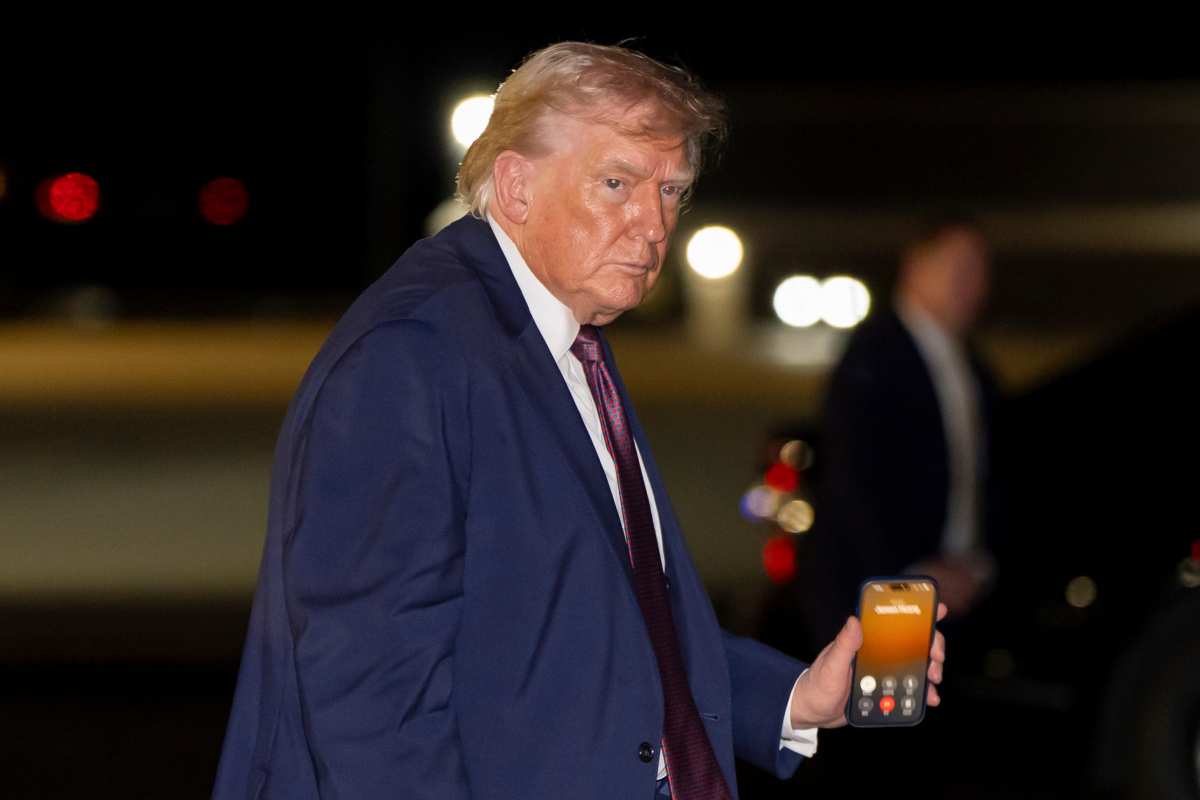
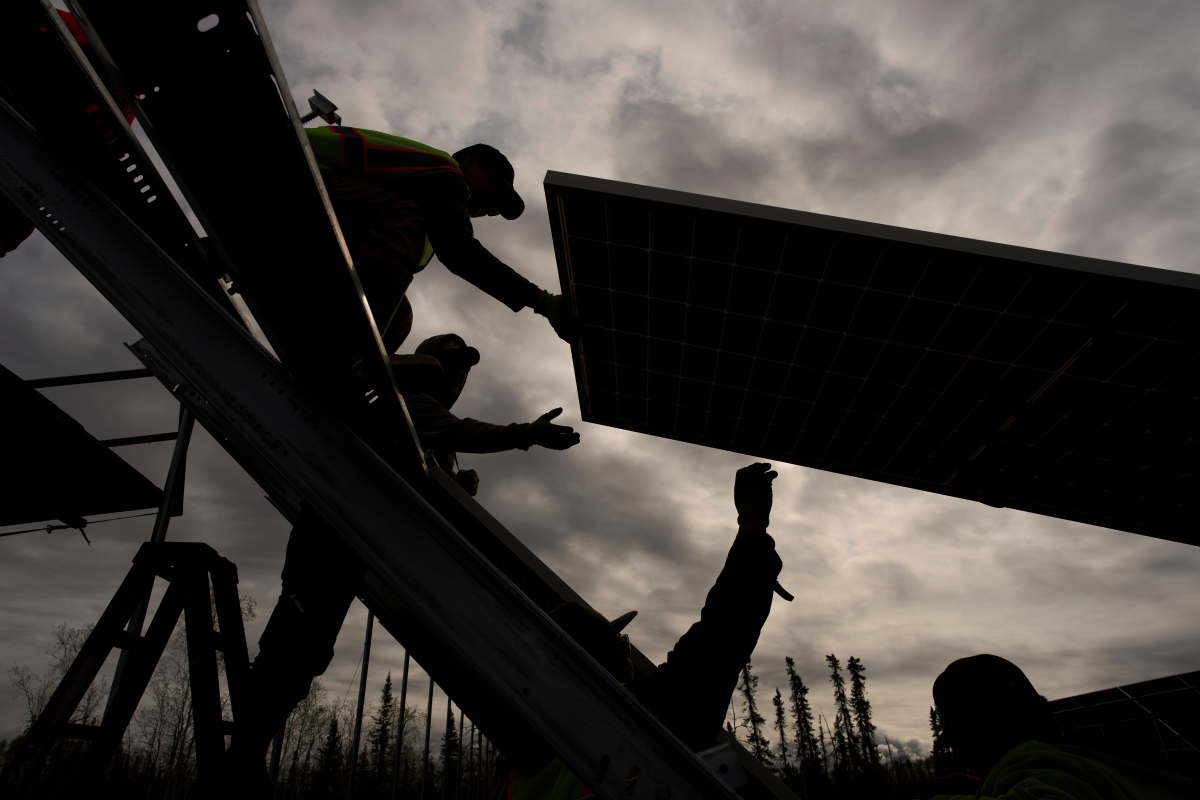
According to numerous energy developers, experts, and political figures, the clean energy sector navigated a year of significant highs and lows in 2025. President Donald Trump's administration pursued policies favoring polluting fuels while imposing restrictions on wind and solar power.
A Year of Policy Reversal
Many surveyed by The Associated Press characterized 2025 as a turbulent period for renewable energy, despite progress in connecting projects to the electrical grid. They emphasized that continued expansion is crucial to meet the surging electricity demand from data centers and to reduce utility costs for consumers.
Solar developer Jorge Vargas described it as “a very tough year for clean energy,” noting Trump's frequent criticism of renewables and a Republican-led tax bill in July that significantly reduced clean energy incentives. “There was a cooldown effect this year,” said Vargas, cofounder and CEO of Aspen Power. “Having said that, we are a resilient industry.”
Plug Power president Jose Luis Crespo stated that these developments—both policy adjustments and technological advances—will influence the sector's direction for the foreseeable future.
Economic and Supply Chain Impacts
The year's trajectory was heavily influenced by the departure of clean energy advocate Joe Biden from the White House. Tom Harper of Baringa noted that 2025 started with strong federal subsidies, a robust domestic supply chain, and high demand from states and corporations. However, it concluded with reduced subsidies, a weakened supply chain, increased costs from tariffs, and some customers reconsidering their clean energy commitments. Harper called the year “paradigm shifting.”
Trump labeled wind and solar power “the scam of the century” and halted new project approvals, leading to the cancellation of numerous federal grants. The Republican tax legislation reversed or sharply cut programs established by the Democrats' 2022 climate and health bill. Wayne Winegarden of the Pacific Research Institute argued it is time for alternative energy to prove its viability without subsidies, noting that fossil fuels also receive government support.
This policy shift was deemed highly consequential by many executives. Lennart Hinrichs of TWAICE explained that the bill altered project economics, spurred a rush to start construction before incentives lapsed, and forced developers to rethink supply chain strategies. American Clean Power Association CEO Jason Grumet added that such policy uncertainty hinders billion-dollar investments.
Brian Murray of Duke University's Nicholas Institute warned that U.S. greenhouse gas emissions would now decline at a slower rate than previously projected.
Resilient Sectors: Solar, Storage, Nuclear, and Geothermal
Despite challenges, solar and battery storage thrived. Wood Mackenzie research indicated these technologies accounted for 85% of new grid power in the first nine months of the Trump administration. Mike Hall of Anza Renewables attributed this to strong economics, high demand, and rapid deployment capabilities.
Sol Systems reported a record year, launching its largest utility-scale project. CMBlu Energy highlighted storage's transition from optional to essential. Democratic Senator Sheldon Whitehouse remarked, “Trump’s effort to manipulate government regulation to harm clean energy just isn’t enough to offset the natural advantages that clean energy has. The direction is still all good.” The Solar Energy Industries Association asserted that solar and storage will remain foundational to the nation's energy future regardless of Washington policies.
Nuclear and geothermal energy also had a positive year. Bipartisan support emerged for keeping reactors online, restarting closed facilities like Three Mile Island—a site of a 1979 accident now receiving a $1 billion DOE loan—and deploying advanced designs. Darrin Kayser of Edelman noted widespread approval, especially with small modular reactor technology advancing. Benton Arnett of the Nuclear Energy Institute said current actions lay the groundwork for future clean, reliable power.
Geothermal energy benefited from preserved tax credits and maturing technologies, with the Geothermal Rising association calling 2025 a breakthrough year.
Offshore Wind's Setback
In contrast, offshore wind faced severe difficulties. Joey Lange of Trio described a grinding halt to U.S. momentum just as the industry was gaining traction. The administration stopped major projects, revoked permits, paused permitting, canceled federal water leases, and cut funding. Eric Fischgrund of FischTank PR said this devastated projects and innovators, with no capital being raised or spent in the sector, though he remained optimistic about the global clean energy transition.
Outlook for 2026
Former Senator Mary Landrieu, now with Natural Allies for a Clean Energy Future, advocated for a diverse energy mix to meet growing demand affordably and reliably, warning against ideologically driven technology promotion or punishment.
Experts anticipate continued solar and storage growth in 2026 due to their speed and cost-effectiveness. Amanda Levin of the Natural Resources Defense Council expects renewables to dominate new electricity additions. Hillary Bright of Turn Forward believes offshore wind will still play a vital role as electricity demand becomes apparent “to all audiences,” noting that soaring demand is altering the political calculus behind early renewable policy decisions.
BlueWave CEO Sean Finnerty predicts states will drive clean energy momentum in 2026 by streamlining permitting, grid connections, and reducing costs. Ed Gunn of Lunar Energy reflected on the industry's resilience, stating, “The fundamentals are unchanged, there is massive value in clean energy.”