While Italy is known for its cultural riches, many of its most captivating experiences require no admission fee. Across the country, cities open their greatest treasures to all, blending daily life with centuries of history in freely accessible spaces.
Rome: Layers of History
The Eternal City reveals its past through streets and squares that welcome everyone. Visitors can admire the Pantheon's exterior, wander through the Roman Forum area, and explore neighborhoods like Trastevere without spending money. Public churches display breathtaking art, while sunset views from spots along the Tiber River create memorable moments.
Florence: An Open Gallery
Florence's beauty unfolds through its streets and bridges. The Duomo's intricate marble façade can be admired freely, and crossing Ponte Vecchio offers glimpses into centuries of history. Public viewpoints like Piazzale Michelangelo provide panoramic cityscapes, and churches welcome visitors with remarkable artwork.
Venice: Magic in Movement
Venice's true essence emerges through wandering its canals and bridges. Crossing the Grand Canal reveals palace reflections on water, while neighborhoods away from main routes offer authentic daily life. Public squares like St. Mark's Square provide grandeur without charge, and watching gondolas glide through canals is an experience in itself.
Naples: Urban Intensity
Naples presents a layered urban experience where history and daily life collide in free public spaces. The historic center reveals centuries-old churches and streets, while Mount Vesuvius looms dramatically in the background. Waterfront promenades offer Bay of Naples views, and street life becomes cultural immersion.
Bologna: Covered Walkways
Bologna's extensive porticoes create distinctive urban landscapes freely accessible in any weather. Walking beneath these arches reveals light and shadow patterns, while historic squares anchor social life. The city's university culture shapes vibrant street scenes, and surrounding hills provide free viewpoints.
Verona: Compact Richness
Verona's compact center reveals Roman, medieval, and Renaissance architecture through simple wandering. The ancient Arena's exterior dominates the cityscape, while bridges over the Adige River offer changing views. Public squares filled with cafés and fountains require no tickets, and riverfront paths invite exploration.
Siena: Medieval Cohesion
Siena's medieval layout creates an immersive historic environment. Piazza del Campo serves as the city's social heart entirely free of charge. Surrounding streets rise organically, revealing stone buildings shaped by time. Public viewpoints offer Tuscan countryside vistas, and daily life revolves naturally around public spaces.
Palermo: Cultural Layers
Palermo displays architectural styles shaped by centuries of exchange, all visible in open public spaces. Historic streets reveal Arab, Norman, and Baroque influences side by side. Open-air markets burst with energy, while waterfront promenades provide sea views. The city feels textured and authentic through openness.
Lecce: Baroque Theater
Lecce's historic center functions as an open-air Baroque museum, with ornate façades lining accessible streets. Warm stone glows under southern sunlight, creating theatrical visual quality. Churches showcase intricate craftsmanship freely, and quiet side streets reveal traditional workshops. Public spaces serve as natural gathering spots.
Perugia: Elevated Perspectives
Perugia rises above the Umbrian countryside, offering dramatic views woven into its layout. Medieval streets create visual transitions throughout the historic center. Public escalators connect ancient and modern areas, while main squares remain open gathering spaces. Panoramic views appear unexpectedly at hilltop edges.
Lucca: Walled Serenity
Lucca's intact Renaissance walls encircle the historic center as a public park accessible to all. Walking or cycling atop the walls offers continuous rooftop and hill views. Tree-lined paths create peaceful contrast, while inside the walls, churches and piazzas welcome visitors. The city emphasizes harmony over spectacle.
Matera: Sculpted Landscape
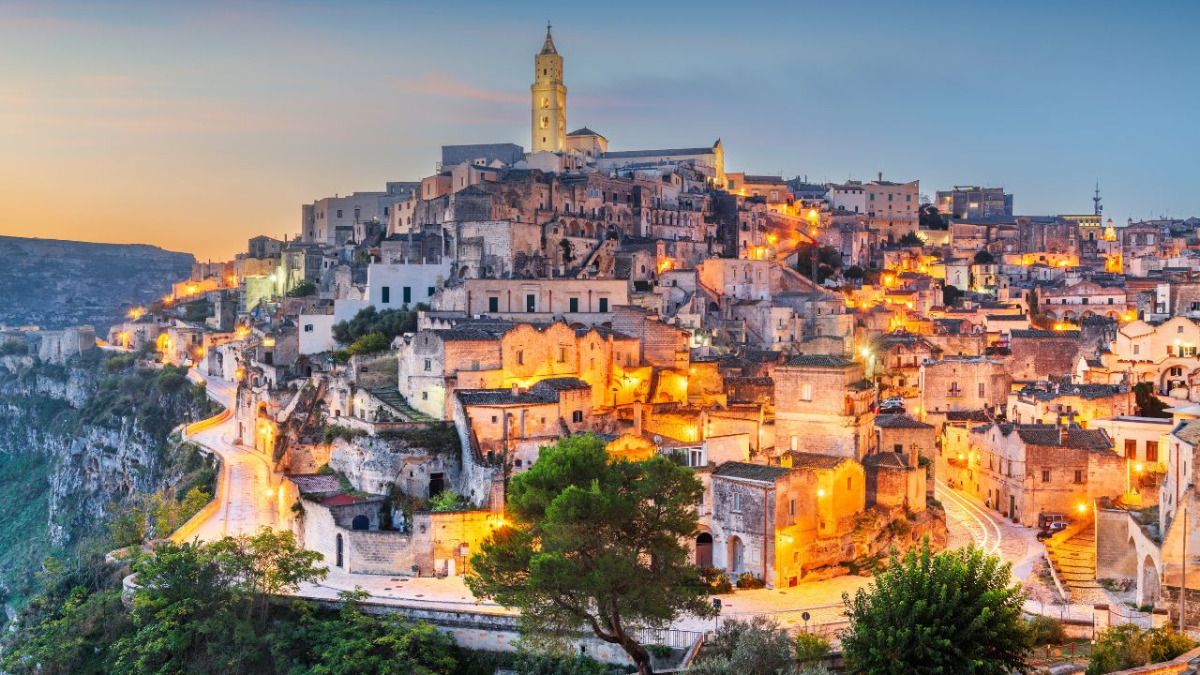
Matera's ancient cave dwellings form extraordinary urban landscapes freely explorable. Stone homes and churches carved directly into rock blend architecture with terrain. Public viewpoints across the ravine provide dramatic panoramas, and streets invite exploration rather than direction. Light transforms stone surfaces throughout the day.
Trieste: Cosmopolitan Elegance
Trieste combines Italian warmth with Central European refinement in accessible public spaces. Grand squares open onto the Adriatic Sea, offering expansive views. Historic cafés and broad streets invite lingering, while waterfront walks provide uninterrupted sea vistas. The city feels sophisticated yet welcoming.