
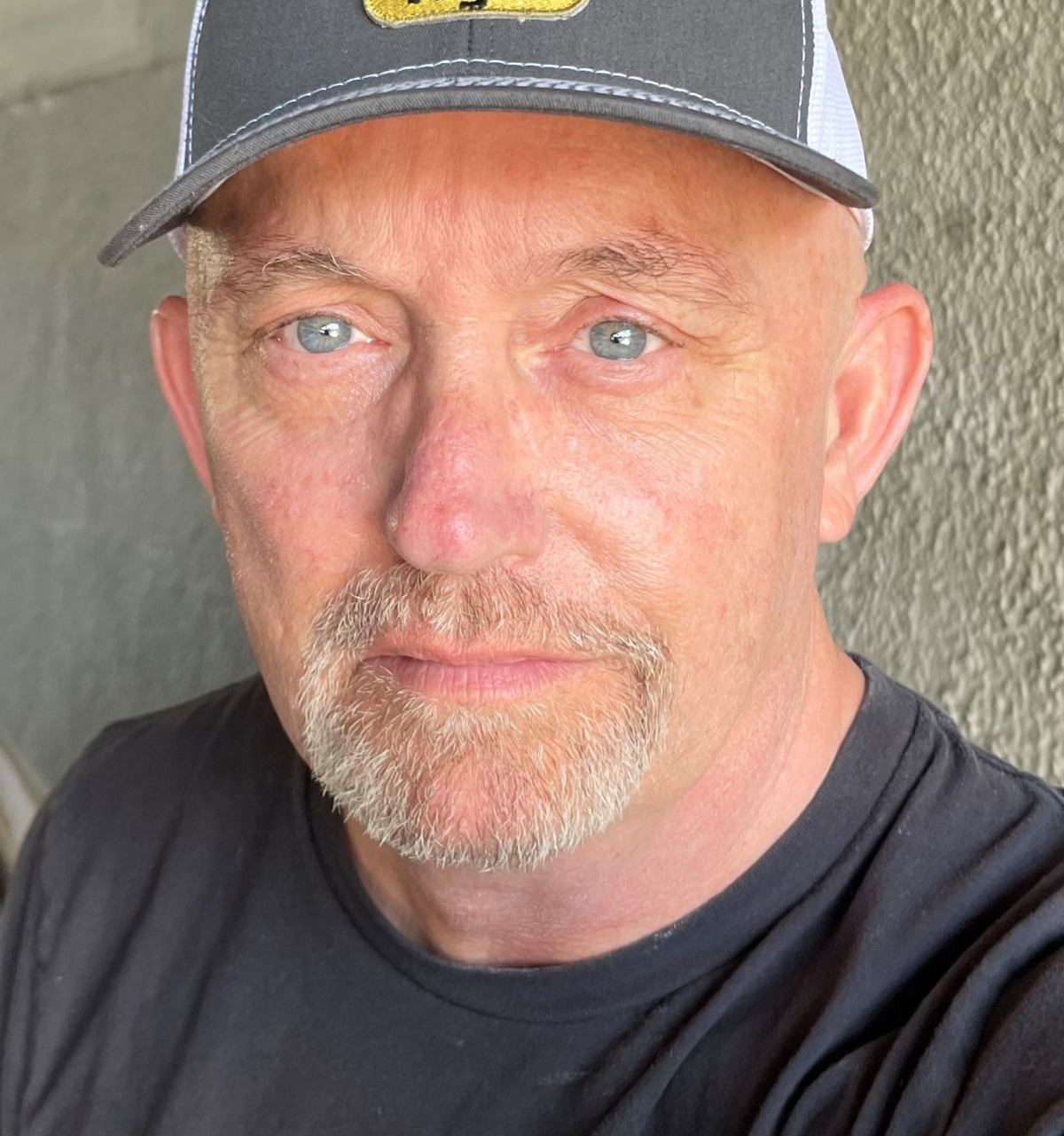
For Don Anderson, September 19, 2021, marked a pivotal moment that altered his understanding of family forever.
The California-based podcast host, now 60, grew up in a complex household with divorced parents and multiple step- and half-siblings. As an adult, he learned his older sister wasn't biologically related to their father. To assist her in finding her birth father, Anderson used 23andMe, but his own results brought shocking clarity.
"I wasn't Norwegian at all, which I should have been," Anderson recalls. "And I looked at the relatives, and I had two half sisters I'd never heard of." This revelation made him realize he wasn't his dad's child either, leaving him feeling as though "my feet were no longer touching the ground, and not because I was floating, because the ground was no longer there."
Millions Uncover Hidden Family Ties
Each year, tens of millions turn to DNA kits like AncestryDNA and 23andMe, often received as gifts, to uncover missing pieces of their personal histories. A 2022 study in the American Journal of Human Genetics surveyed 23,000 DNA service users, finding that 3% discovered a parent wasn't their biological parent, while 5% located full or half-siblings. While some reunite joyfully with long-lost relatives, others face more challenging outcomes.
Experts advise caution with these services, noting that biological relatives may not always provide the desired responses.
Making Sense of a Changed Past
Anderson's discovery reshaped his view of his upbringing. "When I found out my dad wasn’t my dad, it made my whole childhood make sense for the first time. 'I' made sense," he explains.
He felt heartbreak over losing his assumed Norwegian heritage, yet also a sense of resolution: "I always felt like I didn't belong to the family I grew up with." Since then, he has built connections with his newfound half-sisters, who embraced him into their lives.
Anderson acknowledges that not everyone is eager for such tests. He purchased DNA kits for his wife and children last year, but they remain unused. The fear of potential rejection via text or call is real. "There's no way I wouldn't want to know," he states. "I would do it over again a million times. Some people are like that. Some people want the truth, and some people don't." He now explores these topics on his podcast focusing on non-paternity events (NPEs).
Guidance from a Genetic Genealogist
Aimee Rose-Haynes, a genetic genealogist from Louisville, Kentucky, developed her expertise about a decade ago while investigating her daughter's health conditions, later diagnosed as Ehlers-Danlos Syndrome and Mast Cell Activation Syndrome. The 44-year-old has since resolved hundreds of genetic genealogy cases.
She recommends patience when contacting new relatives. "When someone learns that a parent is not who they believed, the first instinct is often to message every DNA match with statements like 'I was adopted' or 'I do not know who my father is, can you help?' I always encourage them to pause and take a breath first," Rose-Haynes advises. "A better approach is to reach out with a simple, neutral message such as, 'I do not know much about my family tree, and I am working on learning more about my family history. Could you share the names of your grandparents and great grandparents so I can see how we connect?'"
Preparing for Surprises
Even if you're confident about your parentage, it's wise to consider carefully before submitting DNA. For health-related concerns, alternatives like genetic testing for cancers are available.
"You absolutely have to be prepared for the unexpected," Rose-Haynes emphasizes. "Nobody believes that somebody who raised them may not be their parent or parents, but you have to be open to that surprise and be prepared for that surprise."