On Friday, Ukrainian President Volodymyr Zelensky celebrated the European Union's decision to provide substantial financial support to his nation, calling it a significant achievement. This announcement came despite European allies not reaching a consensus on utilizing frozen Russian assets to assist Kyiv.
Financial Support and Its Implications
Following extensive discussions, EU leaders convened in Brussels and agreed to extend a €90 billion interest-free loan to Ukraine. This funding, raised through joint EU debt, aims to address Ukraine's pressing economic and military needs. Zelensky emphasized that this move sends a clear message to Russia about the futility of continuing the conflict.
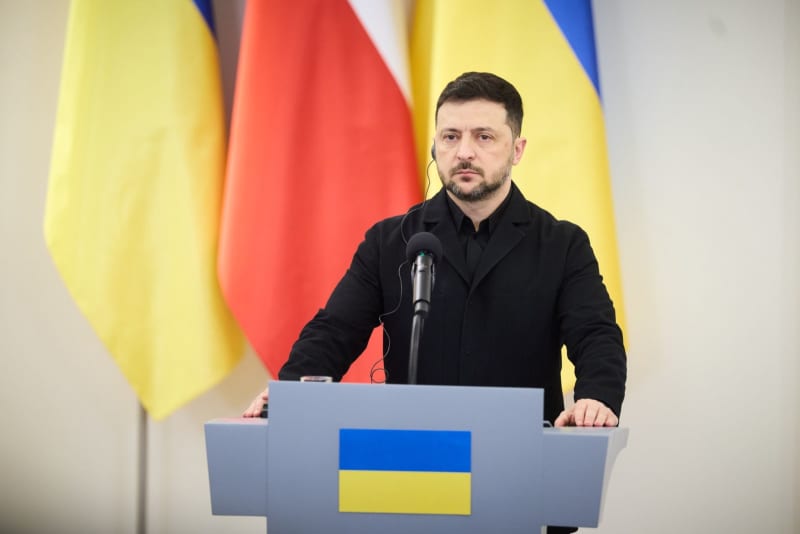
During a meeting with Polish President Karol Nawrocki in Warsaw, Zelensky highlighted the positive impact of the aid, noting it would help prevent a potential budget shortfall of up to €50 billion next year and sustain military production. German Chancellor Friedrich Merz indicated that the funds should cover Ukraine's requirements for the next two years.
Controversy Over Frozen Assets
The agreement notably excludes direct use of frozen Russian assets, a point of contention among EU members. Countries like Belgium, where most of these assets are held, expressed concerns over legal ramifications and potential retaliation from Moscow against European entities.
Russian President Vladimir Putin strongly criticized the EU's actions, labeling them as theft during his annual press conference. He asserted that Russia would pursue legal avenues to reclaim its frozen funds, stating, "Whatever they steal, at some point it must be returned." Putin also focused on military developments, forecasting further successes for Russian forces by year's end.
International Reactions and Criticism
UK Finance Minister Rachel Reeves welcomed the deal, reaffirming the UK's steadfast support for Ukraine. Meanwhile, former German diplomat Wolfgang Ischinger, who previously led the Munich Security Conference, voiced skepticism. He argued that bypassing frozen Russian assets undermines the EU's credibility and its role as a respected global actor, describing it as coming at a "considerable price" to the union's determination and effectiveness.