Court Decision on Immigration Policy
On Tuesday, a federal judge in Albany permitted New York's Green Light Law to proceed, dismissing the Trump administration's attempt to halt the state from issuing driver's licenses to individuals without requiring proof of legal residency.
U.S. District Judge Anne M. Nardacci determined that the Republican administration, which contested the law as part of President Donald Trump's efforts against illegal immigration, did not provide sufficient evidence to back its assertions that the state law oversteps federal authority or improperly regulates or discriminates against the federal government.
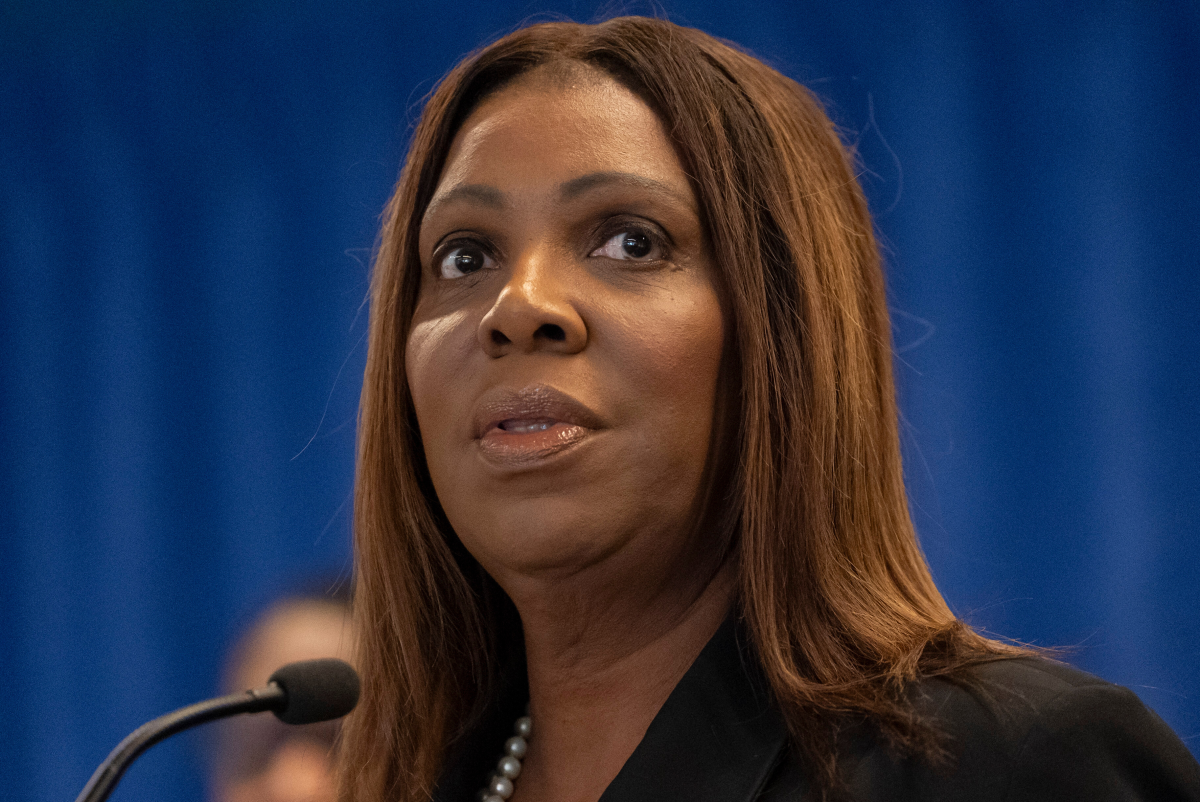
The Justice Department had filed a lawsuit against New York in February, naming Governor Kathy Hochul and Attorney General Letitia James as defendants. During the announcement of the lawsuit, U.S. Attorney General Pam Bondi criticized the Democratic officials, claiming they were putting "illegal aliens over American citizens."
In a statement released on Friday, James responded, "As I said from the start, our laws protect the rights of all New Yorkers and keep our communities safe. I will always stand up for New Yorkers and the rule of law."
Judge Nardacci, appointed by Democratic President Joe Biden, clarified in a 23-page opinion that her role was not to judge the policy merits of the Green Light Law but to evaluate whether the Trump administration's arguments demonstrated a violation of the U.S. Constitution's Supremacy Clause, which prioritizes federal laws over state laws. She concluded that the administration had "failed to state such a claim."
The Green Light Law aims to enhance road safety by allowing more drivers to obtain licenses legally, reducing instances of unlicensed driving and facilitating access to auto insurance, thereby decreasing accidents involving uninsured motorists.
Under this legislation, individuals without a valid Social Security number can present alternative identification, such as valid passports or foreign driver's licenses. Applicants must still acquire a permit and pass a road test to receive a "standard driver's license," with commercial licenses excluded from the law.
The Justice Department's lawsuit aimed to invalidate the law, labeling it "a frontal assault on the federal immigration laws, and the federal authorities that administer them." It focused on a provision requiring the state's Department of Motor Vehicles commissioner to notify individuals in the country illegally when federal immigration agencies request their information.
In 2020, during Trump's first term, his administration attempted to coerce New York into amending the law by blocking state residents from enrolling in trusted traveler programs, leading to longer airport security waits.
Then-Governor Andrew Cuomo proposed limited federal access to driving records but refused to allow immigration agents to view lists of applicants for special licenses for immigrants lacking proof of legal residency. After a short legal dispute, the administration reinstated New Yorkers' access to the trusted traveler program.
In the lawsuit dismissed on Tuesday, the administration contended that unrestricted access to New York's driver information would aid federal immigration enforcement. Judge Nardacci, referencing a prior ruling by the 2nd U.S. Circuit Court of Appeals, noted that such information "remains available to federal immigration authorities" through proper legal channels like court orders or warrants.