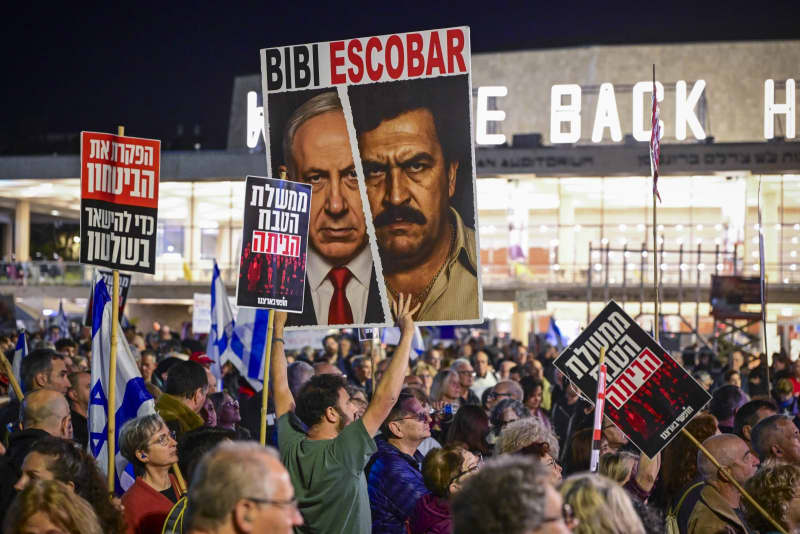
On Monday, the Israeli government is scheduled to address two highly contentious issues. The Ministerial Committee for Legislation will consider a proposed bill to create an investigative committee regarding the events of October 7. Simultaneously, the cabinet is set to vote on a plan to shut down the military-operated Army Radio.
Proposed Inquiry Committee Structure
The bill, introduced by Likud MK Ariel Kallner, aims to form a committee to examine the October 7 attack. Unlike a standard state commission, this body would be established directly by the Knesset and the government, bypassing the typical appointment by the Supreme Court president.
The draft legislation specifies a committee of six members appointed by the Knesset, with equal representation from the coalition and opposition. Additionally, four representatives from bereaved families would participate to oversee the committee's activities.
A dispute resolution mechanism is included. If consensus on members or a chairperson cannot be reached within a designated timeframe, each political bloc may appoint its own representatives. The proposal also permits the appointment of two co-chairs if a single chair cannot be agreed upon.
Proponents argue this structure ensures balance and public trust without judicial involvement. Critics, however, warn that bypassing an independent state commission risks creating a politically influenced body, potentially compromising the investigation's credibility and public acceptance. They advocate for a fully independent inquiry instead.
Army Radio Closure Proposal
In a separate matter, the cabinet will vote on closing Army Radio. Defense Minister Israel Katz is leading this initiative, which proposes a phased closure. The first step involves appointing a professional team to plan the process, evaluate impacts on employees, and explore options for continuing the station's music channel, Galgalatz, under a different framework.
Supporters of the closure contend that a military outlet should not broadcast news and political content to the public, suggesting the move would reinforce the IDF's apolitical role. Opponents express concerns about threats to press freedom and democratic discourse, highlighting the station's long history of editorial independence. They also note that proceeding without comprehensive legislation could lead to legal challenges and petitions to the High Court of Justice.
These two proposals highlight a politically charged week, balancing public calls for accountability regarding October 7 against potential changes to Israel's media environment and executive power dynamics.