The New Normal of Constant Vigilance
As I sit in my home today, a subtle sense of unease persists despite the recent quiet. My personal items are no longer kept within immediate reach, yet part of me remains alert for the sound that defined years of life here.
The conflict that began with a massive assault on October 7, 2023, transformed daily existence across the nation. Thousands of projectiles were launched by multiple groups including Hamas, Hezbollah, and Iranian forces, with particularly intense barrages occurring at various points through 2024 and 2025.
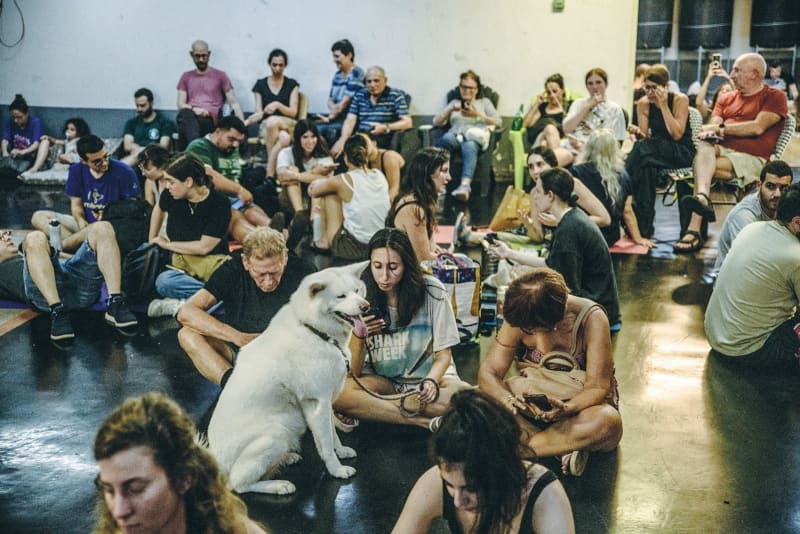
For residents, this meant adapting to unpredictable alerts at any hour. The routine involved grabbing essentials and rushing to protected spaces, whether in homes, buildings, or public shelters. This reality affected everyone, from families with young children to elderly individuals struggling to reach safety in time.
Personal Encounters with Danger
I recall one afternoon when sirens sounded while I was in an unfamiliar area. The search for shelter became frantic as explosions echoed nearby. The experience left physical and psychological marks that influenced how I navigate the city even now.
Different enemy groups brought distinct patterns of attack. While Hamas focused on southern regions, Hezbollah targeted northern areas until late 2024. Iranian involvement introduced new scales of bombardment, particularly in 2025. The Houthis from Yemen added another dimension, with their attacks sometimes treated with dark humor by residents who had grown accustomed to the rhythm of threats.
Comedian Eylon Levy captured this surreal reality in a video where Tel Aviv residents speculated about which group was bombing them during shelter stays. One neighbor remarked about distinguishing between threats: "If it's the Iranians, I go to the stairs. If it's the Houthis, I don't bother."
Psychological Toll and Adaptation
The constant threat reshaped decision-making in subtle ways. People considered timing of activities based on attack patterns, thought about appropriate shelter clothing, and developed coping mechanisms. Families adjusted children's bedtimes to avoid traumatic awakenings during night alerts.
My own family experienced particular challenges. Following intense attacks in 2025, my son required repeated reassurance about safety from loud noises. His anxiety manifested in nighttime disturbances that have only gradually diminished.
Despite these pressures, daily life continued remarkably. Appointments were kept, deadlines met, and routines maintained, though cultural events sometimes faced cancellation or postponement.
Comparative Perspectives and Unanswered Questions
The experience prompted reflection on those living for decades under similar threats in southern Israel, who had far less warning time than residents of central cities. It also raised questions about conditions in Gaza, where extensive tunnel networks existed but were reportedly inaccessible to most civilians during hostilities.
As the immediate threat has receded, deeper concerns persist. The fundamental security failures that enabled the initial attack remain largely unaddressed. Government reluctance to establish independent investigation raises questions about systemic improvements and future preparedness.
This echoes observations from my university professor who noted the Soviet tendency to ask "Who is guilty?" rather than "How do we fix this?" The current approach risks repeating past mistakes.
The Fragile Return to Routine
Surface normalcy has returned in many ways. Television programming includes entertainment shows and commercial advertisements. Daily activities no longer require constant strategic planning around potential attacks.
Yet underlying anxiety remains. The memory of early war days—with television broadcasts showing climbing casualty counts and providing emergency medical instructions—has left lasting impressions. Trust in protective institutions has been fundamentally shaken for many who witnessed response failures.
Shelters in buildings have transformed from cluttered storage spaces to organized community areas with supplies and children's artwork. During one of the final alerts, a child working on drawings in our building's shelter asked others, "Remember when we used to be in here all day?"
The question captures the paradox of this moment: life appears normal, but the psychological imprint of those years remains. While keys and shoes can be left in another room, part of consciousness still listens for alerts that haven't sounded in months. The veneer of normalcy covers deeper changes that may never fully revert to what existed before the conflict began.