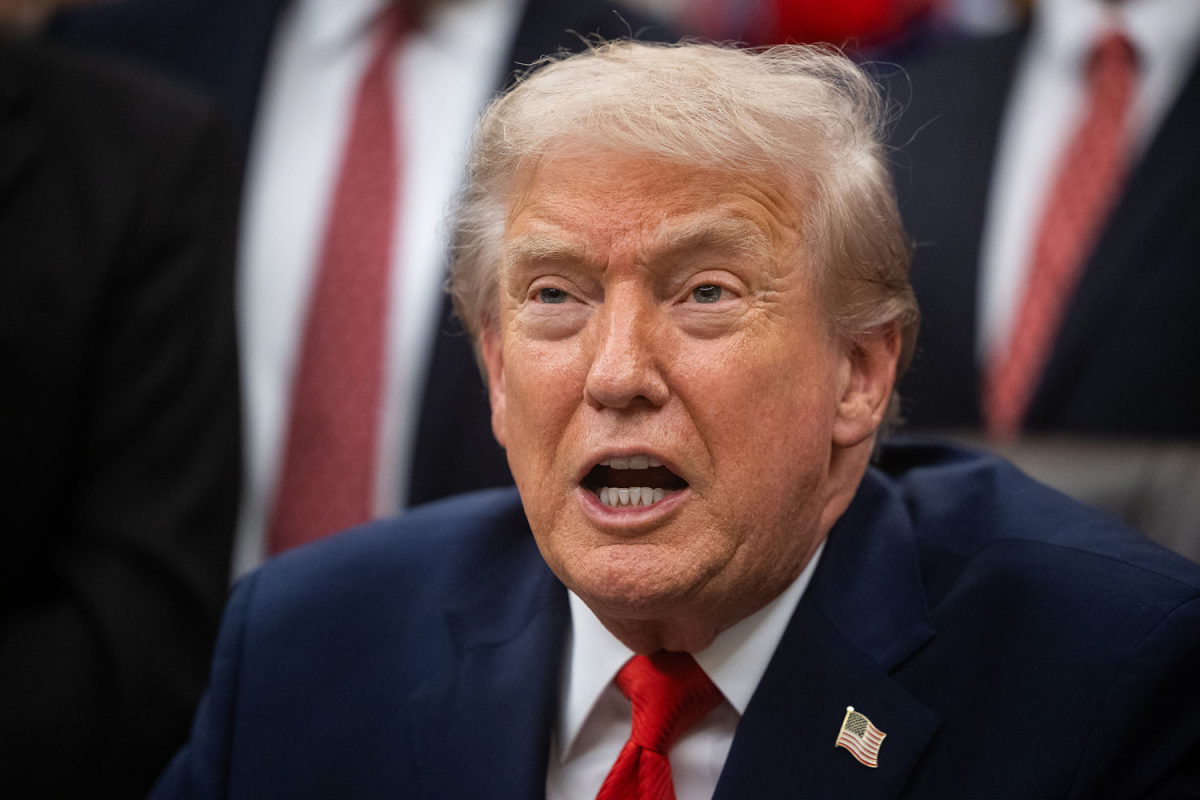
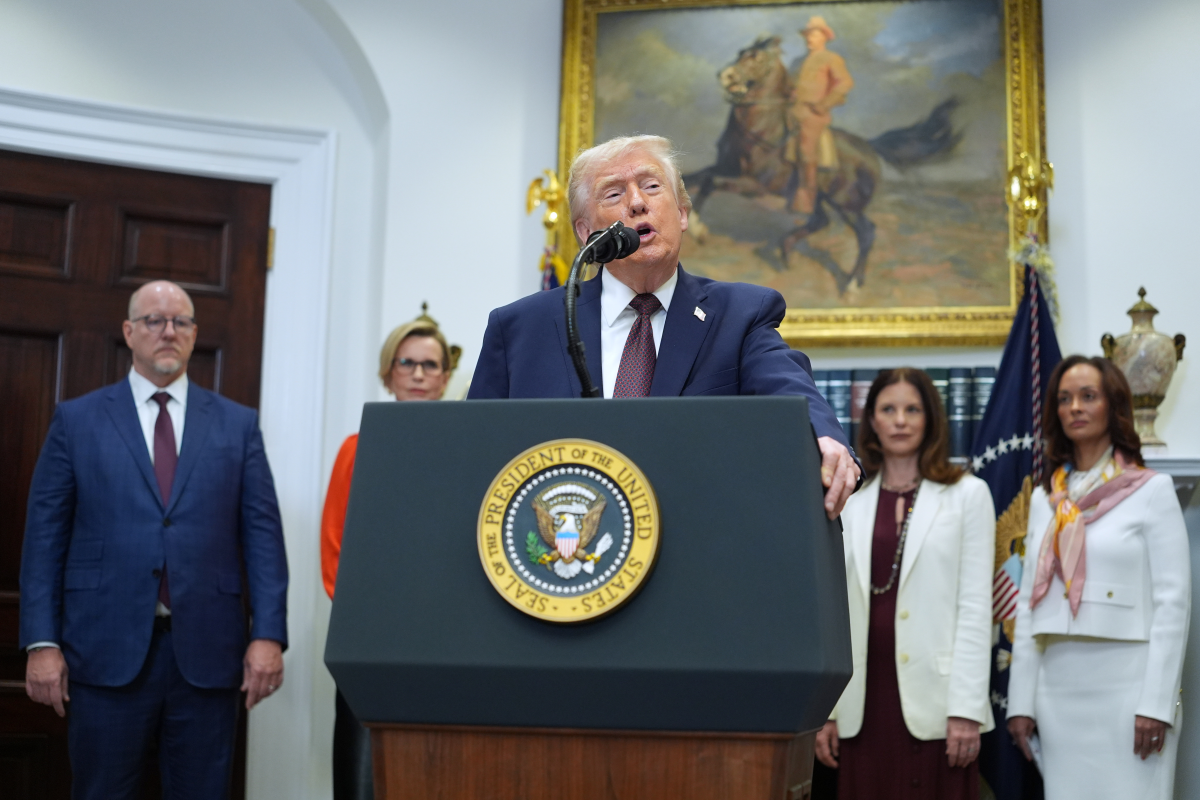
On Friday, U.S. President Donald Trump revealed that nine leading pharmaceutical firms have consented to decrease prescription medication costs within the United States.
The participating companies—Amgen, Bristol Myers Squibb, Boehringer Ingelheim, Genentech, Gilead Sciences, GSK, Merck, Novartis, and Sanofi—will adjust Medicaid drug pricing to align with charges in other advanced economies.
Under this arrangement, newly introduced drugs from these manufacturers will adopt "most-favored-nation" pricing nationwide, applicable to all markets including commercial, cash pay, Medicare, and Medicaid.
U.S. medication expenses for patients vary based on factors like treatment competition and insurance plans. Most individuals are covered through employer plans, private insurance, or government programs such as Medicaid and Medicare, which absorb substantial portions of costs.
Medicaid recipients, who are low-income individuals supported by state and federal funding, currently make minimal co-payments for prescriptions. Reduced prices could alleviate financial pressures on state budgets that administer these programs.
Price reductions will also assist uninsured patients who lack bargaining power for better rates. However, even with discounts up to 50% via government platforms, some prescriptions may still cost hundreds monthly.
William Padula, a pharmaceutical and health economics professor at USC, noted that Medicaid already enjoys favorable drug rates, sometimes nearing "most-favored-nation" levels. He remarked, "It can’t be bad. I don’t see much downside but it’s hard to judge what the upside is."
Padula added that while Trump’s success in engaging major drugmakers is notable, evaluating the initiative’s effectiveness in improving medication access will require years. "It’s good for their stock and it’s good for their future" research and development, he said of the companies. "It’s clearly influential but will all this add up to a major effect? Nothing really matters here unless our health gets better as a country."
Administration officials stated that these drugmakers will also offer pharmacy-ready medicines on the TrumpRx platform, launching in January, enabling direct purchases from manufacturers.
Firms like Merck, GSK, and Bristol Myers Squibb have pledged to donate substantial active pharmaceutical ingredients to a national reserve, for formulation into emergency medications such as antibiotics, rescue inhalers, and blood thinners.
Bristol Myers Squibb, based in New Jersey, will provide its blood thinner Eliquis—a top-prescribed drug and widely used in Medicaid—free to the program to mitigate clot and stroke risks.
Padula described these donations of critical medicines as a move toward health equity, noting companies can afford it given profitability. "It’s a thoughtful health equity move that they can afford given that it’s been such a blockbuster," he said of the Eliquis donation.
Earlier this year, other major drugmakers including Pfizer, AstraZeneca, EMD Serono, Novo Nordisk, and Eli Lilly reached similar agreements with the Trump administration.
Though specific terms are confidential, the administration has now secured lower prices with 14 companies since Trump contacted 17 executives, highlighting that U.S. brand-name drug prices can be triple those elsewhere.
Trump mentioned using the threat of 10% tariffs to persuade pharmaceutical companies to "do the right thing."