
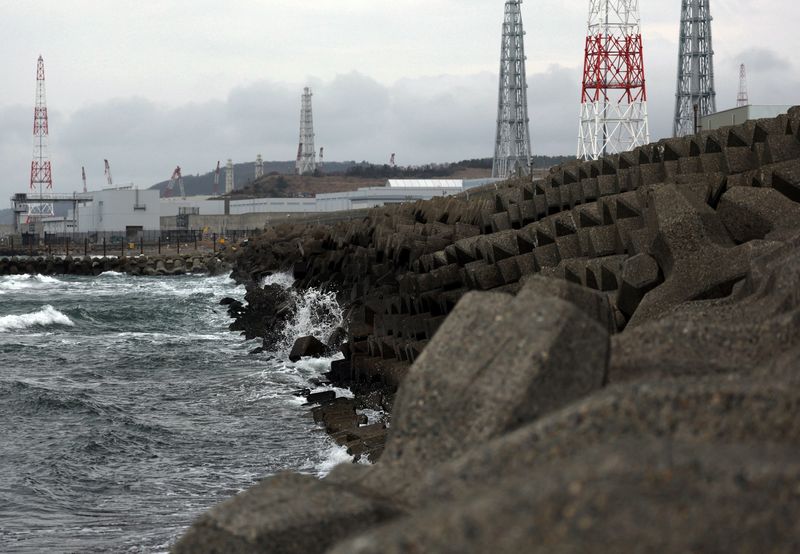
Key Decision on Nuclear Restart Expected
On Monday, the Niigata region in Japan is anticipated to give its approval for the reactivation of the Kashiwazaki-Kariwa nuclear power facility. This move is considered a pivotal moment in the nation's gradual shift back to nuclear power following the 2011 Fukushima incident.
Background and Significance
Kashiwazaki-Kariwa, situated approximately 220 kilometers northwest of Tokyo, was one of 54 reactors taken offline after the Fukushima Daiichi plant was severely damaged by a massive earthquake and tsunami. Since that event, Japan has resumed operations at 14 out of the 33 reactors that remain functional, as part of efforts to reduce dependence on imported fossil fuels. This plant will be the first to be operated by Tokyo Electric Power Co (TEPCO), the company responsible for the Fukushima facility.
"We remain firmly committed to never repeating such an accident and ensuring Niigata residents never experience anything similar," stated TEPCO spokesperson Masakatsu Takata.
If the approval is granted, TEPCO is reportedly considering bringing the first of seven reactors back online by January 20, according to public broadcaster NHK. Takata has declined to provide specific details on the timing.
Local Concerns and Opposition
Despite TEPCO's pledge to invest 100 billion yen over the next decade to gain local support, many residents remain skeptical. A survey conducted by the prefecture in October revealed that 60% of respondents felt the conditions for restarting the plant had not been met, with nearly 70% expressing concerns about TEPCO's management.
Ayako Oga, a 52-year-old farmer and anti-nuclear activist who relocated to Niigata after evacuating from the Fukushima area in 2011, has joined protests against the restart. "We know firsthand the risk of a nuclear accident and cannot dismiss it," she said, noting that she continues to experience symptoms similar to post-traumatic stress from the Fukushima disaster.
Even Niigata Governor Hideyo Hanazumi, who supported the restart last month, expressed hope for a future with reduced reliance on nuclear energy. "I want to see an era where we don't have to rely on energy sources that cause anxiety," he remarked.
Energy Security and Future Plans
The upcoming vote by the prefecture's assembly on Monday is viewed as the final step before TEPCO can proceed with restarting the first reactor. This reactor alone is estimated to increase electricity supply to the Tokyo area by 2%, according to Japan's trade ministry.
Prime Minister Sanae Takaichi, who assumed office two months ago, has advocated for nuclear restarts to enhance energy security and address the high costs of imported fossil fuels, which currently account for 60% to 70% of Japan's electricity generation. Last year, Japan spent 10.7 trillion yen on imported liquefied natural gas and coal, representing a tenth of its total import expenses.
Despite a declining population, Japan anticipates a rise in energy demand over the next decade, driven by an increase in power-intensive AI data centers. To meet these needs and fulfill decarbonization commitments, the country aims to double the share of nuclear power in its electricity mix to 20% by 2040.
Joshua Ngu, vice chairman for Asia Pacific at consultancy Wood Mackenzie, noted that public acceptance of the Kashiwazaki-Kariwa restart would be "a critical milestone" toward achieving these objectives.
In July, Kansai Electric Power, Japan's leading nuclear operator, announced plans to begin surveys for a new reactor in western Japan, the first such project since the Fukushima disaster.
For Oga, who plans to protest outside the Niigata assembly during the vote, the nuclear revival brings back fears of potential risks. "Every news update about the restart — it's like reliving the fear," she said.