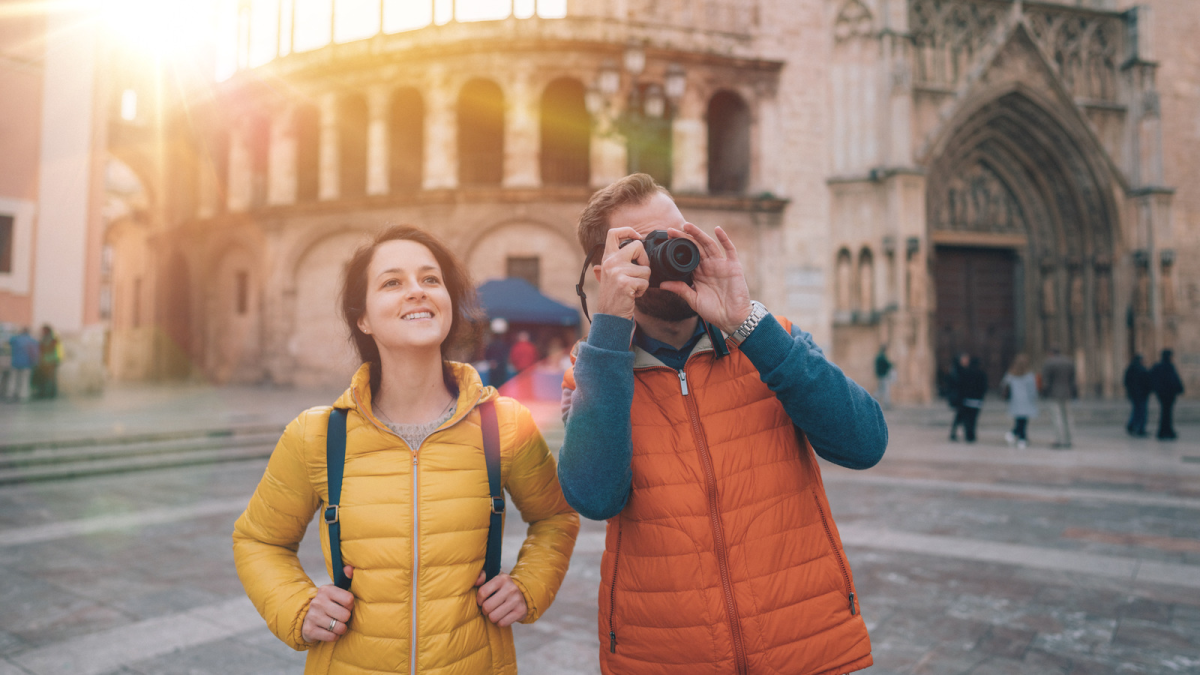
Spain's allure extends far beyond its summer popularity, offering travelers memorable experiences throughout the year. With stunning architectural wonders, varied natural scenery, and culinary delights that live up to their reputation, this European nation satisfies every adventurous spirit. While summer vacations in Spain remain highly sought after, the increasing visitor numbers during peak months have led authorities to address concerns about excessive tourism.
Optimal Travel Windows
For those wishing to avoid congested areas like Barcelona's Las Ramblas or crowded beaches in Mallorca, planning trips during transitional periods—typically March through May and September to November—provides ideal conditions for a Spanish holiday. Travel specialist Katy Nastro explained to Travel + Leisure, "Unlike busy peak seasons, shoulder seasons are periods when places see fewer tourists, yet are not quite as sleepy as the off-season; it's more so the period between the two."
Choosing to visit outside peak tourist times brings multiple advantages: reduced airfare costs, greater availability of hotel rooms, and streets free from overwhelming crowds. Visitors can witness local daily life, gaining insight into the city's rhythm and potentially practicing Spanish language skills. Spain's consistently mild climate, ranking among Europe's top three sunniest countries, ensures enjoyable conditions for remote workers and sun enthusiasts alike. Consider these five Spanish locations that flourish when summer visitors depart.
Mallorca
After summer beach enthusiasts depart and lively celebrations conclude, Mallorca returns to its residents and select travelers seeking to explore the island without masses. While winter brings cooler, rainy weather, April signals a shift toward longer, warmer days.
According to Go World Travel Magazine, restaurants and hotels that closed for winter begin reopening in early spring. Combined with reasonable lodging prices, the agreeable climate creates perfect conditions for experiencing Mallorca's peaceful atmosphere. This period offers excellent opportunities for hiking or cycling through the Serra de Tramuntana mountains, recognized as a UNESCO World Heritage Site for its spectacular natural scenery dotted with picturesque villages like Deià, Valldemossa, and Fornalutx.
Beaches remain inviting even after summer, with ocean temperatures averaging 72 to 77 degrees Fahrenheit during September and October. Without summer crowds, visitors can better appreciate Palma de Mallorca's notable attractions including the Gothic La Seu cathedral, contemporary Es Baluard art museum, and pleasantly uncrowded Old Town streets. A Redditor captured the shoulder season magic, stating, "What is absolutely beautiful: The light. Visiting the towns of the tramuntana is kinda magical in the late fall. You really get the feeling that everything slows down and that you get the places for yourself. It's slightly melancholic, but I really liked it."
La Rioja
September brings grape harvesting to La Rioja as peak season subsides, notes Travels Around Spain, accompanied by autumn's vibrant colors of red and yellow vineyard leaves against blue skies and distant green mountain ranges. This picturesque setting complements the region's wine-focused activities, home to over 500 wineries producing renowned Rioja red wines.
Temperatures reach comfortable 68 to 77 degrees Fahrenheit in September and October across certain areas, enhancing enjoyment of vineyard tours, scenic viewpoint hikes, and visits to numerous castles and fortresses. Travel to the regional capital Logroño for the Rioja Wine Harvest Festival, where week-long events honor Saint Matthew's feast and the grape harvest. Activities include grape-stomping, street processions, and zurracapote competitions, concluding with a ceremonial vat-lighting.
During springtime, vineyards burst with color as dormant vines begin sprouting and budding, per Rioja Wine. Visit Nalda and Iregua towns in April to experience blooming plum trees during the annual Plum Blossom Festival.
Seville
Experienced traveler Rick Steves describes this passionate southern Spanish city as a 'perpetual fiesta'—though summer heat makes enjoyment challenging both physically and figuratively. July and August temperatures average 82 degrees Fahrenheit (earning the nickname "Europe's frying pan"), while visitors compete with crowds who mistakenly believe summer is ideal for Seville.
Late spring and early autumn bring milder 59 to 77 degrees Fahrenheit weather, perfect for exploring Seville's essential sights including three UNESCO World Heritage Sites: the Alcázar, Seville Cathedral, and General Archive of the Indies. Visiting magnificent Plaza de España or 16th-century Casa de Pilatos during shoulder season allows proper architectural appreciation without tourist congestion or intense summer sun.
The city embraces festival atmosphere when March and April arrive. Easter Sunday occurs approximately one week after the first full moon following spring equinox, typically between March 22 and April 25. During Semana Santa, expect elaborate float processions from various brotherhoods parading through streets accompanied by marching bands throughout the week, culminating in Easter Sunday celebrations.
Santiago de Compostela
Santiago de Compostela remains inseparable from the Camino de Santiago pilgrimage route traveled since medieval times by those paying homage to Apostle James' relics. The journey begins over 450 miles away in France's Saint-Jean-Pied-de-Port and concludes at Santiago de Compostela Cathedral. With July and August being peak pilgrimage months, the city fills with exhausted walkers and summer tourists.
Even without undertaking the pilgrimage, Santiago de Compostela warrants visitation. Shoulder season visits offer cooler temperatures despite occasional rain and humidity, with highs around 72 degrees Fahrenheit and lows near 43 degrees Fahrenheit—comfortable for wandering through the Old Town, designated a UNESCO World Heritage Site since 1985. Reduced crowds allow better appreciation of the Cathedral's Gothic, Romanesque, and Baroque architectural elements, plus numerous churches, convents, and plazas throughout the city. Fewer tourists also mean leisurely exploration of the Old Town's Mercado de Abastos food market, featuring fresh Galician coastline seafood, seasonal produce, and local specialties like wine and empanadas.
Valencia
Valencia attracts visitors with more than just paella to Spain's third-largest city. Positioned along the Mediterranean coast, this sun-bathed destination—enjoying approximately 300 sunny days annually—provides diverse attractions for culinary enthusiasts, beach lovers, and culture seekers. While summer draws tourists to Valencia's beaches, those avoiding heat will find the city equally appealing outside peak season with significantly fewer crowds.
Ocean temperatures reach 64 degrees Fahrenheit in May and remain around 66 degrees Fahrenheit in November, suitable for refreshing swims. Without oppressive summer heat and tourist masses, Valencia becomes noticeably more relaxed during shoulder months, allowing travelers to explore at a comfortable pace. Abundant green urban spaces—earning the city a European Green Capital Award in 2024—provide pleasant walking routes, while the Old Town's flat streets make cycling enjoyable.
Climbing Valencia Cathedral's 207-step Miguelete Tower becomes more manageable in cooler weather, as does outdoor dining in L'Eixample or Benimaclet district restaurants and bars. For authentic paella, travel 14 miles south to Albufera, which Valencia City's official website proudly identifies as both the city's natural park with expansive lagoon and stunning sunsets, and the birthplace of paella.