Following the fall of Bashar al-Assad's regime, detention facilities across Syria have seen a resurgence in occupancy under the administration of President Ahmed al-Sharaa. Many individuals are being held without formal charges, according to findings from a Reuters inquiry.
Multiple Waves of Arrests
Initial detentions occurred swiftly after rebel forces opened the doors of Assad's notorious prisons last December. As families searched for missing relatives, thousands of former regime soldiers were captured by opposition groups.
A second wave emerged in late winter, targeting hundreds from Assad's Alawite sect. These arrests intensified after coastal unrest in March resulted in dozens of security force casualties and retaliatory violence.
Summer brought another round of mass detentions, this time affecting the Druze community in southern regions following sectarian clashes. Throughout these periods, security forces have detained people from various religious backgrounds under broad security justifications.
Documented Cases and Conditions
Reuters has compiled information on at least 829 individuals detained on security grounds since Assad's departure, based on interviews with families and former detainees. Evidence suggests the actual number is significantly higher.
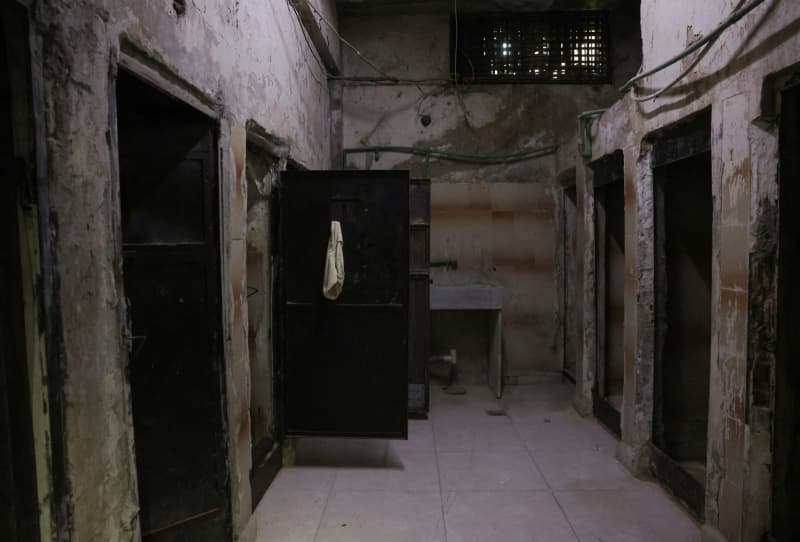
Prison conditions described by detainees and their relatives include severe overcrowding, inadequate food supplies, and outbreaks of skin diseases due to poor hygiene. Many report abuse and torture reminiscent of practices under the previous regime.
"The number of people involved in crimes and violations in Syria under the former regime is very large, given the scale of the abuses committed," stated Syria's Information Ministry. "There are past crimes, involvement in new violations, and threats to security and stability by those associated with the regime, in addition to other crimes."
Continued Operation of Former Facilities
Despite Sharaa's December 2024 pledge to "close the notorious prisons" of the fallen dictator, at least 28 detention centers from the Assad era have remained operational over the past year. These include major prisons, intelligence complex lockups, and smaller facilities at checkpoints.
Detainees often have limited legal recourse, with many families losing contact with loved ones for extended periods. Access to legal representation varies significantly between facilities.
Extortion and Financial Demands
Multiple families and lawyers report receiving demands for money in exchange for detainee releases, with amounts ranging from $500 to over $90,000. These extortion attempts often involve unidentified callers making threats about prisoner safety.
One family shared an audio recording where a captor demanded 100 million Syrian lira ($9,000) for an army officer's release, threatening "you'll never see him alive again" when told the family couldn't pay.
Deaths in Custody
Reuters has documented at least 11 deaths in detention, including cases where families only learned of deaths after burials had occurred. The government has acknowledged investigating some deaths but hasn't provided comprehensive figures.
Among documented cases is Milad al-Farkh, a 59-year-old Christian merchant whose family claims he was tortured to death after being arrested on questionable charges. His body showed head injuries inconsistent with official explanations.
International Concerns
Human rights organizations have expressed alarm about the situation. Thameen al-Kheetan, a spokesperson for the UN rights office, told Reuters that "it remains challenging to determine with precision how many individuals are still detained, how many have been released, or which cases may amount to enforced disappearance."
The UN Office of the High Commissioner for Human Rights stated in December that it had documented "distressing accounts of summary executions, arbitrary killings and abductions" since Assad's fall.
Government Response and Reforms
The Syrian government acknowledges challenges in rebuilding legal and security institutions after Assad's departure. "Because of this difficult reality, there are vacuums that lead to negative consequences that violate policies in some cases," officials stated.
Authorities report disciplining 84 security personnel for extortion incidents and 75 for violence. The Interior Ministry has also published a new code of conduct prohibiting torture and emphasizing human rights protections.
Despite these measures, many Syrians remain detained without clear legal status or prospects for release, raising questions about whether the new government has truly broken from past practices.