
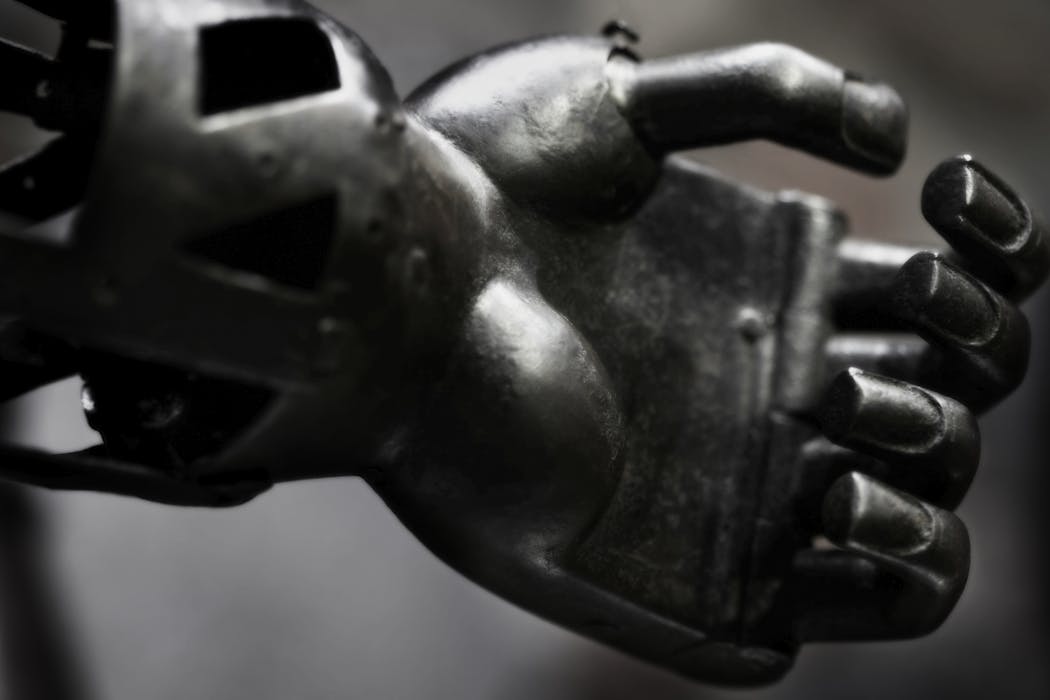
Contemporary medicine enables the replacement of numerous body components, from cardiac implants to advanced prosthetic limbs. This capability stems not only from technological sophistication but from a fundamental philosophical shift—the acceptance that human bodies can be profoundly altered through invasive procedures.
When did this transformative perspective emerge?
While many point to the American Civil War as a pivotal moment for amputation practices and prosthetic development, with surgeons performing approximately 60,000 limb removals, significant changes actually began centuries earlier in Europe.
Historians of early modern medicine note that between 1500 and 1700, European approaches to surgical interventions underwent dramatic evolution. What began as extreme reluctance toward amputation transformed into multiple surgical methods and sophisticated iron prosthetic hands for wealthy individuals.
Previously considered a desperate measure with high mortality rates, amputation gradually became viewed alongside artificial limbs as a means to reshape the human form. This departure from traditional noninvasive healing practices established a precedent that continues to influence contemporary biomedical approaches, making procedures like hip replacements conceivable today.
The Convergence of Warfare, Surgery, and Technology
During the Renaissance, surgical practitioners engaged in vigorous debates about amputation techniques that their medieval predecessors had never considered. Two key developments drove this transformation: the proliferation of gunpowder-based warfare and the invention of the printing press.
Firearms and artillery created devastating injuries that often necessitated immediate limb removal. These weapons caused wounds particularly vulnerable to infection and gangrene by crushing tissue, disrupting circulation, and embedding foreign materials deep within the body. Surgeons faced the grim choice between performing risky operations or allowing patients to perish.
The printing press allowed surgical knowledge to spread beyond battlefields. Though their methods—conducted without anesthesia, antibiotics, or standardized sterilization—sound brutal by modern standards, each technique served specific purposes. Quick amputations using mallets and chisels minimized suffering, while cauterization prevented fatal bleeding.
Some surgeons prioritized preserving healthy tissue, while others focused on preparing limbs for prosthetic attachment. This latter group began viewing the body not merely as something to preserve but as material to be actively reshaped.
The Rise of Artificial Limbs and Artisan Collaboration
As surgeons refined amputation methods, amputees collaborated with craftspeople to develop artificial limbs. While simple wooden peg legs remained common, a new technology emerged in the late 15th century: mechanical iron hands.
Historical records provide limited information about amputation survivors, whose survival rates might have been as low as 25%. For those who recovered, improvisation was essential for navigating daily life.
Unlike today's medicalized prosthetics industry, early modern Europe had no equivalent to contemporary prosthetists. Surgeons occasionally provided small devices like artificial noses but didn't design or fit limb prostheses. Instead, amputees relied on personal resources and ingenuity, commissioning devices directly from artisans.
Iron hands featured intricate mechanisms with spring-driven fingers that locked into various positions. They displayed remarkable craftsmanship, complete with engraved fingernails, skin wrinkles, and flesh-toned paint. Wearers operated them by pressing fingers to lock them and activating wrist releases to free them.
While impressive in their complexity, these devices often prioritized visual impact over practical utility, foreshadowing today's emphasis on advanced prosthetic technology. Their creation drew inspiration from unexpected sources including locks, clocks, and decorative firearms.
Given their expensive materials, iron hands primarily served wealthy individuals, marking the first period when European scholars could distinguish social class through prosthetic devices.
Cultural Impact and Historical Misconceptions
Iron hands carried significant conceptual weight, influencing surgical thinking about prosthesis placement and fostering optimism about artificial limbs' potential.
However, scholars have traditionally overemphasized one user group: knights. The famous example of 16th-century German knight Götz von Berlichingen, whose story was dramatized by Goethe, has created a persistent image of the "bionic warrior" that distorts historical reality.
Recent research reveals that many iron hands show no evidence of belonging to warriors or even men. Instead, cultural innovators—often known only through surviving artifacts—embraced these devices within a society that valued ingenious mechanical objects blurring boundaries between art and nature.
In an era that prized clever devices like the clockwork galleon displayed at the British Museum, amputees used iron hands to challenge pitying stereotypes. Surgeons noted these developments in their writings, recognizing that these artifacts communicated in a material language their contemporaries understood.
The modern concept of replaceable body parts required reimagining the human form as malleable material. This transformation depended not solely on surgical advances but on collaborations between amputees, artisans, and medical practitioners who together reshaped both bodies and cultural perceptions.