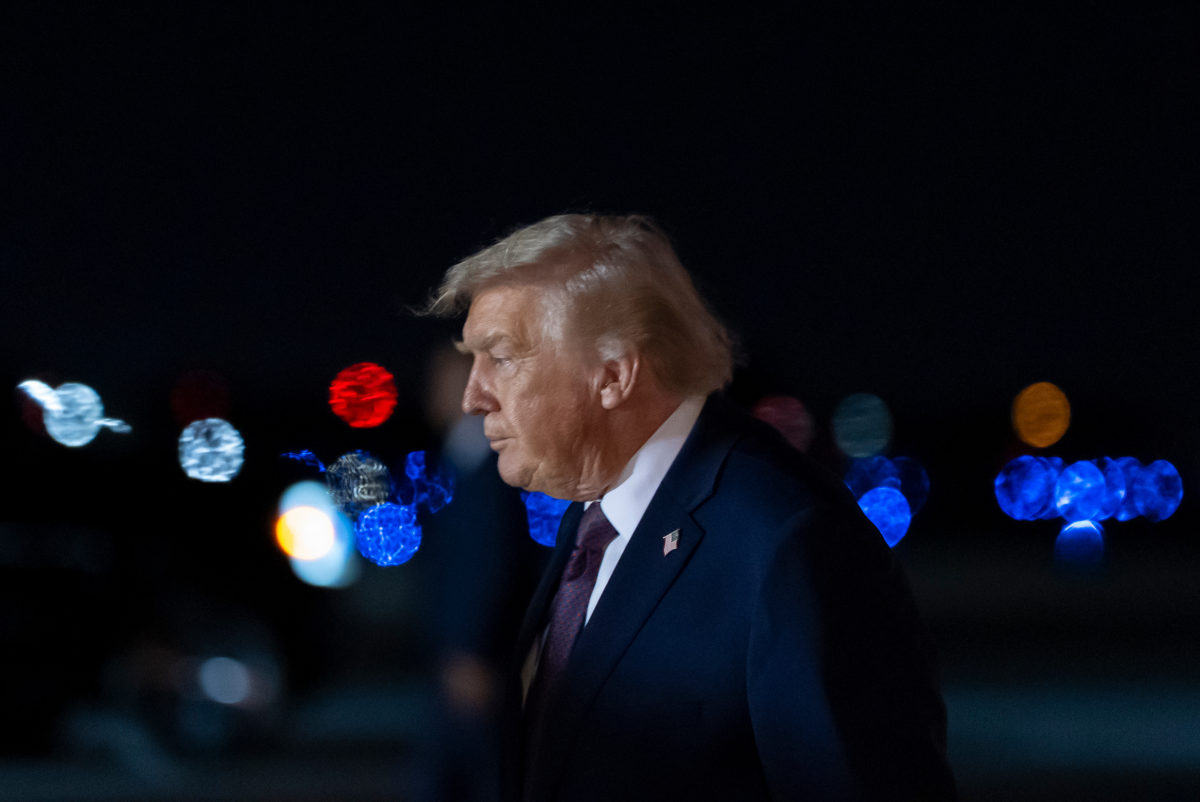
On Monday, President Donald Trump convened a meeting with senior national security officials at his Mar-a-Lago resort in Florida. The gathering, described by the White House as involving a "major announcement," included Secretary of State Marco Rubio, Defense Secretary Pete Hegseth, and Navy Secretary John Phelan. According to an unnamed White House official, Trump intended to discuss a shipbuilding initiative during the event.
Escalating Maritime Operations
This meeting occurs as the U.S. Coast Guard has heightened its activities in the Caribbean Sea, targeting oil tankers linked to Venezuela. For the second consecutive day on Monday, Coast Guard vessels pursued a sanctioned tanker that officials labeled part of a "dark fleet" used by Venezuela to circumvent U.S. sanctions. The tanker was reportedly flying under a false flag and subject to a U.S. judicial seizure order.
This marks the third such vessel intercepted recently. On Saturday, the Coast Guard seized the Panama-flagged ship Centuries, identified as part of Venezuela's shadow fleet. Earlier, on December 10, with Navy assistance, the Coast Guard captured another sanctioned tanker named Skipper, also registered in Panama and operating on the fringes of the law.
International Developments and Broader Campaign
In a related development, Russia's Foreign Ministry has begun evacuating the families of diplomats from Venezuela, according to a European intelligence official speaking anonymously. The evacuations, which started on Friday and include women and children, reflect assessments of the situation in "very grim tones" by Russian officials.
Trump's pressure campaign against Venezuelan President Nicolás Maduro's government, now in its fourth month, has evolved from its initial focus on curbing illegal drug flows to broader measures. Following the first tanker seizure, Trump declared the U.S. would implement a "blockade" of Venezuela, asserting that Maduro's tenure is limited. Last week, he reiterated this stance, demanding the return of assets seized from U.S. oil companies and justifying the blockade against sanctioned oil tankers.
Concurrently, under Trump's directives, the Defense Department continues its operations against smaller vessels in the Caribbean and eastern Pacific Ocean, alleging they transport drugs. Since early September, these strikes have resulted in at least 104 fatalities across 28 known incidents, drawing criticism from U.S. lawmakers and human rights activists who question the evidence and label them extrajudicial killings.