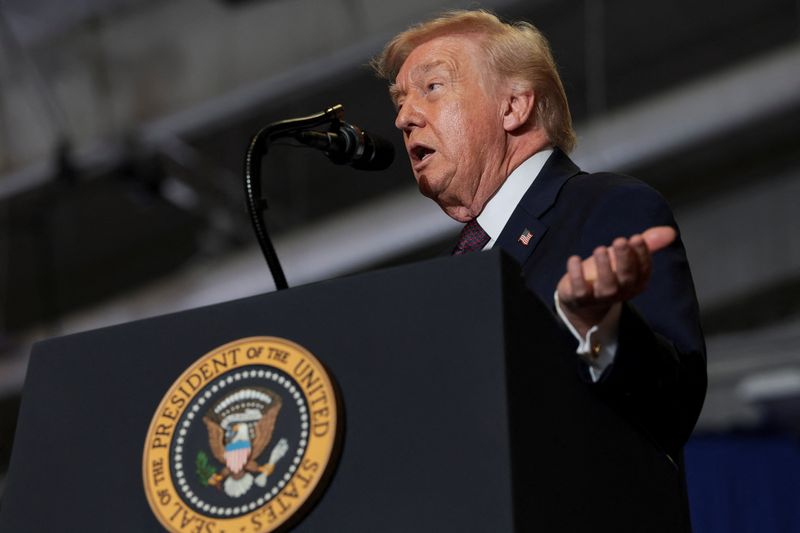
WASHINGTON, Dec 20 - President Donald Trump's return to the White House for a second term has been marked by sweeping policy initiatives that have dramatically increased presidential influence and transformed America's global position. However, this expansion of power is encountering significant political challenges as the administration moves into the new year with midterm elections approaching.
Policy Achievements and Political Costs
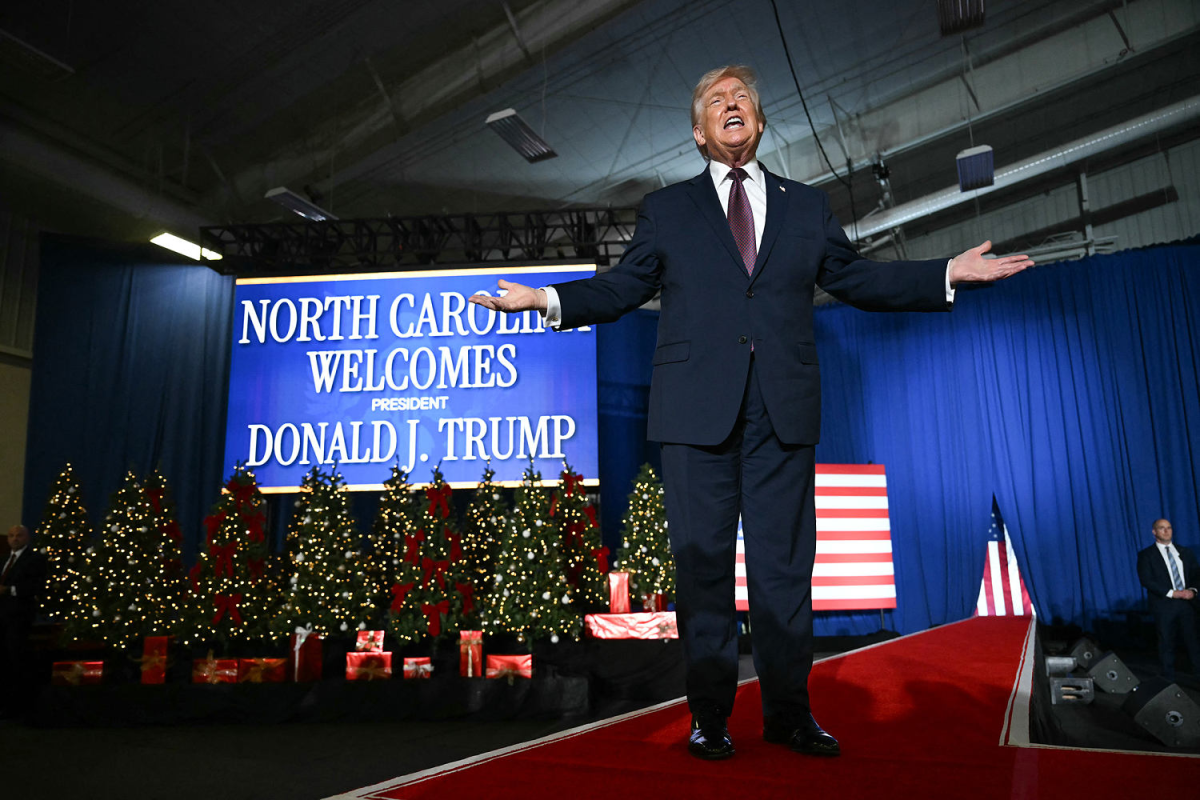
Since resuming office in January, Trump has implemented substantial changes across multiple sectors, fulfilling many campaign promises and establishing himself as one of the most impactful modern presidents. His administration has restructured federal operations, implemented strict immigration measures, and reshaped international relations through various executive actions.
Despite these accomplishments, political analysts note that Trump's once-solid support among Republican lawmakers is showing signs of strain. Several GOP members have expressed reservations about certain policies, while public opinion surveys indicate growing voter dissatisfaction with economic conditions and concerns about executive overreach.
According to recent polling data, Trump's approval rating has declined to approximately 39%, approaching the lowest point of his current term. Republican voters in particular have expressed disappointment with economic management, creating potential difficulties for the party in upcoming congressional elections.
Executive Authority Expansion
Historians and political observers note that Trump has exercised presidential power with fewer constraints than any chief executive since Franklin Roosevelt's administration in the 1930s. Through extensive use of executive orders and emergency declarations, decision-making authority has increasingly shifted from Congress to the White House.
"Donald Trump has wielded power with fewer restraints in the last 11 months than any president since Franklin Roosevelt," said presidential historian Timothy Naftali.
The current political environment has facilitated this expansion, with a conservative Supreme Court generally supporting administration positions and a Republican-controlled Congress offering limited resistance. Unlike during his first term, Trump now exercises complete authority over his cabinet, which consists primarily of loyal supporters.
Economic Challenges and Political Strategy
Administration officials acknowledge that economic issues present significant challenges as the new year begins. White House spokesman Kush Desai emphasized that addressing inflation has been a priority since Trump's return to office.
"Much work remains," Desai said, adding that Trump and his administration will continue to focus on the issue.
Despite not being on the ballot himself, Trump has begun campaigning to promote his economic agenda, with plans for multiple speeches in the coming year aimed at convincing voters he has effective solutions for high prices. However, some Republican strategists have expressed concern about the effectiveness of these efforts, particularly following recent public appearances where economic messaging appeared inconsistent.
A Republican with close ties to the White House acknowledged that economic headwinds present challenges, noting that public concern about rising living costs has "become a persistent drag" on political support.
"We have to remind voters they need to give the president a full four years," said the Republican, speaking on condition of anonymity to more freely discuss internal discussions.
The November elections could significantly impact Trump's domestic agenda, with Republicans facing potential losses that might enable Democratic control of Congress. Such an outcome could lead to renewed challenges to administration policies and potentially even impeachment proceedings.