First Mediterranean Strike Against Russian Tanker
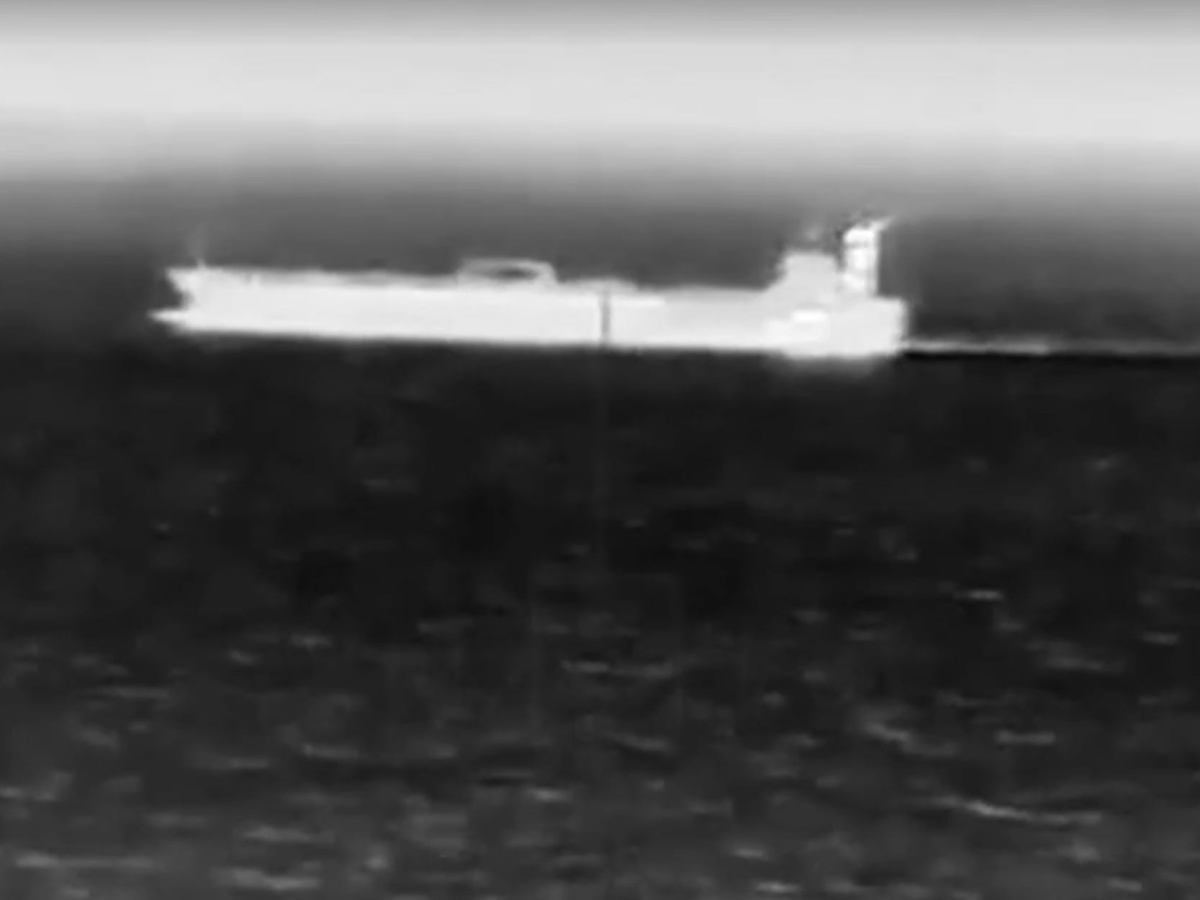
Ukrainian military forces have successfully targeted an oil tanker belonging to Russia's so-called "shadow fleet" in the Mediterranean Sea using long-range drones. This represents the first such attack in this maritime region, according to information provided by a Ukrainian security source on Friday.
The operation was conducted from a distance exceeding 1,200 miles from Ukrainian territory, demonstrating a substantial expansion of Kyiv's capabilities to strike Russian energy assets far beyond its borders. This campaign aims to disrupt a crucial revenue stream that supports Moscow's military operations.
Details of the Attack
The targeted vessel was identified as the Qendil, which was reportedly sailing under the flag of Oman at the time of the strike. A source from Ukraine's Security Service (SBU), speaking anonymously to discuss military matters, described the operation as "unprecedented" and confirmed that the tanker sustained critical damage.
The SBU source clarified that the Qendil was not transporting oil cargo during the attack, thus posing no environmental threat. Visual evidence from the scene showed multiple explosions occurring on the tanker's exterior.
"Russia used the Qendil 'to circumvent sanctions and earn money that went to the war against Ukraine,'" the SBU source stated, adding that the vessel represented a "legitimate target" for Ukrainian forces. "The enemy must understand that Ukraine will not stop and will beat him anywhere in the world, wherever he is," they emphasized.
Strategic Shift in Ukrainian Operations
This Mediterranean strike follows a pattern of escalating Ukrainian attacks on Russian energy infrastructure. Since August, Kyiv has intensified its use of long-range drones against facilities that generate revenue for Moscow's war effort.
While initial operations focused on land-based targets like oil refineries and port facilities, Ukraine has recently expanded its campaign to include maritime assets. This includes strikes on tankers in the Black Sea and attacks on oil platforms in the Caspian Sea.
The extension of operations to sea-based targets appears to reflect an evolving strategy as Ukraine continues to pressure international allies to take more aggressive measures against Russian oil exports. Ukrainian officials have characterized these deep-strike missions as a form of "long-range" sanctions against Moscow.
Since late November, Ukrainian forces have attacked at least four tankers identified as part of Russia's shadow fleet, which consists of hundreds of vessels used to transport oil while evading international sanctions. Neither Russian defense authorities nor Moscow's diplomatic representatives in the United States have issued immediate comments regarding this latest attack.