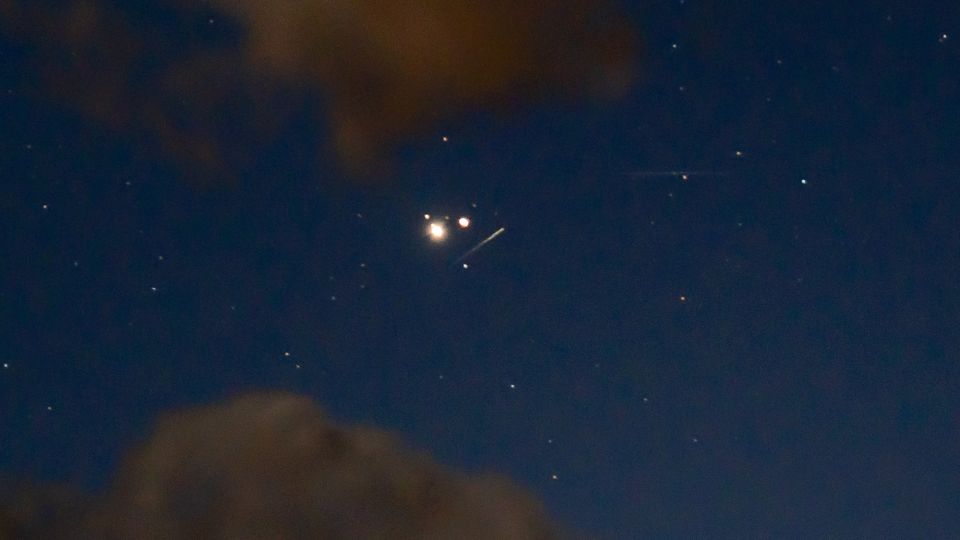
The Ursid meteor shower, serving as the concluding astronomical spectacle of 2023, will reach its maximum intensity from Sunday evening through early Monday morning.
According to Robert Lunsford, fireball report coordinator for the American Meteor Society, observers may witness between five and ten meteors each hour during the peak viewing window. This timeframe corresponds to midnight to 5 a.m. ET on Monday, or 9 p.m. PT Sunday to 2 a.m. PT Monday.
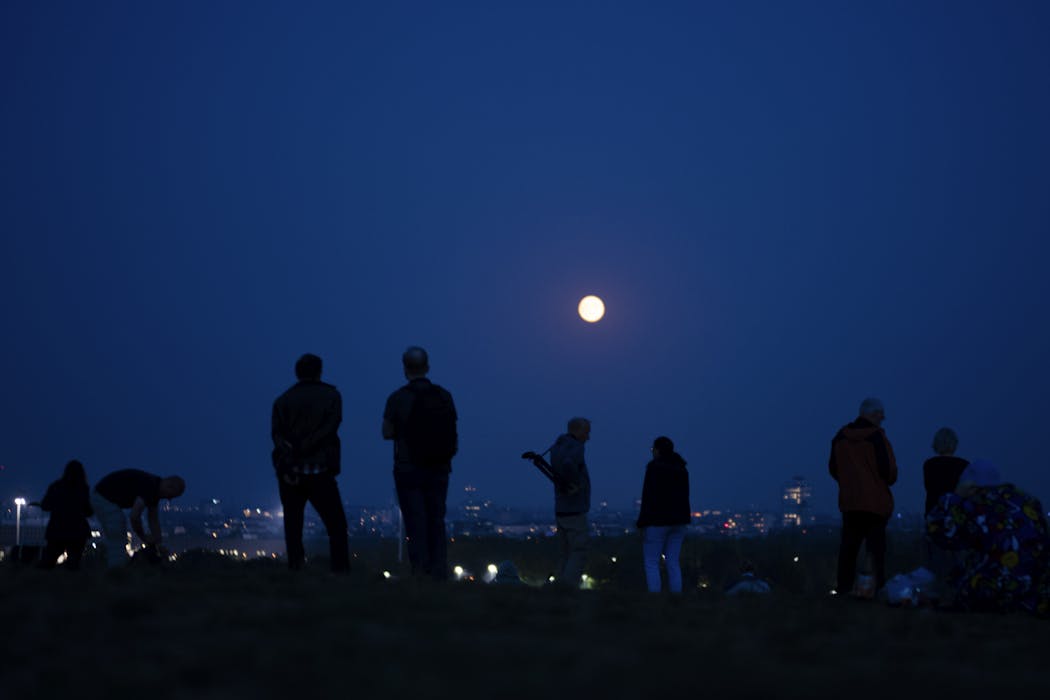
This celestial display coincides with the winter solstice, the official start of winter in the Northern Hemisphere and the year's longest night. A faint crescent moon will provide exceptionally dark skies, ideal for meteor watching.
The shower is exclusively visible from the Northern Hemisphere. The radiant point, from which the meteors appear to originate, remains too low in the sky for observers in the Southern Hemisphere to see.
Origins and Potential Enhancement
Lunsford explained that the Ursids appear to emanate from the bowl of the Little Dipper, or Ursa Minor constellation, near the star Kochab.
The meteor shower results from Earth passing through the debris trail left by comet 8P/Tuttle as it orbits the sun. Lunsford noted that this year's activity might be heightened as Earth encounters a specific stream of older cometary material.
"This year it is predicted that the Earth will pass through a particular trail which may give us a brief enhancement of activity," Lunsford said via email.
Viewing Recommendations
While the Ursids produce fewer meteors per hour than the recent Geminid shower and occur during cold, often cloudy holiday nights, Lunsford encourages enthusiasts to brave the conditions.
"It is highly suggested that one try to view from the darkest location possible," he added. "Folks viewing from closer to cities can only see less than 5 per hour."
He recommends facing the northern sky, looking about halfway up from the horizon rather than directly overhead. Given the lower meteor rates, he advises dedicating at least an hour to observation for the best chance to see shooting stars.
Looking Ahead to January
The new year will commence with a dual astronomical event. The first full moon of January, known as the Wolf Moon, peaks on January 3, coinciding with the Quadrantid meteor shower.
Although the Quadrantids are known for producing bright fireballs, the brilliance of the full moon is expected to diminish the visibility of these meteors.