Daily Life Persists Amid Rising Tensions
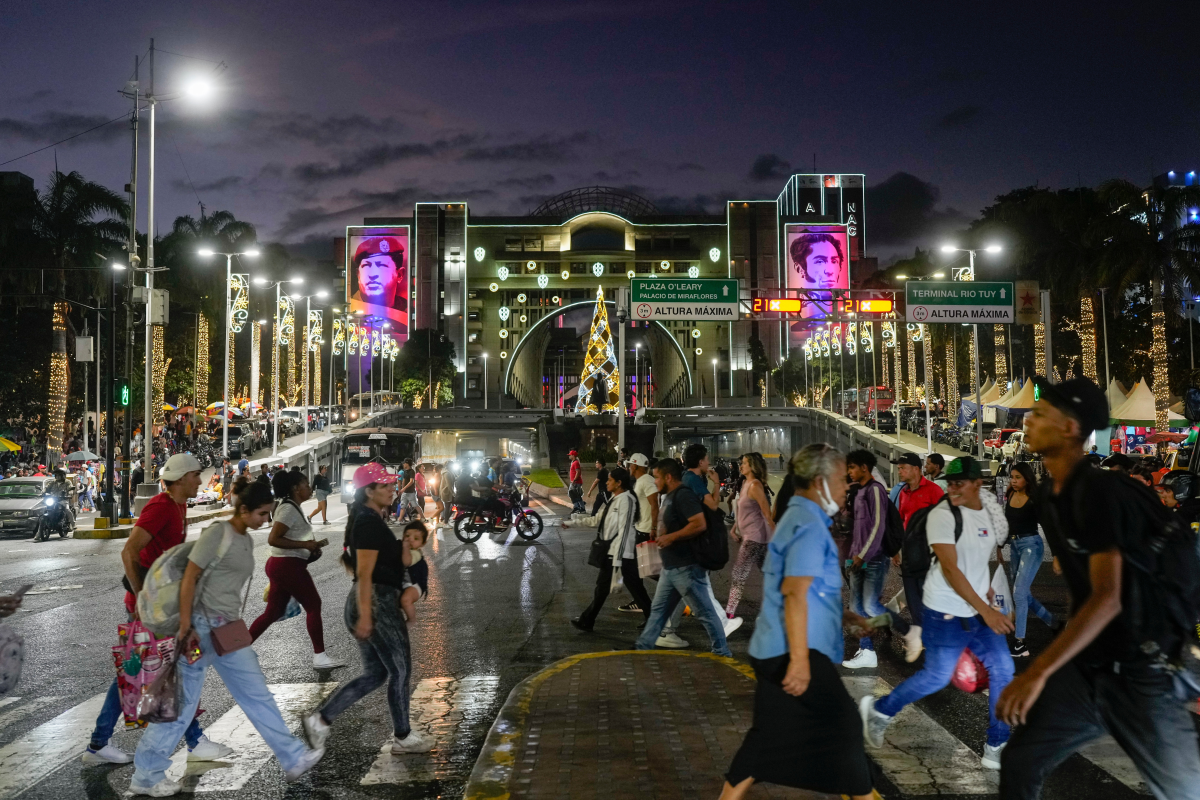
In Venezuela's capital, residents continue their regular activities despite growing international pressure. Following reports of potential U.S. military action, young people at social gatherings have been observed making light of the situation while enjoying festivities.
"I feel bad for laughing at the thought of something happening and us having to be dressed up in costumes," remarked Gabriela, a marketing professional in her twenties attending a costume event.
Throughout the city, similar conversations occur in various settings. At an upscale athletic facility, one member mentioned keeping binoculars handy to watch for military vessels, while elsewhere, questions about possible strikes circulate among patrons.
Economic and Political Context
The country faces severe economic challenges including triple-digit inflation alongside humanitarian needs. Meanwhile, U.S. military assets have increased presence near Venezuelan waters, with regular patrol flights occurring.
Recent actions have targeted Venezuela's petroleum industry, a crucial revenue source. These measures follow historical disputes over nationalized oil assets from international companies.
"This is even more pronounced today.... Except in small circles, caution and distrust prevail among the population," noted Rafael Uzcátegui, a human rights advocate.
Public Sentiment and Self-Censorship
Many citizens avoid political discussions publicly due to concerns about repercussions. Surveys indicate divided opinions about potential foreign intervention, with significant portions expressing uncertainty or guarded views.
Since the contested 2024 elections, authorities have intensified crackdowns, leading to numerous detentions and exiles. Opposition figures have faced restrictions, with some leaving the country under difficult circumstances.
"No one will tell you what they actually think, at least not completely," Uzcátegui added, comparing the situation to other regional contexts where reliable polling becomes challenging.
Varied Perspectives Across Society
Interviews reveal a spectrum of attitudes toward possible U.S. involvement. Some express support for external action to create political change, while others view such measures with skepticism about underlying motives.
"I completely support this," stated Cristina, a designer in eastern Caracas. "It's been 26 years and they won't leave by their own will."
Conversely, Nazareth, working in a historically pro-government neighborhood, questioned whether intervention would benefit ordinary citizens: "If they intervene, they won't care about the people who live here."
Adapting to Escalation
Residents have grown accustomed to certain disruptions, including regular military overflights that initially caused alarm. Technological interference now affects daily services like navigation and delivery applications.
Travel complications have emerged during the holiday period, with many international flights canceled. This disrupts traditional family reunions for Venezuela's substantial diaspora community.
"People cannot come so I've had at least four events cancelled in December," explained Mayra, whose seasonal income has suffered from these disruptions.
Maintaining Normalcy
Despite uncertainties, many find ways to preserve routines and celebrations. Some express resignation mixed with determination to continue with life's ordinary pleasures.
"How's everything in Caracas? Well, if we are losing it, we'll lose it all in; we will play dumb till the end," commented Patricia, observing holiday festivities near her business.
This blend of resilience, dark humor, and practical adaptation characterizes the current atmosphere as geopolitical pressures intersect with daily existence during a traditionally festive season.