Space Accessibility Milestone Achieved
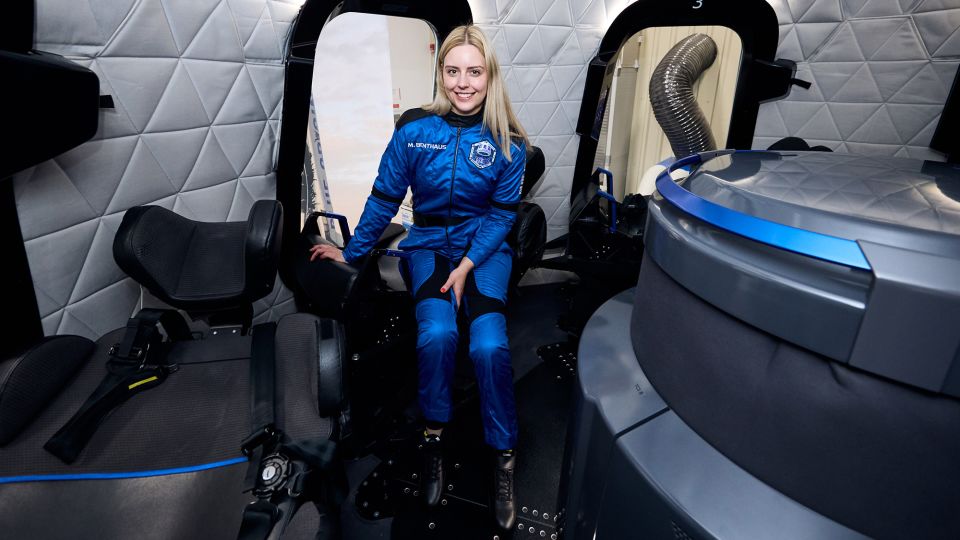
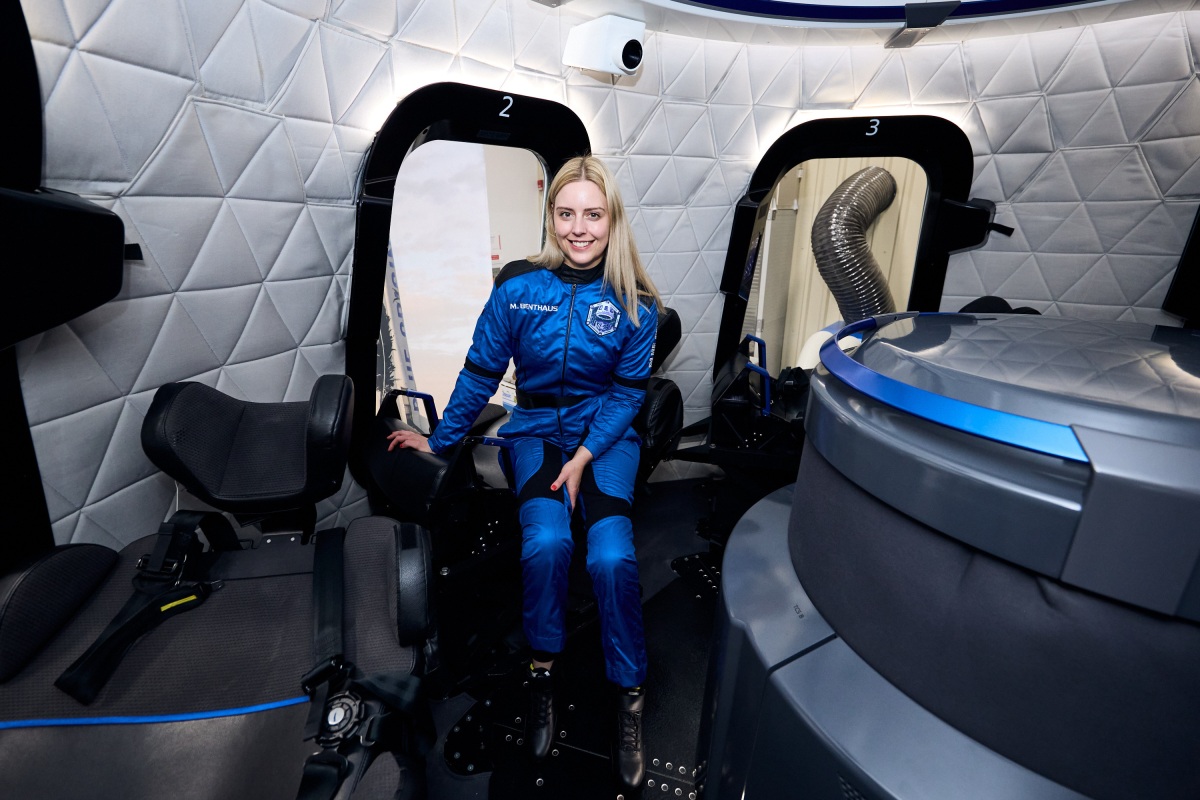
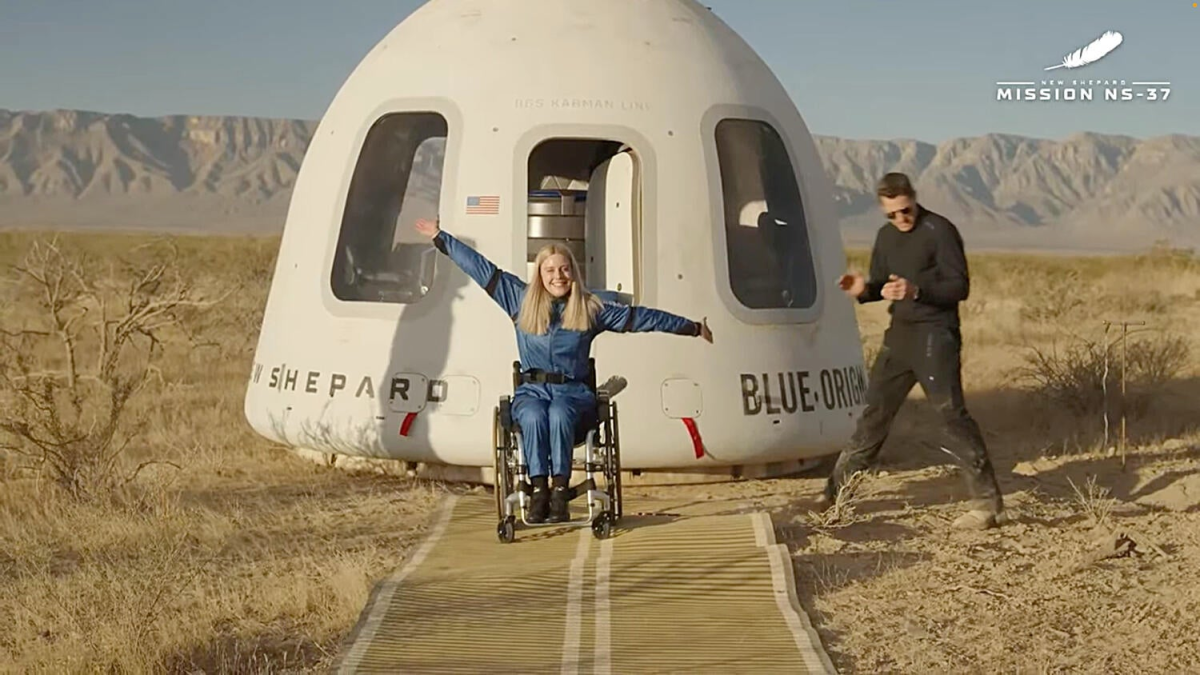
On Saturday, Blue Origin accomplished a significant spaceflight milestone by sending Michaela Benthaus, a German aerospace engineer and disability advocate who uses a wheelchair, to the edge of space. The brief journey lasted approximately ten minutes and provided several minutes of weightlessness at an altitude exceeding 65 miles above Earth.
Inspiring Journey to Space
Benthaus, who sustained a spinal cord injury during a mountain biking accident in 2018, participated in the suborbital flight alongside former SpaceX manager Hans Koenigsmann and four other passengers. The mission reached just beyond the recognized boundary of space.
"It was the coolest experience!" Benthaus exclaimed after landing, referencing the sensation of turning upside down during weightlessness. "I didn't only like the view and the microgravity, but I also liked the going up. That was so cool, every stage of going up."
Koenigsmann, instrumental in developing SpaceX's Falcon rocket family, assisted Benthaus throughout training and during the flight. Their collaboration began after Benthaus inquired about spaceflight possibilities for people with disabilities.
"I met Hans the first time online," Benthaus recalled in an interview. "I just asked him, like, you know, you worked for so long for SpaceX, do you think that people like me can be astronauts?"
"Then he reached out to Blue Origin and told me oh, Blue actually is very excited about it. Okay, I have my doubts on it, but let's see. Thankfully it turned out we can do it. So Hans and me (ended) up flying as a team," Benthaus continued.
Flight Details and Experience
The New Shepard spacecraft launched from Blue Origin's West Texas facility at 9:15 a.m. EST on Saturday, following a two-day delay due to technical issues. The hydrogen-fueled BE-3 engine propelled the capsule to nearly three times the speed of sound before shutting down approximately two-and-a-half minutes after liftoff.
Upon reaching peak altitude, passengers experienced weightlessness and observed Earth's curvature through the spacecraft's large windows. "Oh, my God," one passenger exclaimed via radio, while another simply stated, "Incredible."
During reentry, the crew experienced gravitational forces approximately five times Earth's normal gravity. The booster successfully returned to its launch site, executing a controlled landing near the launch gantry.
Broader Implications for Space Travel
This mission represents Blue Origin's 16th crewed New Shepard flight since July 2021, bringing their total number of space travelers to 92 individuals. While Benthaus is the first person with significant physical disabilities to reach space, European Space Agency astronaut John McFall, who has a prosthetic leg, has been approved for future International Space Station missions.
Benthaus emphasized the importance of inclusion in space exploration, noting that "people with disabilities actually bring value to a crew. ... You develop a very special resilience."
She also highlighted considerations for long-duration missions, stating, "we're thinking more and more about long-duration space missions; some of us want to go to the Mars in the future."
"That's a very long journey. And, yes, people can get a disability on the way. People can have a stroke or break their leg or get a spinal cord injury."
Following the successful landing, Benthaus expressed gratitude, saying, "You should never give up on your dreams, right? I just feel very lucky, and I'm very grateful to Blue and Hans and everyone who said yes to this journey."