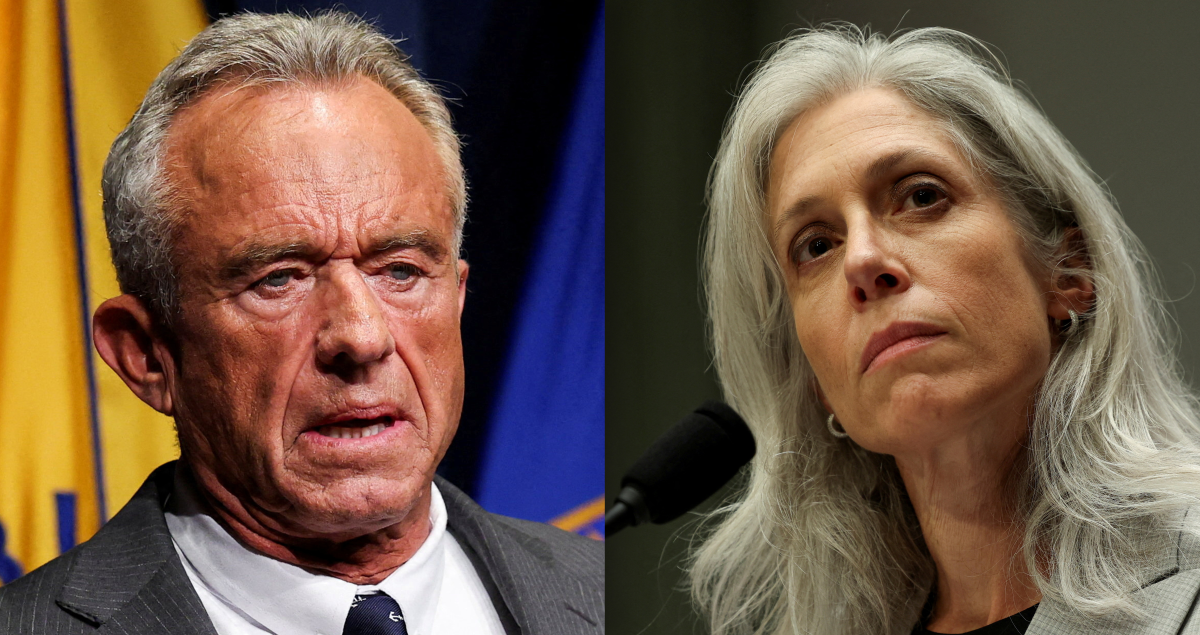
Confusion enveloped the Centers for Disease Control and Prevention on Wednesday evening following an announcement that its director had been removed from her position. However, legal representatives for Susan Monarez quickly countered that she remained in her role, creating a standoff over leadership authority.
Conflicting Claims Over Authority
Health and Human Services Secretary Robert F. Kennedy Jr.'s department declared via social media that Monarez was no longer leading the agency. Within two hours, her attorneys issued a statement asserting she had not been terminated and would not resign voluntarily.
"When CDC Director Susan Monarez refused to rubber-stamp unscientific, reckless directives and fire dedicated health experts, she chose protecting the public over serving a political agenda. For that, she has been targeted," Monarez's lawyers wrote in a statement.
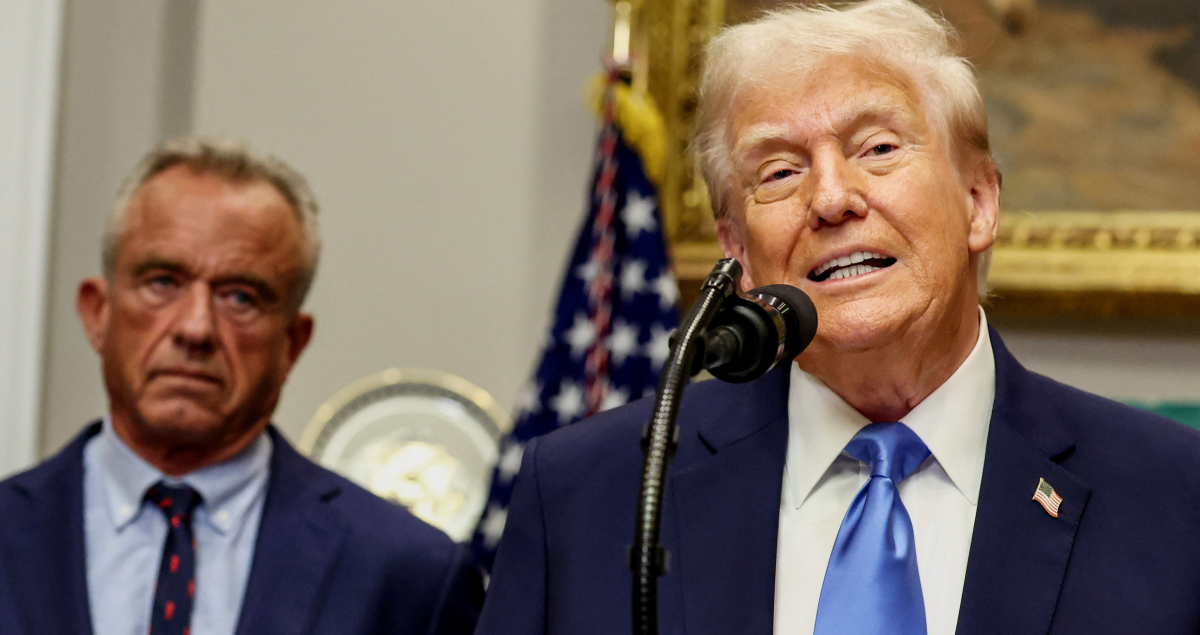
The White House later stated that Monarez had been dismissed because she was "not aligned with the President's agenda of Making America Healthy Again." Her legal team maintained this was insufficient, arguing that only President Trump possesses the authority to fire her directly.
"As a presidential appointee, senate confirmed officer, only the president himself can fire her," attorney Mark Zaid stated on social media.
Senior Staff Departures
Four high-ranking CDC officials submitted their resignations on Wednesday night. Demetre Daskalakis, who oversaw national vaccination strategies, explained his departure in an email to colleagues shared with media outlets.
"I am not able to serve in this role any longer because of the ongoing weaponization of public health," Daskalakis wrote.
Additional resignations included Chief Medical Officer Debra Houry, Director of Public Health Data Jennifer Layden, and National Center for Immunization and Respiratory Diseases director Daniel Jernigan.
Administration Response and Appointments
Despite the unresolved status of Monarez's position, HHS proceeded with leadership changes. Jim O'Neill, Kennedy's principal deputy, was appointed as acting CDC director on Thursday night. O'Neill previously served as a health official before transitioning to Silicon Valley investment and had criticized the agency's pandemic response.
During a Thursday morning Fox News interview, Kennedy declined to comment on personnel matters but expressed concerns about the CDC's direction.
"President Trump has very, very ambitious hopes for CDC right now, and CDC has problems," he said. "We saw the misinformation coming out of COVID. They got the testing wrong. They got the social distancing, the masks, the school closures that did so much harm to the American people today."
Background Context
Kennedy's appointment as HHS secretary proved controversial due to his positions on health matters that diverge from scientific consensus, particularly regarding vaccines. His Senate confirmation passed narrowly along party lines.
Earlier this year, Kennedy implemented significant staff reductions within HHS, including hundreds at the CDC. He has restructured the department around his Make America Healthy Again initiative, which emphasizes approaches to chronic disease that frequently conflict with established medical understanding.
Monarez, an infectious disease researcher, became Trump's second nominee for CDC director after initial candidate Dave Weldon was withdrawn. Reports indicate friction developed between Monarez and Kennedy throughout her brief tenure, escalating after a recent attack on CDC headquarters by an individual motivated by anti-vaccine beliefs.
Future Implications
President Trump could resolve the uncertainty by personally terminating Monarez's appointment. Meanwhile, congressional oversight appears likely following the high-profile departures.
Republican Senator Bill Cassidy, who chairs the Senate health committee, called for postponing an upcoming HHS vaccine advisory committee meeting until investigations address allegations from departing CDC staff.
"These decisions directly impact children's health and the meeting should not occur until significant oversight has been conducted," Cassidy stated. "If the meeting proceeds, any recommendations made should be rejected as lacking legitimacy given the seriousness of the allegations and the current turmoil in CDC leadership."
The appointment of a permanent CDC director remains pending, requiring Senate confirmation for any nominee.