
On Monday, President Trump's administration unveiled fresh guidance concerning autism, suggesting that consuming acetaminophen-based pain relievers like Tylenol while pregnant might be connected to the neurological condition. The announcement also advocated for considering leucovorin, a drug typically used for cancer and anemia, as a treatment option.
However, these proposals remain scientifically unverified, with no new data presented to support the administration's stance. "I always had very strong feelings about autism and how it happened and where it came from," the president stated. "We understood a lot more than a lot of people who studied it."
Since January, Trump has consistently vowed to tackle the increasing autism rates in the United States. In April, Health and Human Services Secretary Robert F. Kennedy Jr., known for promoting disputed theories about the disorder, announced a global research initiative, promising clarity by September. On Monday, Kennedy acknowledged that promise remained unfulfilled, noting that the National Institutes of Health would continue exploring various hypotheses and award research grants this month, with updates expected next year.
Nevertheless, Trump, Kennedy, and other officials asserted that prenatal exposure to acetaminophen could elevate autism spectrum disorder (ASD) risk, prompting the FDA to recommend its use only for high fevers during pregnancy. They also highlighted studies indicating that folinic acid, or leucovorin, might enhance communication and cognition in some individuals with autism.
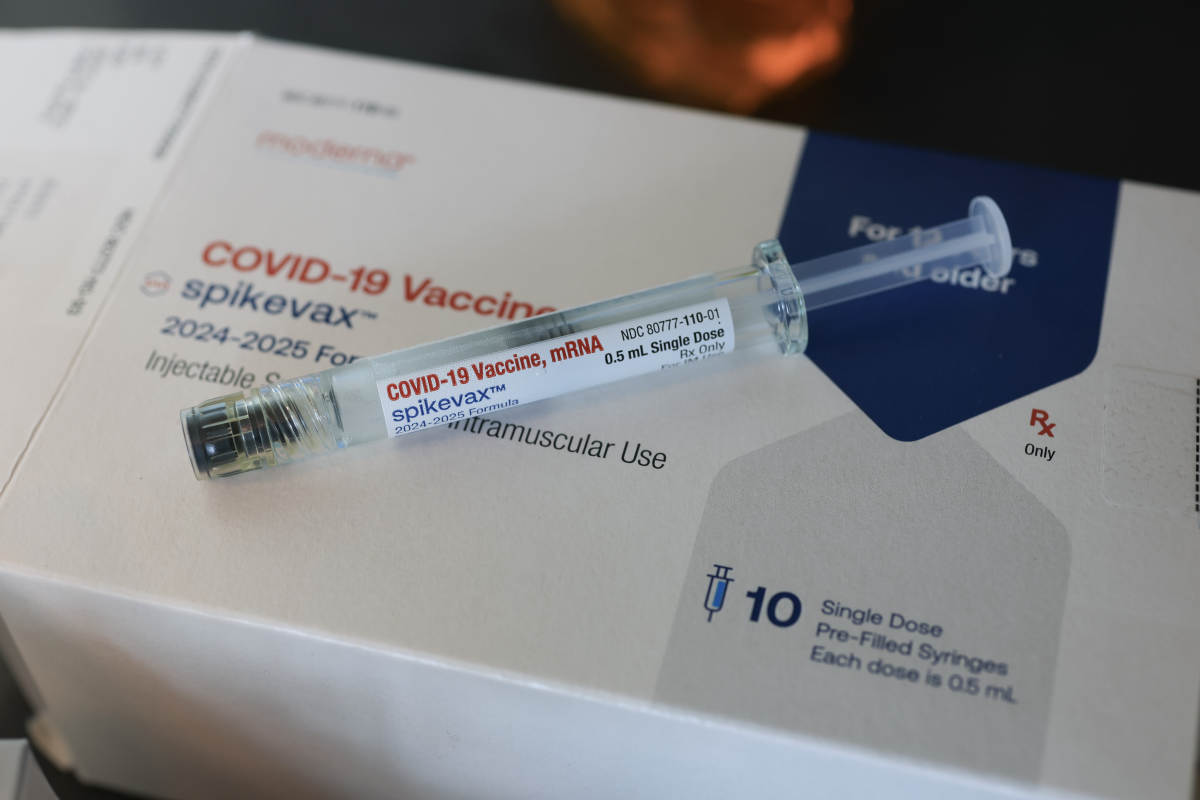
During the announcement, Kennedy reiterated efforts to examine vaccines in relation to autism, a claim widely debunked. "One area we are closely examining is vaccines," Kennedy said. "It will take time for an honest look at this topic by scientists. We will be uncompromising and relentless in our search for answers."
Acetaminophen Research Findings
Recent studies on acetaminophen yield mixed results. An August review in BMC Environmental Health, co-authored by Harvard's Dr. Andrea Baccarelli, suggested a strong link between prenatal use and ASD, advising cautious use under medical guidance. Conversely, a large 2024 Swedish study of nearly 2.5 million people found no association between acetaminophen during pregnancy and autism risk in children.
Researchers note that initial perceived risks may stem from underlying conditions like fevers or infections treated with acetaminophen, rather than the drug itself. The American College of Obstetricians and Gynecologists emphasized that untreated conditions during pregnancy pose greater dangers than theoretical drug risks.
Leucovorin as a Potential Treatment
Leucovorin shows early promise for autism treatment but lacks definitive conclusions. Folate deficiency during pregnancy is known to increase neural tube defect risks, and some children with autism-like symptoms have impaired folate transport to the brain. Small trials in various countries have reported modest language improvements with folinic acid, yet larger studies are limited due to expired patents and reduced pharmaceutical funding.
Ongoing Controversies
Monday's announcement is expected to spark debate within the autism community. ASD diagnoses have surged by about 300% over two decades, which Trump attributes to environmental factors. "There's something artificial," he claimed. "They're taking something."
In contrast, decades of research describe ASD as a complex neurodevelopmental condition influenced by genetic and environmental factors, with rising rates often linked to broader definitions and increased awareness rather than toxins. Experts caution that premature claims without solid science could cause unnecessary alarm. "A press statement that talks about a potential association will cause lots of fear," Dr. Debra Houry, former chief medical officer of the CDC, told reporters. "If there is not the science to back it up, we will see practice changes, worried moms, all sorts of things, and that's not appropriate."