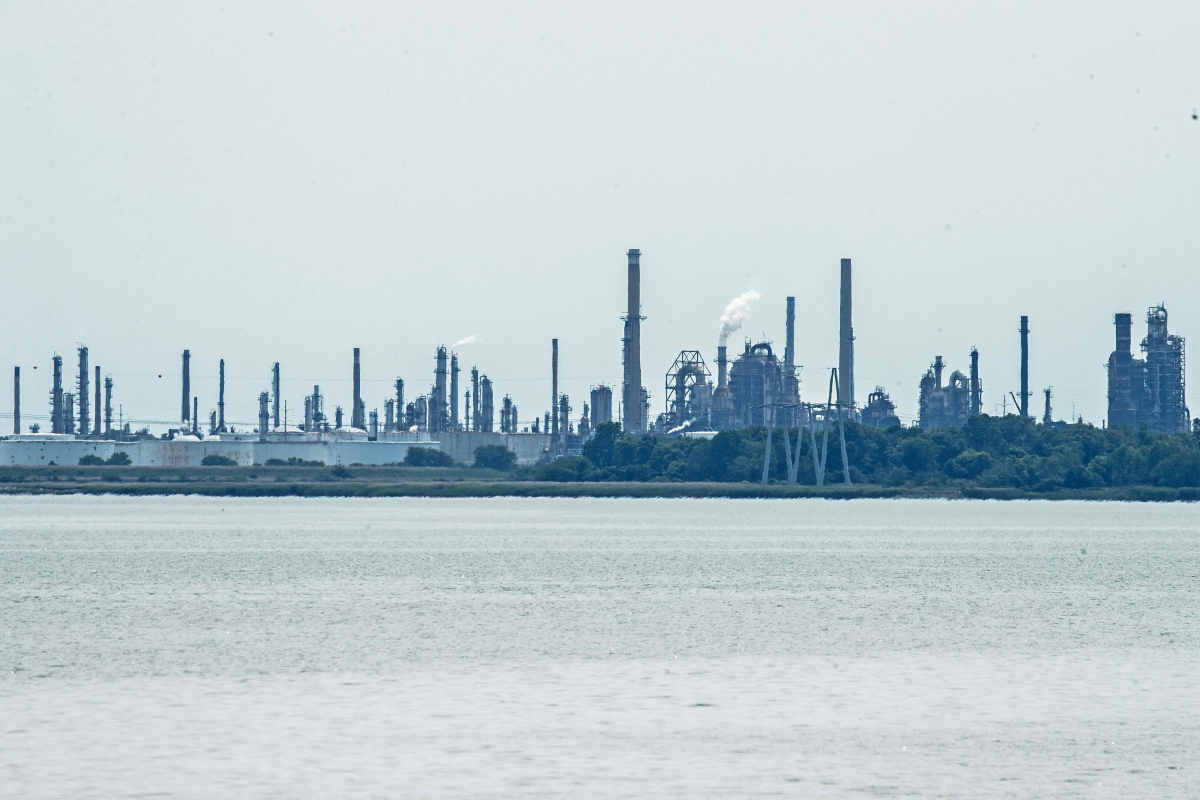
The Delaware City Refinery has reported another sulfur dioxide emission, marking the latest in a series of environmental incidents this year. According to reports from the Delaware Environmental Release Notification System, a gas compressor malfunction on December 14 led to the discharge of approximately 1,000 pounds of sulfur dioxide.
"The release is ongoing during the flare event," stated the official notification. A subsequent report on December 15 indicated that compressor issues were causing intermittent flaring at the facility, resulting in emissions exceeding 100 pounds of sulfur dioxide per hour during these episodes.
Nikki Lavoie, a spokesperson for the Delaware Department of Natural Resources and Environmental Control, confirmed that refinery officials reported the intermittent flaring had ceased by December 15. This incident follows more than 30 pollution events at the refinery this year, with over 20 classified as "extremely hazardous" by state environmental authorities.
Earlier in December, on the 12th, the refinery exceeded its hourly carbon monoxide limit for six consecutive hours. While this event was not designated as "extremely hazardous" like the sulfur dioxide releases, it adds to the pattern of emissions issues at the facility.
The refinery, operated by PBF Energy, processes up to 180,000 barrels of crude oil daily. PBF Energy describes itself as one of the largest independent petroleum refiners in the United States. Company leadership includes President and CEO Matt Lucey.
Health Impacts of Released Pollutants
Sulfur dioxide exposure can adversely affect the respiratory system, making breathing difficult, particularly for individuals with asthma. The U.S. Environmental Protection Agency notes that children with asthma are especially vulnerable to these effects.
Carbon monoxide reduces oxygen transport in the bloodstream. While outdoor levels rarely reach dangerous concentrations, elevated exposure can be particularly concerning for people with specific heart conditions, according to EPA guidelines.
Pattern of Pollution Incidents
The Delaware City Refinery has recorded more pollution events than any other facility in the state this year. Notable incidents include a March 25 event where a carbon monoxide boiler shutdown resulted in emissions of approximately 262,185 pounds of carbon monoxide and 38,145 pounds of sulfur dioxide. DNREC determined the refinery violated four administrative laws and permit conditions in this case, attributing the incident to employee error.
Between May 25 and June 11, problems with the same carbon monoxide boiler led to sulfur dioxide emissions totaling about 470 tons—exceeding the facility's annual permitted limit. This event was classified as "extremely hazardous" and involved violations of seven administrative laws and permit conditions.
Additional incidents include an October 17 flaring event that released over 100 pounds of hydrogen sulfide and approximately 2,500 pounds of sulfur dioxide within 15 minutes. In late November, a mechanical failure caused a butane release initially reported as 1,000 pounds per hour, though subsequent investigation revealed the emission continued for 19 hours between November 26 and 27.
Following the butane incident, DNREC required the refinery to install fenceline monitoring sensors. While no public health threat was identified, the extended duration before detection prompted this regulatory action.
Other unreleased hazardous incidents this year include sulfur dioxide emissions due to compressor failures on August 2 (94 pounds) and June 27 (100 pounds), along with a January 25 carbon monoxide release exceeding 1,000 parts per minute within one hour.
Despite multiple notices of violation issued by DNREC for various incidents, no fines have been imposed to date. The refinery has not responded to recent requests for additional information regarding these ongoing environmental concerns.