Survey Insights on Technology Perceptions
A recent opinion research study conducted in Pennsylvania has gathered extensive data regarding public attitudes toward artificial intelligence and data center development. The investigation examines both skeptical and optimistic perspectives on these technological advancements.
Media Influence on AI Views
Participants were asked if they had watched the film "The Terminator." Those who had seen the movie demonstrated greater skepticism toward AI. Approximately 32% of viewers considered AI a "significant threat," compared to 24% of non-viewers. Conversely, only 8% of viewers believed AI posed "no threat at all," versus 16% of those who hadn't seen the film. With a sample size of 2000 respondents, this finding is statistically significant (p < 0.002).
While we cannot definitively claim James Cameron altered public opinion trajectories, we observed age differences among movie viewers. Interestingly, for questions about AI's environmental or economic effects, no differences emerged between viewers and non-viewers.
Data Center Perspectives
Most Pennsylvania residents express satisfaction with current energy delivery systems, with surprisingly stable perceptions of energy prices. While 60% report increasing electric bills, nearly 40% indicate their bills have remained constant or decreased.
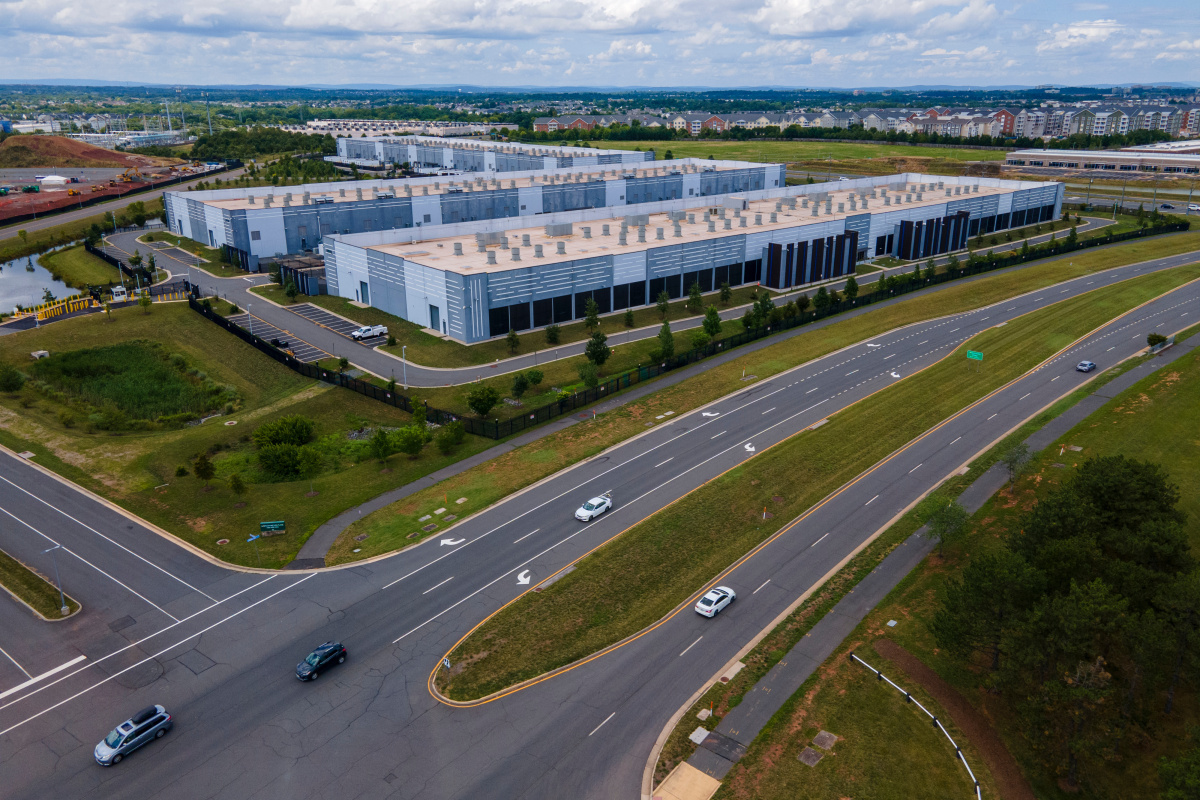
Familiarity with data centers is moderate, with 56% reporting some knowledge and 44% indicating limited understanding. Support for local data center construction stands at 38%, with 35% opposed. When considering statewide development, opinions shift slightly negative (38% support, 48% oppose). Community-level proposals face stronger resistance at 33% support versus 55% opposition.
Pennsylvanians overwhelmingly express concern about data centers' water and electricity consumption. However, optimism prevails regarding economic contributions, with 45% believing centers would create regional jobs versus 19% who disagree. Environmental concerns remain prominent (18% positive, 44% negative), as do living cost worries (38% positive, 24% negative).
Strong support exists for requiring data centers to provide their own electricity (70% favor, 5.5% oppose), though this weakens if fossil fuel demand increases. The issue demonstrates moderate political salience, with 30% more likely to support anti-data center candidates, 24% less likely, and 46% indicating no difference. Democrats and college-educated voters show particular skepticism.
Artificial Intelligence Sentiment
Overall pessimism characterizes AI perceptions, with 25% expecting positive economic effects versus 48% anticipating negative impacts. Environmental concerns follow similar patterns (21% positive, 46% negative). Job market expectations are particularly bleak, with only 16% foreseeing increased employment opportunities and 55% predicting decreased availability. Approximately 22% know someone directly affected by AI-related job loss.
Middle-aged respondents express the most negative views, with only 17% believing AI would benefit the economy, compared to 32% of 18-29 year-olds and 24% of those over 60. This demographic also shows greatest environmental concern regarding AI.
Asian respondents demonstrate exceptional optimism, with 60% anticipating economic benefits versus 17-32% among other racial groups. Environmental optimism follows similar patterns (43% positive among Asians versus 17-35% elsewhere). Union members generally express pessimistic outlooks.
Pennsylvania residents exhibit conflicted attitudes toward emerging information technologies. While concerned about environmental impacts and supportive of protective measures, they recognize these technologies represent future economic directions. Guarded optimism exists regarding potential job creation, particularly for data centers. For some, cinematic depictions of technological threats remain vividly influential.