
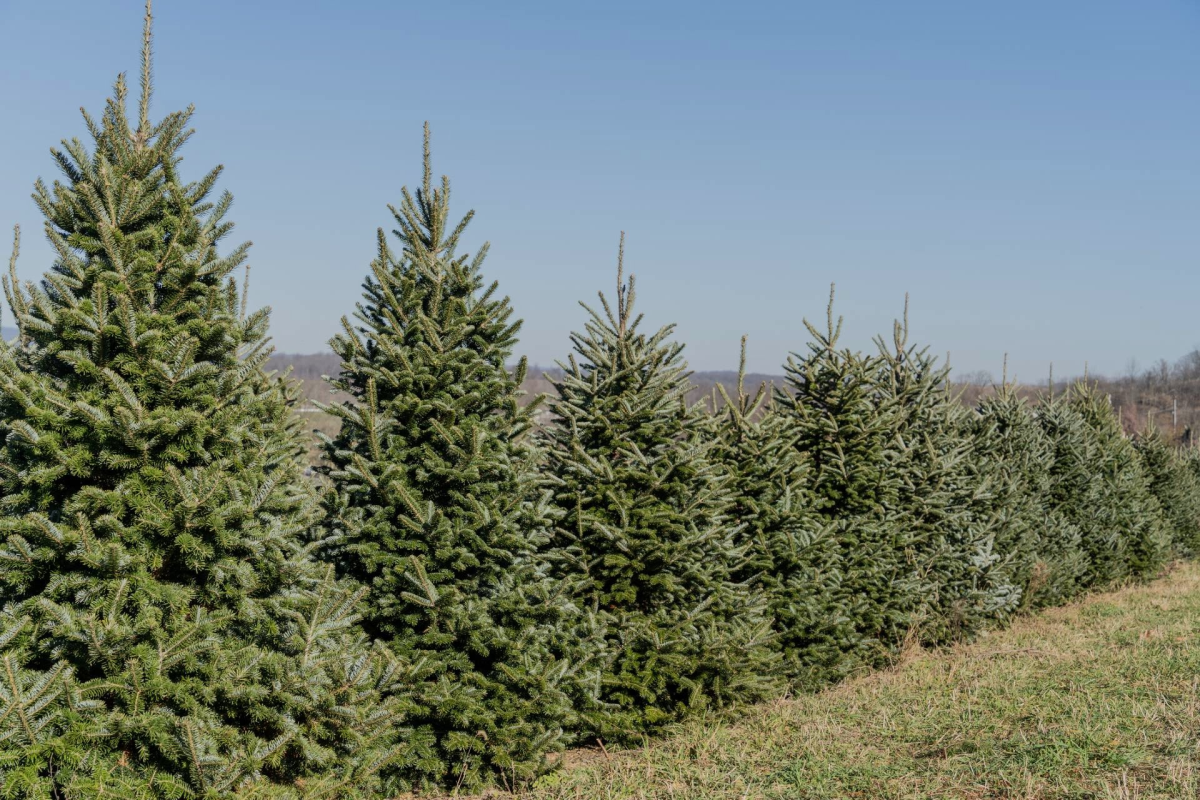
Beyond seasonal harvesting, evergreen trees in New Hampshire confront a significant challenge from ongoing dry conditions that endanger the region's holiday traditions.
The Situation
As a leading producer of Christmas trees nationwide, New Hampshire dedicates extensive acreage to evergreens, yielding tens of thousands annually for festive celebrations.
Growers remain anxious as the state works to overcome moderate to severe drought, with Valley News reporting continued concerns about precipitation levels.
The impact timing is crucial. While mature trees experienced limited immediate harm during dormancy, younger specimens face greater risks. Seedlings and saplings depend on regular moisture, and prolonged dryness into spring—when growth resumes—could halt development completely.
Steve Roberge, state forester with the University of New Hampshire Cooperative Extension, cautioned that extended dry periods might result in "some very slow growth or no growth at all … there may be a lot of mortality."
Long-Term Implications
Christmas trees represent a slow-growing crop, typically requiring nearly ten years to reach maturity before becoming holiday centerpieces. Consequently, current damage may not become apparent until years later.
If young trees perish, farmers cannot simply replant to resolve the issue, making future shortages increasingly difficult to prevent.
This challenge extends beyond a single difficult season. Soil now dries more rapidly than historically, with rainfall arriving later or in intense bursts. When heavy rains finally occur, much water runs off before trees can absorb it, leaving young roots struggling despite precipitation.
While dry periods have always occurred, scientists indicate human-caused warming intensifies weather patterns, increasing drought frequency and complicating recovery.
As soils remain dry, forests become more susceptible to fires, reservoirs refill more slowly, and seasonal industries—from maple syrup production to autumn foliage tourism—face growing uncertainty.
Response Measures
Tree producers are taking active measures rather than waiting passively for rain. Many are monitoring soil moisture closely, adjusting spacing for younger trees, and modifying planting schedules to enhance seedling survival during dry periods.
Extension programs throughout New Hampshire track statewide conditions, providing recommendations on optimal planting times and when to delay operations.
Consumers can contribute by purchasing locally grown trees, maintaining proper indoor watering, and ensuring responsible post-holiday recycling.
Collectively, these approaches help agricultural operations adapt to a future where even longstanding traditions increasingly depend on reliable water access.