Food Insecurity Escalates Among Early Childhood Professionals
Recent findings from Stanford University's Center on Early Childhood indicate a troubling increase in hunger among those working in early care and education. The situation shows little promise of near-term improvement.
In June, the RAPID Survey Project at Stanford discovered that 58% of surveyed early care and education providers were facing food insecurity. This assessment was based on six criteria established by the U.S. Department of Agriculture to measure hunger. These professionals, working across various roles and settings, aren't merely confronting higher prices at supermarkets; they're reducing meal sizes, skipping eating altogether, and experiencing hunger due to financial constraints.
Phil Fisher, who leads the Stanford Center on Early Childhood, described the baseline hunger rates as "unacceptable to begin with," while calling the recent surge both "alarming" and "concerning."
"The early care and education workforce is incredibly vulnerable to economic trends," Fisher explained. "Part of it is just how close to abject poverty many [educators] are."
Early educators typically earn about $13.07 per hour, ranking among the lowest-paid occupations in the country. Approximately 43% depend on government assistance programs like Medicaid and food stamps to manage daily expenses.
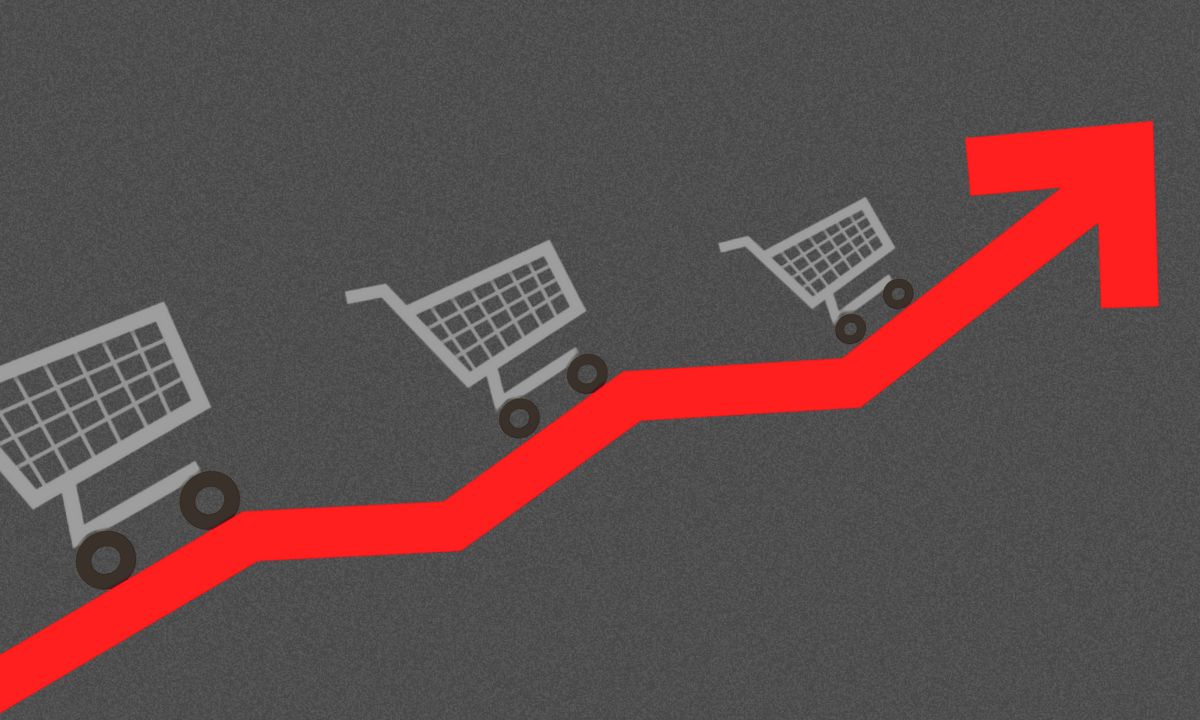
When inflation occurs, these workers are among the first to feel its impact. Food prices have climbed nearly 30% since February 2020, creating additional strain.
"Food is very expensive," noted Isabel Blair, a Michigan-based child care provider with nearly two decades of experience who recently closed her program. "It's hard for families earning minimum wage to cover their basic needs — housing, child care and food."
Blair specifically mentioned dramatic price increases for eggs and fresh produce, both essential items in early education settings. "You go to the grocery store, and the fresh vegetables are very expensive. For a tomato, you pay like three bucks. Or a dozen eggs, you pay close to $4 now," she said. "Feeding the children, you have to provide breakfast, a snack and lunch. Some programs offer dinner. Add those up, and it's very costly."
RAPID survey participants provided written comments detailing how grocery inflation affects their households. A Colorado teacher reported, "We're skipping meals so the kids can eat. Grocery prices are through the roof."
A Washington center director wrote, "Grocery bills continue to rise and we are having to cut back on what we buy and redo our menu at home to be able to afford the same amount of food we were buying just months ago..."
An Indiana center director stated, "The cost of groceries is going up and I can't afford enough food ... to last the entire month. We have to skimp on meals or bring leftovers from work home for the kids to eat."
Cristi Carman, directing the RAPID Survey Project, characterized the impossible choices providers face between purchasing food and paying bills as "really, really devastating." Both Carman and Fisher emphasized that caregivers struggling with hunger cannot provide optimal environments for children.
"That's not humane circumstances for individuals in any role, especially when they're caring for the youngest children," Carman stated. "They're not operating under the best set of circumstances. They're operating at reduced need."
Fisher added that many providers purchase groceries not only for themselves but also for children in their programs. When providers experience hunger, the children they serve are often affected through substitutions like canned goods instead of fresh produce or carbohydrates replacing proteins.
Despite the severity of this food insecurity crisis, grocery prices aren't anticipated to stabilize soon. Import tariffs have increased costs for many food items, while disruptions to nutrition assistance programs during government shutdowns have left many without benefits for extended periods.
"We're not expecting these things to get better in the short term," Fisher concluded. "If anything it will either reach a ceiling or continue to spiral."