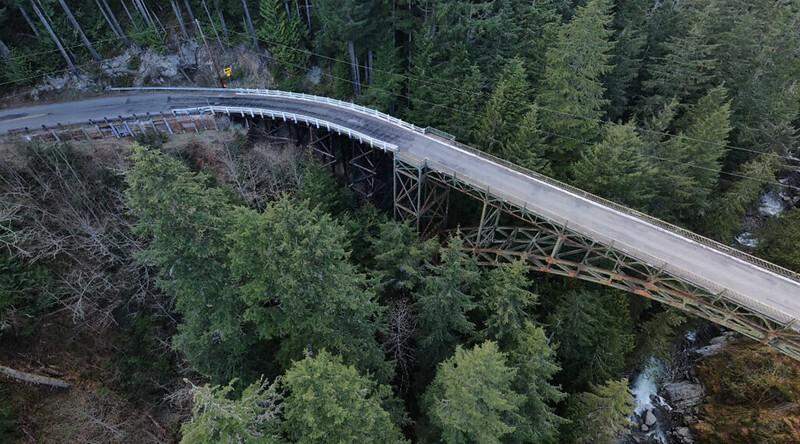
A legislative proposal has been put forward to accelerate the reconstruction of the Carbon River Fairfax Bridge, which was shut down for safety concerns on April 22. The closure has severely affected local communities and access to Mount Rainier National Park.
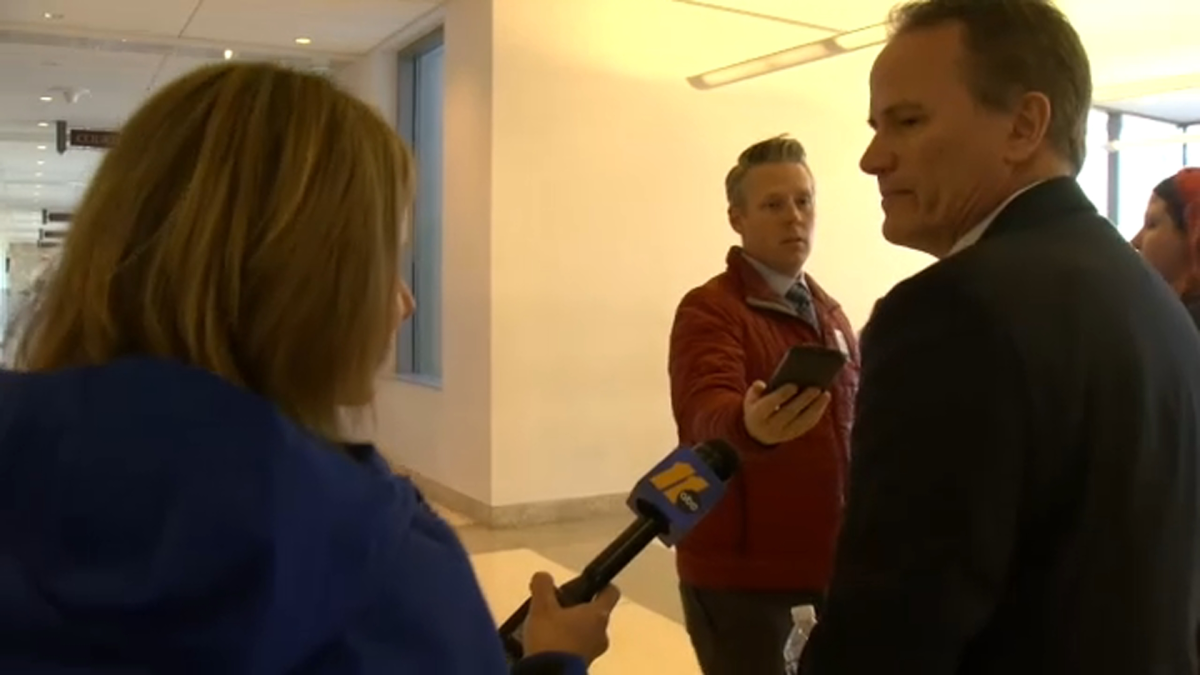
Jayme Peloli, the mayor-elect of Wilkeson, explained to The News Tribune that House Bill 2149 establishes a clear plan to overcome bureaucratic obstacles. "It's basically creating a roadmap for this particular situation to bypass the red tape and get something going on this bridge, and paying for a new one, putting it up and not waiting – because right now, there is no process and that's why there are no answers," Peloli stated.
The bill was introduced on Dec. 16 by Representatives Andrew Barkis and Josh Penner, both Republicans. It must now proceed through the state House and Senate, with the legislative session beginning on Jan. 12, 2026.
The 103-year-old single-lane bridge served as the sole route from state Route 165 to important sections of Mount Rainier National Park, including Mowich Lake, Tolmie Peak, and Spray Park. Its closure has isolated residents in Carbon Canyon and hurt Wilkeson businesses that depend on park tourism. An alternative route offers only limited access.
Peloli had earlier requested an investigation into the Washington State Department of Transportation's failure to maintain the bridge, which hadn't been painted since 1988. WSDOT cited insufficient legislative funding for statewide bridge repairs as the reason.
"Right now, there's no legislative bill or anything that's put in place for state-neglected transportation or anything that was neglected by the state," Peloli told The News Tribune. "Essentially, you cannot declare it an emergency – it has to be hit by a truck, or bombed, or some kind of natural disaster. There's no legislative pieces that support the infrastructure if it's neglected by the state or it's the state's fault. There's no roadmap to fix that."
Bill's Purpose and Impact
If enacted, the legislation would classify the bridge closure as an emergency, enabling WSDOT to sidestep legal delays and access funding otherwise unavailable. This emergency status would permit the use of state climate investment account money for a new bridge.
"It's a special situation on its own, it doesn't necessarily set the pathway moving forward for a similar situation," Peloli said. "But it directs WSDOT to restore access and quickly to do it, to expedite the planning. We don't want to have unnecessary delays, so it basically allows for temporary suspension of statutory or legal requirements that would hinder an emergency response."
The bill text indicates that during the 2025-2027 and 2027-2029 fiscal periods, the legislature could fully fund emergency infrastructure replacement on Route 165 due to climate impact neglect.
Potential Solutions Under Consideration
Following the closure, WSDOT initiated a $1.5 million study evaluating seven options with varying costs and timelines. By August, two alternatives remained:
- Constructing a new bridge north of the current site.
- Removing the existing bridge without replacement, maintaining the area's inaccessibility.
Building a northern replacement is estimated at $160 million over six years, while demolition without replacement would cost $70-80 million and take about three years. WSDOT currently lacks funding, so timelines would commence once financing is secured.
"The current infrastructure, the original bridge that was put there, you don't see those bridges anymore in general. It was made for that exact situation 103 years ago," Peloli noted. "The terrain is very unique to that location and it sits over the Carbon River, so I think it's going to take a lot of planning and a lot of people coming to the table with ideas and what it looks like. But I realized, and Rep. Barkis realized, that even if they were to find a path forward, the biggest hurdle would be the funding."
Peloli emphasized that an emergency declaration would speed up solution development.
Community Advocacy and Response
Peloli described the bill's introduction as "emotional" for herself, Fairfax residents, and park users. "It's emotional for me, it's emotional for the Fairfax residents, anybody who enjoys being up in the park and using those public lands," she said. "This is something we've been working really hard to get eyes on."
In a Dec. 17 Facebook post, Peloli framed the bill as evidence of community-driven change. "For a long time, it felt like our concerns were dismissed, minimized, or treated as something small. But we kept showing up. We asked questions. We dug deeper. We spoke up even when it was uncomfortable," Peloli wrote. "And little by little, the truth started to come out. This work has never been about headlines or recognition. It's about protecting our town, our mountain, our public lands, our history, our safety, and our future."