EPA Shifts Formaldehyde Safety Standards
The Environmental Protection Agency under President Trump has initiated proposals to raise what it considers acceptable exposure levels to formaldehyde, a widely recognized carcinogen. This move would maintain current exposure risks in numerous household and industrial products, according to health experts.
Widespread Chemical Presence
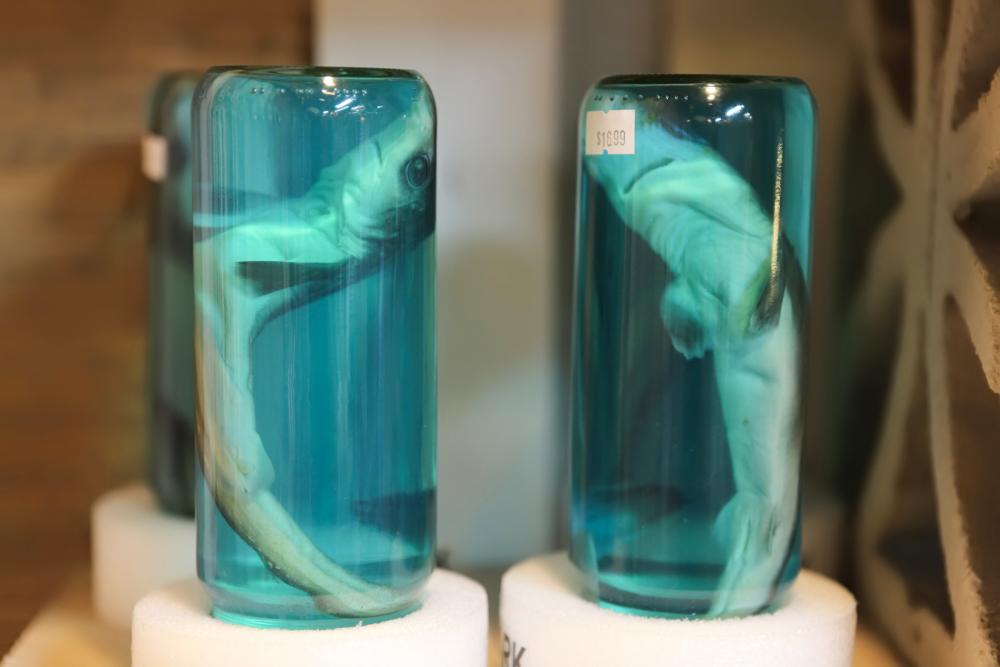
Formaldehyde, a colorless gas with a strong odor at room temperature, appears in countless everyday items including cosmetics, cleaning supplies, furniture, clothing, plastics, and building materials. During the Biden administration, EPA scientists concluded that any exposure to this chemical could cause cancer, with even minimal amounts leading to other health issues.
Chemical manufacturers, who produce billions of pounds of formaldehyde annually in the United States, vigorously contested these earlier risk evaluations. Industry representatives who previously challenged the EPA's formaldehyde assessments have now been appointed by the Trump administration to lead relevant agency divisions, where they are working to revise the scientific conclusions.
"When you have chemicals that are this ubiquitous and this toxic, they really call out for strong regulations," stated Jonathan Kalmuss-Katz, an Earthjustice attorney specializing in toxic chemical litigation. "You really need the government to do its job and provide protections."
Regulatory Rollback
Beyond its cancer-causing properties, formaldehyde has been associated with respiratory problems, pregnancy loss, and fertility complications. Despite chemical industry resistance, the Biden EPA finalized its formaldehyde risk assessment in January, which would have informed regulations limiting or banning the substance in consumer goods and workplaces.
The chemical's versatility explains its prevalence in products. Manufacturers incorporate it as a preservative in cosmetics and personal care items, as a binder in composite wood for furniture and cabinets, and as an anti-mold agent in textiles. Plastics often contain formaldehyde for heat resistance, while furniture foam and mattress producers use it as an adhesive or antimicrobial.
Since formaldehyde evaporates from products into the air, inhalation represents the primary exposure risk. Both the Biden and Trump administrations focused their assessments on this inhalation pathway.
Assessment Methodology Changes
Current toxic chemical regulations contain significant limitations, particularly their failure to account for cumulative exposure across multiple products. For instance, when evaluating formaldehyde in cosmetics, regulators don't consider additional exposure from furniture, vehicle interiors, or other items people encounter daily.
This limitation made the Biden EPA's findings particularly significant, as they would have reduced exposures comprehensively. The Biden administration identified 58 situations where formaldehyde posed "unreasonable risk" to human health, with the Trump administration now reversing five of these determinations.
"Any sort of protections are going to be much weaker than they would have been," remarked Maria Doa, chemicals policy director at the Environmental Defense Fund.
The Trump EPA's revised approach establishes exposure thresholds below which risks are considered negligible. This represents a departure from the traditional "linear" assessment method that assumes cancer risk exists at any exposure level, which has long been the EPA standard and an industry target.
Industry Influence
The EPA's chemical safety office is now led by two former American Chemistry Council executives, a trade organization representing approximately 200 major chemical manufacturers that has endorsed the agency's new position.
Nancy Beck serves as the EPA's deputy assistant administrator, while Lynn Dekleva holds the same position in the Office of Chemical Safety and Pollution Prevention. As recently as 2022, Dekleva helped coordinate challenges to the EPA's formaldehyde findings that she now works internally to overturn. The EPA maintains that both officials' involvement complies with federal ethics requirements.
The proposed changes contradict scientific consensus from across federal agencies and independent researchers regarding formaldehyde's dangers. The Environmental Defense Fund's Maria Doa criticized the new assessment for selectively using data, noting that legal challenges must await completion of the regulatory process. "What they're doing is scientifically horrendous and not correct," Doa added. "It's such chutzpah."