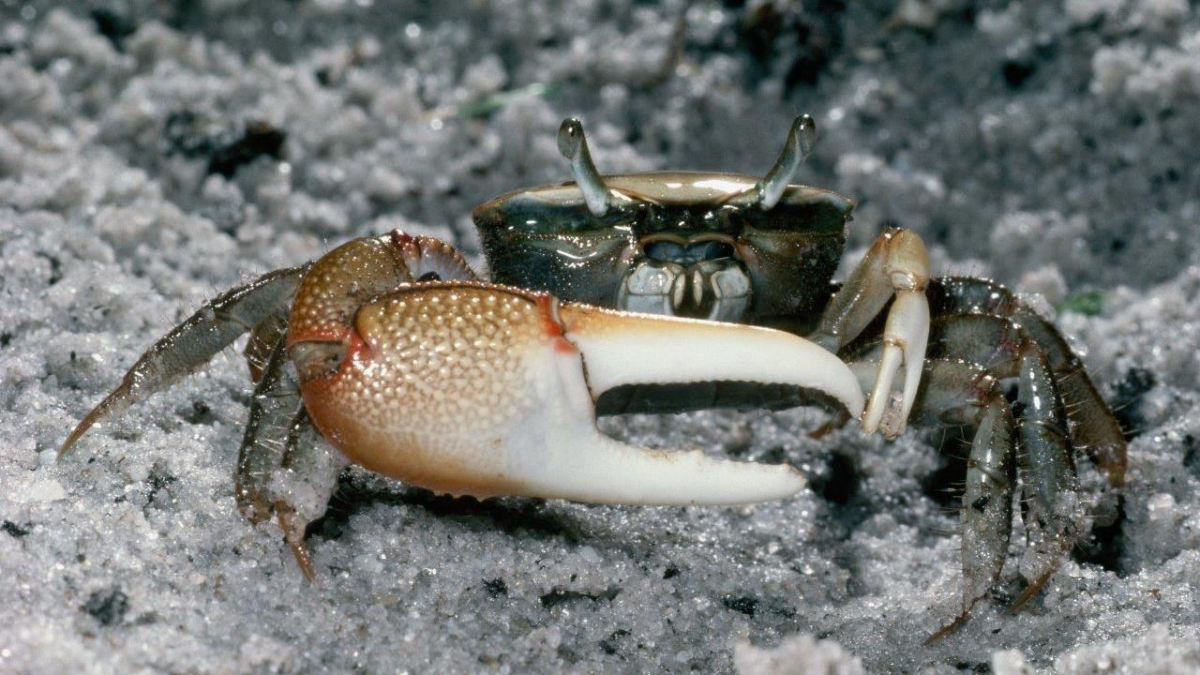
Researchers have identified an unexpected contributor to microplastic degradation in coastal ecosystems. A study conducted in Colombia's heavily contaminated mangrove forests reveals that fiddler crabs consume significant amounts of plastic particles from sediment.
Rapid Breakdown Process
The investigation demonstrated these crustaceans can fragment plastics within mere days. However, this accelerated decomposition raises concerns about the potential release of harmful nanoplastics into crab tissues and subsequently into broader food webs.
Tamara Galloway, professor of ecotoxicology in Exeter's Department of Biosciences, said: "Until now, we did not know whether they avoided plastic in the natural environment or would adapt to its presence."
Thriving in Contaminated Habitats
The research focused on the Gulf of Urabá, an area documented with some of the world's highest plastic pollution levels. Despite extreme contamination, fiddler crab populations appear to be flourishing there.
Daniela Díaz, of the Universidad de Antioquia, said it showed living creatures were finding ways to cope with pressures.
"The results could lead to a better understanding of how animals adapt to pollution and the fate of plastics in the environment."
The study involved examination of 95 crabs and was led by Professor José M. Riascos, with collaboration from multiple institutions including Universidad de Antioquia and the University of Exeter.