Limited Information on Hunt Progress
Florida's wildlife management agency has not released any details about the ongoing black bear harvest, including the number of animals taken, as the season continues through December 28. This marks a significant departure from the approach taken during the previous hunt in 2015.
Criticism of Agency Secrecy
"Are we overkilling like in 2015?" questioned Joe Humphrey, a Seminole County resident who hunts but disagrees with the Fish & Wildlife Conservation Commission's stance that the harvest won't harm the species. "They don't want us to know."
Chuck O'Neal, founder of Speak Up For Wildlife, described the agency's lack of openness as reflecting "total arrogance" toward public concerns. He called on FWC Executive Director Roger Young to stop the hunt immediately.
"It's clear this hunt was all about providing a special opportunity for hunters," O'Neal stated. "It was never about accountability or weighing both sides, realizing a great majority of Floridians were and are against this hunt. It's just a big 'F.U.' to the non-hunting public."
Defense of Current Approach
Chuck Echenique, president of The Future of Hunting in Florida, supported the agency's decision not to provide regular updates. "This frothing over the numbers is ridiculous," he communicated via text. "When you have a set number of tags, you know that you cannot exceed the total number of bears for which you issued permits. Wasting man hours and resources to provide daily counts and updates is a waste of time and energy."
Changes in Monitoring Procedures
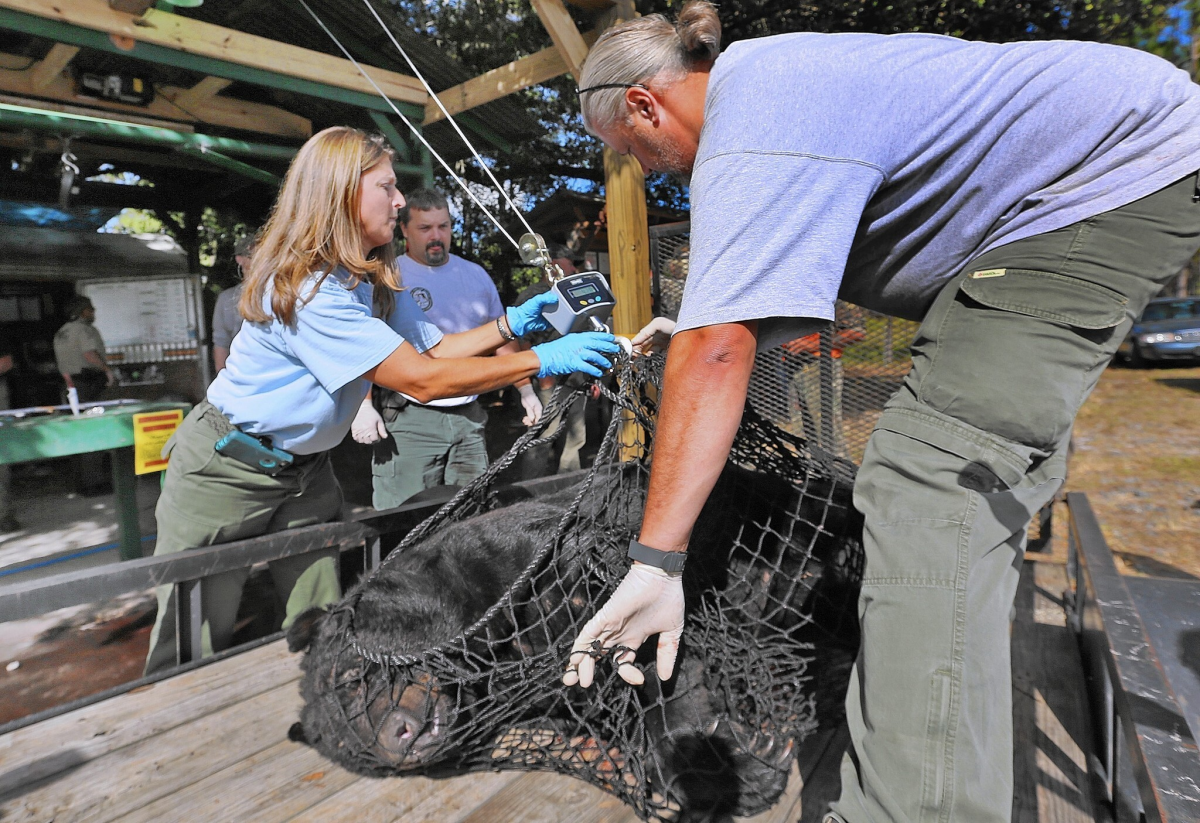
Unlike the 2015 hunt where mandatory check-in stations allowed verification of compliance with regulations, this year hunters are simply instructed to report their harvest through a mobile application. Conservation groups argue this eliminates independent oversight.
"Without those check stations, how do we know this hunt hasn't already gotten out of hand?" O'Neal asked, recalling that in 2015, observers documented violations including the taking of female bears with cubs and underweight yearlings that should have been protected.
Permit System and Reported Activity
The current hunt involves 172 permits distributed across four zones through a lottery system costing $5 per entry. In Central Florida, the harvest limit was set at 18 bears.
Echenique, who participated with permit-holders who took two bears, reported knowledge of approximately a dozen other legally harvested animals. Meanwhile, opposition groups claim up to 50 of their supporters obtained permits to prevent actual hunters from using them.
Allegations of Illegal Activity
O'Neal presented wildlife officials with social media posts suggesting possible poaching, including one that read: "Killed 2 today. Florida is awesome. Going back tomorrow to possibly get the momma and one more kid bearling!"
"This hunt, which was sold to the public as a scientifically based, well-regulated, conservative hunt, has turned into a lawless free-for-all," O'Neal asserted. "The FWC has responded to us with inexcusable silence on these important issues."
Echenique dismissed such claims, stating: "So much bad information, innuendo and pot-stirring taking place. It's disgusting. Anyone who kills a bear without a tag (poaching) isn't going to report their harvest. Poachers are criminals and as hunters we despise them."
Agency Response and Public Information
FWC has declined to answer media inquiries about the hunt, directing requests for information through formal public records channels but then failing to respond to those requests.
The agency later directed the public to its bear hunt webpage for "important and helpful information," though the site contains no details about the current hunt's progress. The webpage does include a video featuring FWC's black bear expert Mike Orlando.
Florida wildlife officials maintain that harvest quotas were established using scientific data as a management tool, consistent with practices in other states. However, critics argue that eliminating physical check stations has created unnecessary suspicion about the hunt's conduct.