Healthcare Subsidy Deadline Sparks Political Maneuvering
WASHINGTON, Dec 19 - Concerns among Republicans about maintaining control of the U.S. House of Representatives intensified this week as four moderate members collaborated with Democratic colleagues in a final attempt to avert healthcare cost increases affecting millions of Americans. The subsidies under the Affordable Care Act are scheduled to terminate after December 31.
Representatives Rob Bresnahan, Brian Fitzpatrick, and Ryan Mackenzie from Pennsylvania, along with Mike Lawler of New York, belong to a broader coalition of approximately twelve House Republicans advocating for bipartisan measures to safeguard constituents in competitive districts. These lawmakers have been promoting reforms to extend healthcare assistance that would otherwise lapse.
Political Stakes in Swing Districts
These moderates represent a vital segment of the House, occupying around three dozen of the 435 seats anticipated to be closely contested in November's midterm elections. The outcomes will determine whether Republicans retain their majority or Democrats seize control.
However, negotiations with Republican leadership stalled due to disagreements over conservative provisions that moderates found unacceptable. "We wanted an up or down vote," stated Lawler, who faces a highly uncertain reelection bid in his district north of New York City. "Unfortunately, leadership found every way not to let that happen. And so, we were left with no choice but to sign the clean three-year (Democratic) extension and force a vote."
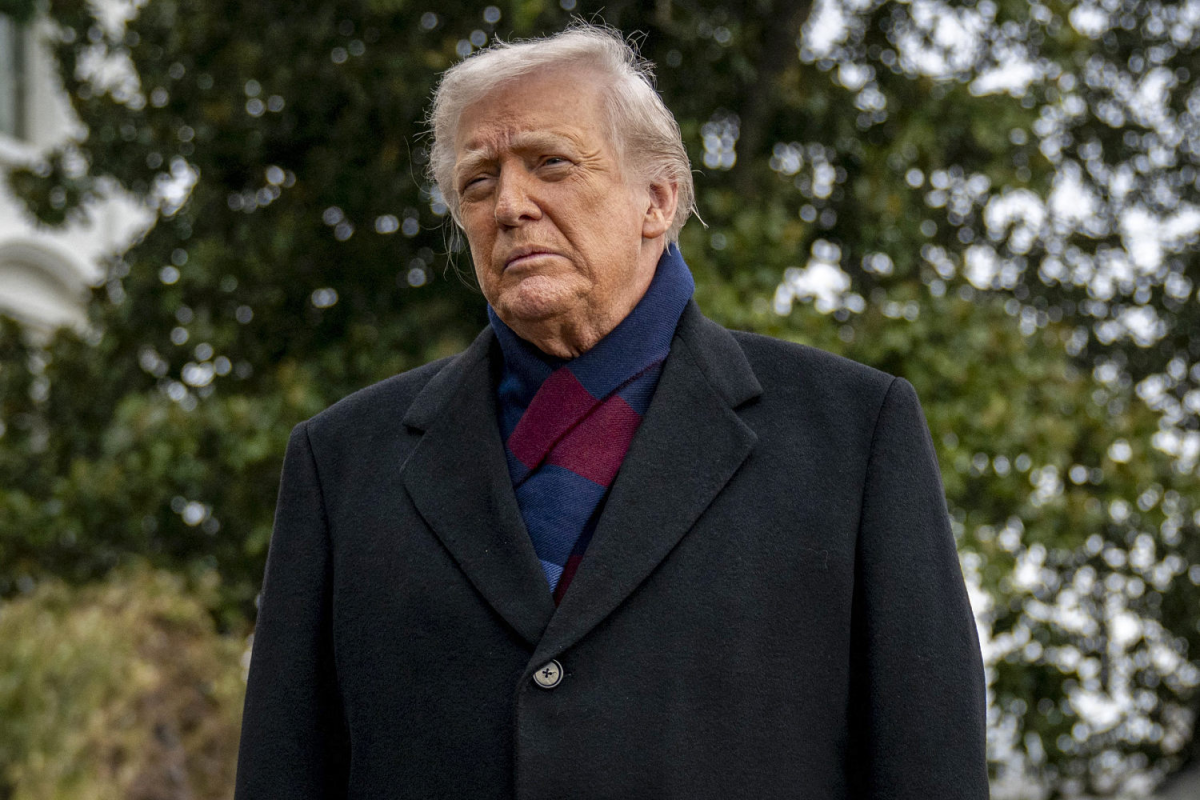
Independent analysts note that Republicans confront electoral challenges, including declining approval ratings for former President Donald Trump, public frustration over inflation, and historical trends that often disadvantage the incumbent president's party during midterms.
Subsidy Expiration and Electoral Consequences
With Congress failing to extend healthcare subsidies, moderate Republicans—essential for GOP control on Capitol Hill—face increased political risks as premiums for Affordable Care Act beneficiaries are set to surge starting January 1.
"In the event of a Blue wave next year, the members in the competitive seats are the ones who are going to pay the price, even if they're the ones who want to restore these Obamacare subsidies," commented Kyle Kondik, a political analyst at the University of Virginia Center for Politics. "They want to at least be able to go on record and say, 'Hey, I voted to extend these subsidies'," Kondik added.
The legislation supported by moderates, introduced by House Democratic leader Hakeem Jeffries, has already been rejected in the Senate. Moderates hope House approval will encourage a bipartisan agreement that could pass both chambers, potentially mitigating premium hikes. Yet, consensus remains uncertain on an issue that has long divided lawmakers, with costs beginning to rise before any vote occurs.
Alternative Legislation and Leadership Perspectives
The House passed a partisan healthcare bill that proposes to reduce premiums for certain individuals while cutting overall subsidies and increasing costs for others, effective January 2027. House Speaker Mike Johnson asserted that he attempted to secure a vote for moderates' proposal and dismissed concerns about their vulnerability post-subsidy expiration.
"These are extraordinary people. They know how to run campaigns, and they're going to have a great record to run on," Johnson remarked, noting plans for additional healthcare cost-reduction votes next year.
Moderate Republicans have avoided framing their subsidy extension efforts in terms of reelection. "We have a healthcare problem we have to fix. That's all I care about. The politics will take care of themselves," said Fitzpatrick, whose Pennsylvania district was won by Democrat Kamala Harris in the 2024 presidential election.
Democratic Strategy and Historical Context
Democrats, viewing healthcare affordability as a pivotal campaign issue, aim to capitalize on Republican inaction regarding ACA subsidies, reminiscent of their 2018 House takeover fueled by GOP attempts to repeal Obamacare.
Trump recently endorsed a Republican plan to provide direct cash payments to offset insurance costs rather than funding insurers, seemingly finalizing the subsidy issue. Democrats intend to attribute Medicaid reductions under Trump's tax legislation and escalating premium costs to Republican policies.
"Between the Medicaid changes and the impending premium spikes, I think that's a more potent issue than was the case in 2018," observed Charlie Dent, a former Republican congressman now leading the Aspen Institute's congressional program.
Electoral Mathematics and Projections
Republicans currently hold a narrow 220-213 House majority, allowing them to lose no more than three seats while retaining control. They confront over a dozen toss-up races and additional contests where Democrats could achieve unexpected wins. Democratic incumbents also face competitive challenges.
Analysts suggest Democrats currently have an advantage, unless Trump's redistricting efforts significantly alter the landscape. Democrats express confidence about November's outcomes. "They're going to lose the House. Hakeem Jeffries will be speaker," declared Democratic Representative Nancy Pelosi, who served as speaker after the 2018 Democratic victory. "There is no question about that, and it will be because of healthcare. Well, healthcare and affordability and corruption," she concluded.