Higher Application Rates for Energy Aid
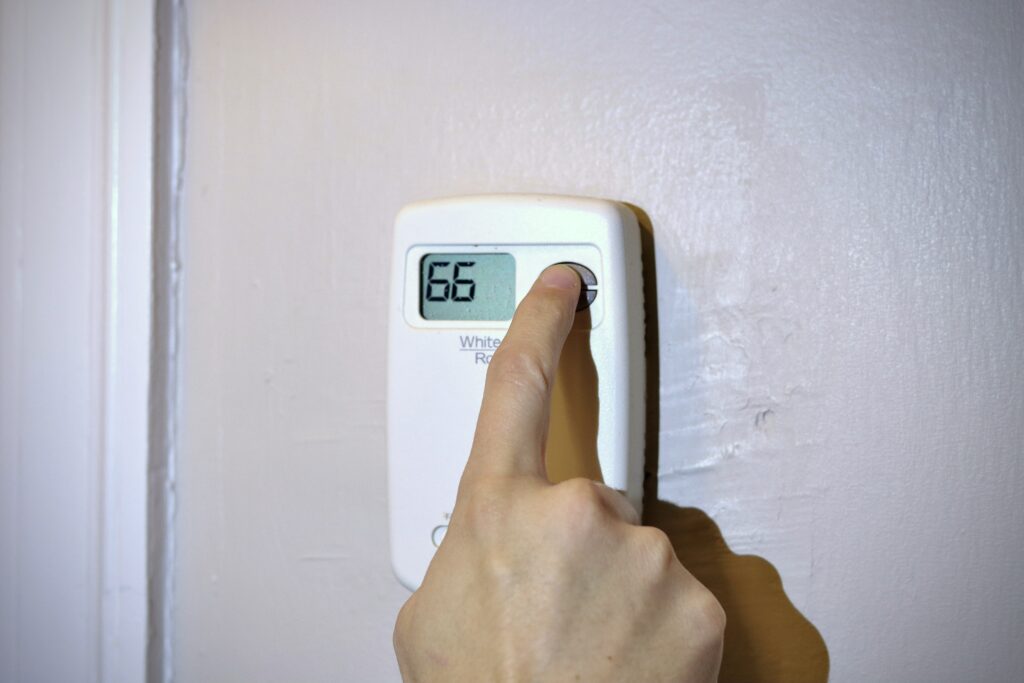
Distributors report that qualified Iowans are seeking federal utility assistance at elevated levels this winter season. The Low-Income Home Energy Assistance Program (LIHEAP), managed by community action associations and the Iowa Department of Health and Human Services, helps households cover heating expenses during colder months.
A Health and Human Services spokesperson indicated that the state is observing "a consistent slightly increased level of need" so far into the winter heating period. The spokesperson added via email that while applications are still being processed, HHS anticipates gaining a "clearer picture" of demand in the coming weeks.
Organizational Insights
Christopher Ackman, communications and volunteers manager at Hawkeye Area Community Action Program (HACAP), which administers LIHEAP, noted the organization has received over 5,700 applications for the winter. Typically, HACAP processes around 11,000 applications annually.
"We’re well over halfway to what we normally have in a given year, and we’ve still got until April to go," Ackman said. "This time of year is definitely a big need, and we see a big surplus in applications."
Ackman suggested that sub-zero temperatures experienced across much of the state in early December likely contributed to the rise in applications. He also mentioned that other factors, such as food and energy costs, may influence application numbers.
Broader Economic Context
Although overall inflation rates declined in November, according to U.S. Bureau of Labor Statistics consumer price indexes, prices for food at home and energy saw slight increases. Ackman reported that HACAP, which also operates food banks and offers other services to low-income households, is seeing "higher than normal" demand at its food pantries.
He noted that individuals seeking energy assistance often participate in other HACAP programs. Ackman emphasized that the holiday season typically brings additional need to food pantries and charitable organizations.
"It’s definitely good to always donate to your local food pantries, your local food banks during this time of year, any local nonprofit," Ackman said. "We work with so many other different nonprofits in the community, we’re not competing with them, so anytime you can donate to a homeless shelter or Salvation Army or whatever it may be … it just goes to the greater good of helping."
Utility Company Programs
Utility companies also facilitate assistance through donation-matching programs. Initiatives like MidAmerican Energy's I CARE and Alliant Energy's Hometown Care Energy Fund gather contributions for local community action agencies. Most rural cooperatives and other utilities provide similar services or allow customers to round up their bills to support community networks.
Eligibility and Data
LIHEAP eligibility requires an income at or below 200% of the federal poverty level. Qualified households are also protected from disconnection during the cold season, from November 1 through April 1. Rate-regulated utilities must report data on past-due accounts and disconnection notices.
According to the latest Iowa Utilities Commission data, in November there were 49,299 accounts eligible for energy assistance in Iowa, with 912 receiving disconnection notices. The total number of eligible accounts increased by nearly 21% from November 2024, and accounts with disconnection notices rose by about 9.5% compared to last year.
HHS stated that LIHEAP applications for both owner-occupied and renter-occupied households will be accepted through April 30, 2026. Applications are available online and can be submitted in person, by mail, over the phone, or via email.
Program Funding and Future Outlook
LIHEAP funding faced delays during the government shutdown in October and part of November, but programs received their 2026 fiscal year allocations in late November. The Administration for Children and Families awarded Iowa $52.9 million for the program.
The National Energy Assistance Directors Association, a policy organization for state LIHEAP directors, projects a 9.2% increase in U.S. home heating costs this winter due to rising gas and electrical prices and a colder-than-average season. In a December news release, the association urged Congress to boost LIHEAP funding to address persistent increases in electricity, food, and housing costs, citing factors like higher demand, aging infrastructure, increased interest rates, and regional capacity issues.
The association advocates for expanding renewable generation, modernizing the grid, and investing in weatherization, rooftop solar, and community solar projects.
"The sharp rise in electric prices demands immediate attention," Mark Wolfe, the association’s executive director, said in the release. "We are urging Congress to increase final funding, so families aren’t left behind as energy costs continue to climb."