
Israeli authorities are reportedly preparing to discuss potential military actions against Iran with U.S. President Donald Trump, according to sources familiar with the matter. The focus is on Iran's efforts to rebuild its ballistic missile capabilities following earlier attacks.
Upcoming High-Level Meeting
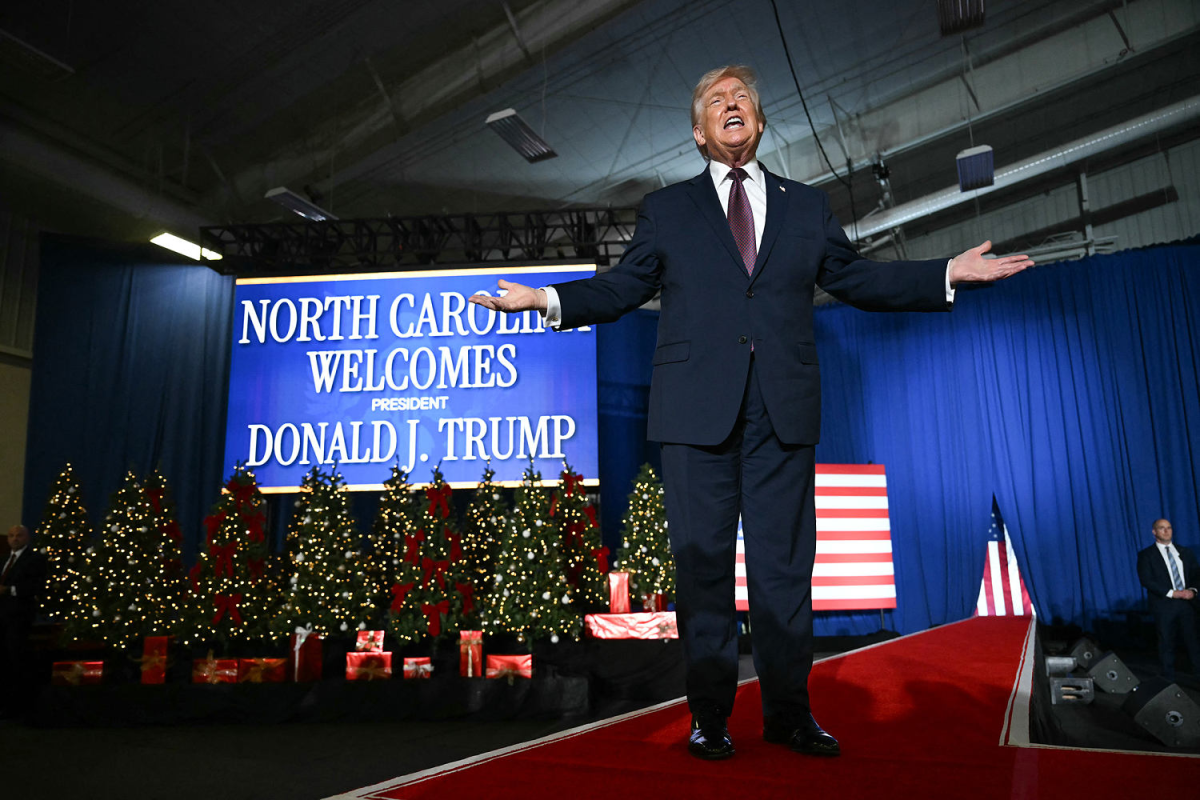
Prime Minister Benjamin Netanyahu is scheduled to meet with President Trump later this month at Mar-a-Lago in Florida. During this meeting, Netanyahu is expected to argue that Iran's missile program expansion represents a significant regional threat requiring prompt attention.
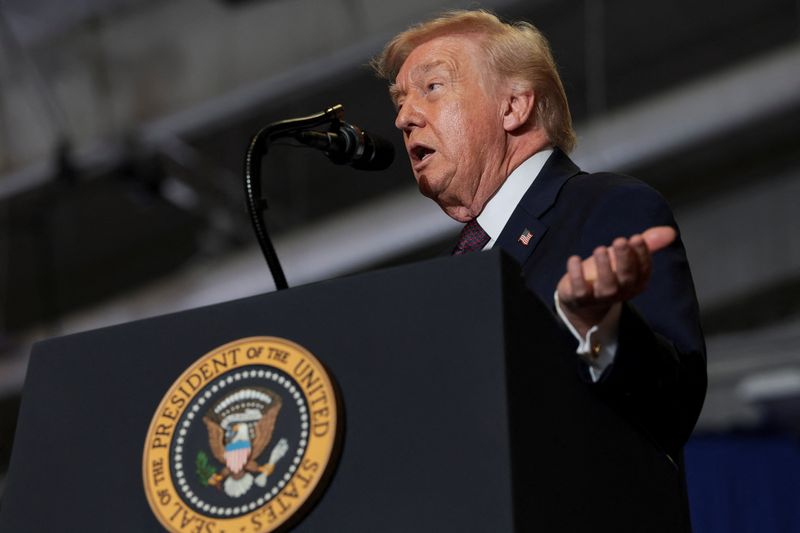
"We haven't set it up formally, but he'd like to see me," Trump told reporters when asked about the December 29 meeting with Netanyahu.
Multiple Security Concerns
Israeli officials have identified several security issues beyond missile development. They are monitoring Iran's attempts to restore nuclear enrichment facilities damaged in June operations and are concerned about Tehran's support for regional proxies.
"The nuclear weapons program is very concerning. There's an attempt to reconstitute. It's not that immediate," said one source with direct knowledge of Israel's plans.
Previous Military Operations
In June, the U.S. conducted Operation Midnight Hammer against Iranian nuclear sites using extensive air power including B-2 bombers. Simultaneously, Israeli forces targeted Iran's ballistic missile facilities. Additional strikes in April and October 2024 damaged Iran's advanced S-300 air defense systems.
"The International Atomic Energy Agency and Iranian government corroborated the United States government's assessment that Operation Midnight Hammer totally obliterated Iran's nuclear capabilities," stated White House spokesperson Anna Kelly.
Potential Military Options
Sources indicate Netanyahu may present Trump with multiple military approaches similar to options discussed before the June strikes. These could range from independent Israeli action to full U.S.-led operations.
Trump has issued warnings about Iran's rebuilding efforts: "But if they do want to come back without a deal, then we're going to obliterate that one, too. You know, we can knock out their missiles very quickly, we have great power."
Regional Context and Challenges
The discussions occur amid other regional developments including potential U.S. military action in Venezuela and ongoing ceasefire implementation between Israel and Hamas. Some analysts suggest Trump might be less receptive to new Iranian strikes if tensions persist over the Gaza ceasefire process.
One former Israeli official noted: "There is no real question after the last conflict that we can gain aerial superiority and can do far more damage to Iran than Iran can do to Israel. But the threat of the missiles is very real, and we weren't able to prevent them all last time."
Israeli assessments suggest unchecked Iranian missile production could reach thousands monthly, significantly enhancing Tehran's defensive capabilities around nuclear sites.