Deadline Approaches for Epstein Document Release
The Justice Department is required to make public its files concerning Jeffrey Epstein by this Friday. Epstein, a convicted sex offender and financier with ties to prominent figures like Donald Trump, had his records previously sealed during Trump's presidency.
Public Demand for Transparency
There has been significant public interest in these documents, as they may provide the most comprehensive view yet of government probes spanning nearly 20 years into Epstein's sexual abuse of young women and underage girls. Many are eager to see if any of Epstein's wealthy and influential associates were aware of or involved in the abuse.
Epstein's accusers have also sought explanations for why federal authorities closed their initial investigation into the allegations in 2008.
Legislative Action and Political Dynamics
Facing pressure from fellow Republicans, Trump signed a bill on November 19 that gives the Justice Department 30 days to release most of its Epstein-related files and communications, including information about the investigation into Epstein's death in a federal jail. The Justice Department has not specified the exact time of release on Friday.
The passage of this law demonstrated notable bipartisanship, overcoming months of opposition from Trump and Republican leadership.
Legal Provisions and Investigations
The law permits redactions to protect victims or ongoing investigations but explicitly prohibits withholding or redacting records due to "embarrassment, reputational harm, or political sensitivity."
On November 14, Attorney General Pam Bondi stated that she had directed a top federal prosecutor to investigate Epstein's connections to Trump's political opponents, including former President Bill Clinton. Bondi acted after Trump called for such an inquiry, though he did not specify the alleged crimes to be investigated. None of the individuals Trump mentioned in a social media post demanding the investigation have been accused of sexual misconduct by Epstein's victims.
In July, Trump dismissed some of his supporters as "weaklings" for believing in "the Jeffrey Epstein hoax." However, both Trump and House Speaker Mike Johnson, R-La., were unable to block the legislation from coming to a vote.
Trump reversed his position on the files once it became clear that congressional action was unavoidable. He argued that the Epstein matter had become a distraction to the Republican agenda and that releasing the records was the best way to move forward.
Background on Epstein Cases
In 2005, police in Palm Beach, Florida, began investigating Epstein after the family of a 14-year-old girl reported she had been molested at his mansion. The FBI joined the investigation, and authorities collected testimony from multiple underage girls who said they had been hired to give Epstein sexual massages.
Ultimately, prosecutors offered Epstein a deal that allowed him to avoid federal prosecution. He pleaded guilty to state prostitution charges involving someone under age 18 and was sentenced to 18 months in jail.
Epstein's accusers spent years in civil litigation trying to overturn that plea deal. One of those women, Virginia Giuffre, accused Epstein of arranging for her to have sexual encounters, starting at age 17, with numerous other men, including billionaires, famous academics, U.S. politicians and Andrew Mountbatten-Windsor, then known as Britain's Prince Andrew.
All of those men denied the allegations. Prosecutors never brought charges related to Giuffre's claims, but her account fueled conspiracy theories about supposed government efforts to protect the powerful. Giuffre died by suicide at her farm in Western Australia in April at age 41.
Federal prosecutors in New York brought new sex trafficking charges against Epstein in 2019, but he killed himself in jail a month after his arrest. Prosecutors then charged Epstein's longtime confidant, British socialite Ghislaine Maxwell, with recruiting underage girls for Epstein to abuse.
Maxwell was convicted in late 2021 and is serving a 20-year prison sentence, though she was moved from a low-security federal prison in Florida to a minimum-security prison camp in Texas after she was interviewed over the summer by Deputy Attorney General Todd Blanche. Her lawyers argued that she never should have been tried or convicted.
The Justice Department in July said it had not found any information that could support prosecuting anyone else.
Existing Public Records and Ongoing Interest
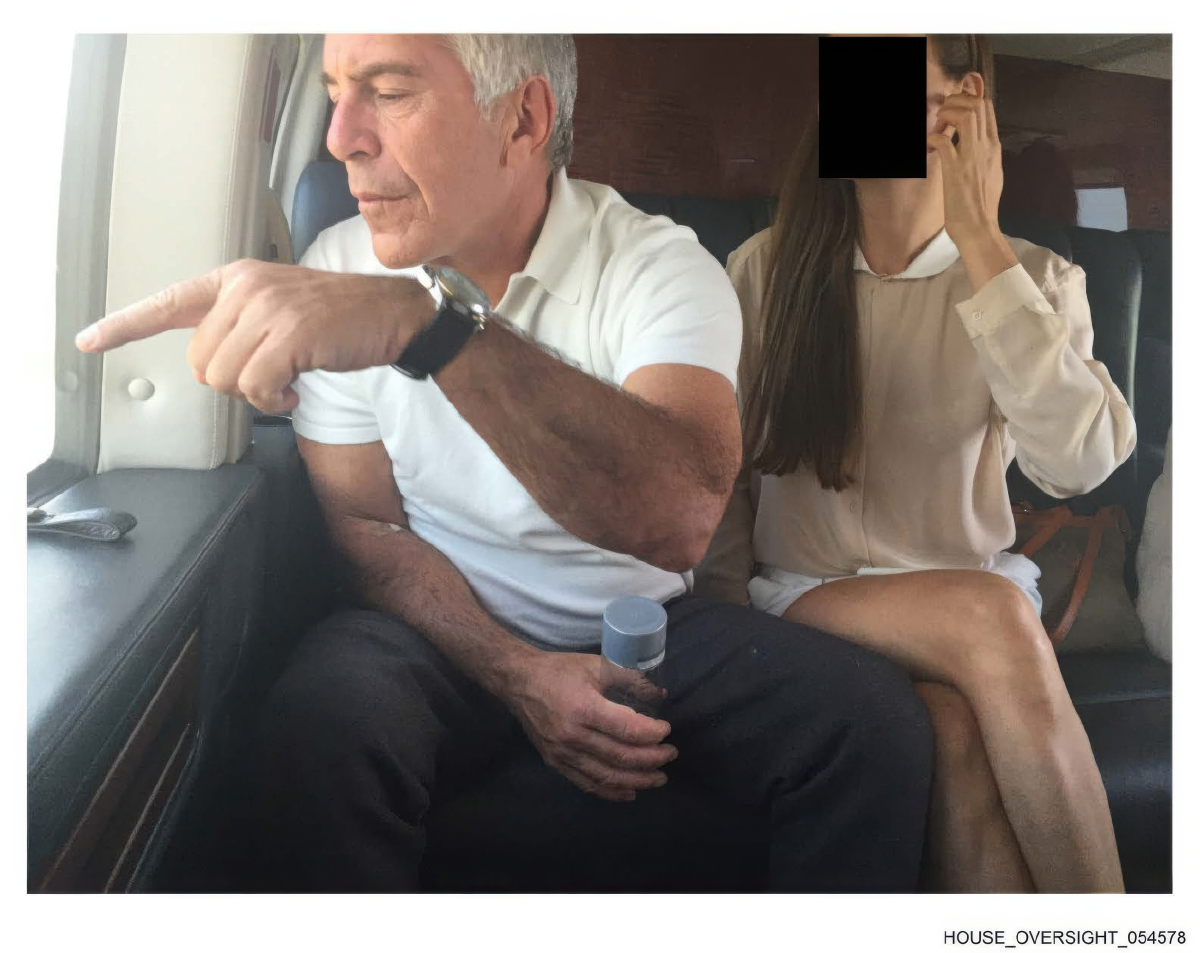
After nearly two decades of court proceedings and media scrutiny, a large volume of Epstein-related records is already public, including flight logs, address books, email correspondence, police reports, grand jury records, courtroom testimony, and deposition transcripts from his accusers, staffers, and others.
Yet public demand for more records remains high, especially for any information related to Epstein's associations with famous individuals such as Trump, Mountbatten-Windsor, and Clinton.
Trump was friends with Epstein for years before their relationship soured. Neither he nor Clinton has ever been accused of wrongdoing in connection with Epstein, and the mere inclusion of someone's name in the investigation files does not imply guilt.
Mountbatten-Windsor denied ever having sex with Giuffre, but King Charles III stripped him of his royal titles this year after Giuffre's memoir was published posthumously.