Agrivoltaics Research Underway in Louisiana
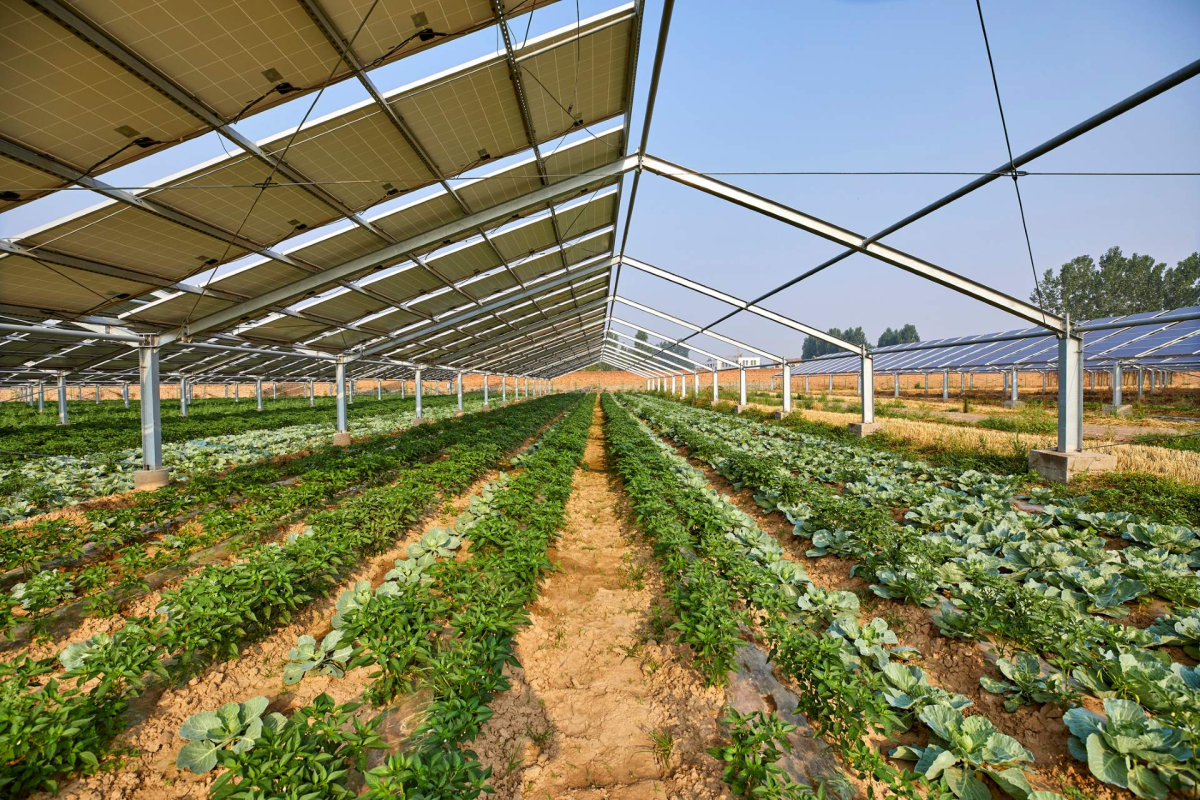
In Louisiana, a novel approach combining agriculture with solar energy is being examined, with broccoli serving as a test crop. This initiative, led by University of Louisiana, Lafayette assistant professor Caitlin deNux, seeks to determine if such integrated systems can thrive in the state's climate.
"We're looking to see if agrivoltaics is viable for Louisiana's climate and whether the specialty crops are as nutritious when grown in the shade," deNux told the Advocate.
Potential Benefits and Challenges
Agrivoltaics involves growing crops, supporting pollinators, and allowing animal grazing beneath solar panels. The U.S. Department of Energy highlights that this could offer farmers additional income from energy sales alongside ecological perks. For instance, crops release water vapor that cools panels, enhancing their efficiency—a benefit observed in California and other regions.
However, skepticism exists. "I don't see being able to convert 500 acres of sugar cane into 500 acres of vegetable crops under solar panels, at least not without a major hit to the farmers or the producer," said LSU AgCenter researcher Kurt Guidry, per the Advocate. "I'm skeptical of it. It would likely need to be at a much smaller scale."
Research Details and Findings
DeNux's team has planted 434 broccoli plants under panels on a research solar farm to monitor growth between arrays, evaluating appearance and flavor. "There's a South Korean study that showed that broccoli grown in AV plots were a more vibrant green. It's very fresh-looking when compared with the more dullish green of conventionally grown plants. Customers there preferred the visual appeal and taste of AV-grown broccoli. That could increase consumer demand," deNux said, per the Advocate.
This research aligns with broader trends, as data center power demand is projected to surge 165% by 2030, driving tech firms like Meta to invest in solar and other land-intensive energy sources. Meanwhile, solar power's clean energy benefits, noted by the American Lung Association, add to its appeal.
Broader Implications and Examples
In Louisiana, a project in Monroe is set to power 17,000 homes with 600 sheep grazing to maintain vegetation, exemplifying the dual-use model. "The whole premise is really looking at sustainability and dual sources of revenue for producers, which comes from the energy they can sell back to the grid," deNux explained, per the Advocate.
If successful, this work could guide improved land management strategies, offering a blueprint for balancing agricultural and energy needs in an era of increasing land pressure.