Volunteer Firefighters in the Desert
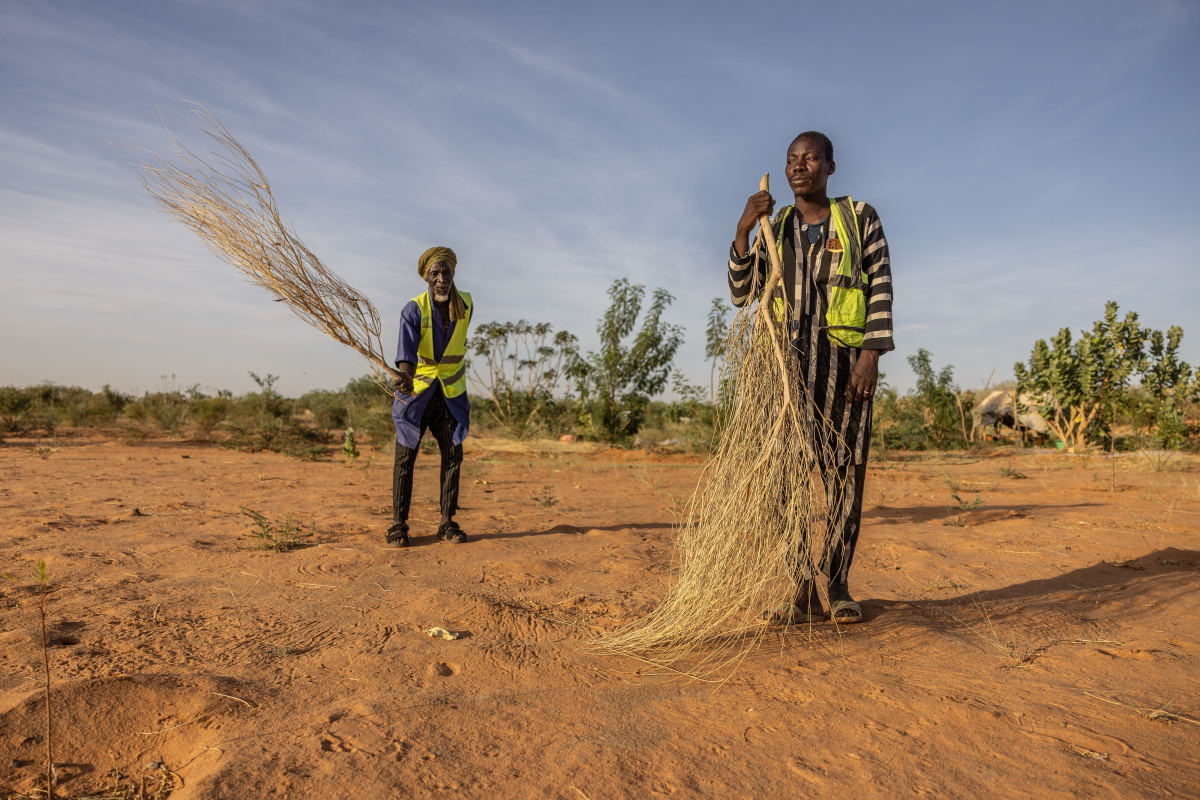
As dusk falls over Mauritania's arid landscape, a group of men moves in coordinated rhythm, striking the ground with slender branches. This disciplined practice, honed through years of experience, prepares them for confronting wildfires that endanger both local and refugee populations.
These volunteers, supported by UNHCR, train regularly despite no immediate fire threat. In West Africa's challenging environment, bushfires emerge suddenly and persist for extended periods, posing severe risks to communities dependent on limited vegetation for livestock.
Refugees Contributing to Host Communities
Hantam Ag Ahmedou arrived at Mbera refugee camp in 2012 when he was eleven years old. His family, like many refugees and Mauritanians, depended on herding and quickly recognized the destructive potential of wildfires.
"We told ourselves: The host community has shown remarkable generosity. They share everything they have with us," Ag Ahmedou explained to The Associated Press. "We needed to find ways to reduce the burden on them."
His father initiated the volunteer firefighting effort, initially involving about two hundred refugees. While Mauritanians had long battled fires, the Malian refugees introduced specialized knowledge that proved valuable.
"Water cannot extinguish these fires," Ag Ahmedou noted. "That's simply not feasible when flames ignite hundreds of kilometers from water sources."
Instead, they employ branches to smother flames. "This method represents the only effective approach," he emphasized.
Organized Response to Emergencies
Since 2018, UNHCR has sponsored these firefighters, with European Union funding supporting training, equipment, and firebreak creation. Over 360 refugee volunteers now collaborate with regional authorities.
When fire alerts sound, teams mobilize in pickup trucks. At fire sites, twenty-member units deploy along fire edges, using heat-resistant acacia branches to beat back flames. Additional teams remain on standby for relief.
Ag Ahmedou began assisting at age thirteen by transporting supplies, extinguishing his first fire at eighteen, and has since confronted hundreds of blazes.
"Somebody must take action," he stated. "Unchecked fires can invade refugee camps and villages, destroying livestock, endangering lives, and devastating regional economies."
Environmental Challenges and Community Tensions
Approximately ninety percent of Mauritania lies within the Sahara Desert. Climate change has intensified desertification, increasing pressure on already scarce natural resources, particularly water.
Tayyar Sukru Cansizoglu, UNHCR's Mauritania representative, observed that climate impacts have reduced grazing lands so significantly that "a single bushfire endangers everyone's survival."
When refugees first arrived in 2012, authorities established Mbera camp, now housing over 150,000 Malians. Another 150,000 reside in surrounding villages, sometimes outnumbering locals significantly.
Chejna Abdallah, mayor of border town Fassala, reported growing tensions between communities due to "intense competition for natural resources, particularly water access."
Rebuilding and Resilience
Abderrahmane Maiga, a 52-year-old brigade member, tends to young saplings, carefully watering their roots. To compensate for vegetation losses, firefighters have established nurseries across the desert, including acacia trees, and recently introduced lemon and mango varieties.
"It's only proper that we assist our neighbors," Maiga remarked.
He remembers a devastating 2014 fire that required dozens of volunteers—both refugees and locals—working continuously for two days until some collapsed from exhaustion.
Ag Ahmedou acknowledges ongoing tensions, especially as violence in Mali prevents most refugees from returning home.
He describes his existence as one shaped by desert life, food insecurity, and "degraded land," with limited alternatives. "We cannot simply leave for Europe and abandon our homeland," he asserted. "We must persevere. We must continue struggling."