EU Delays Mercosur Trade Agreement Signing
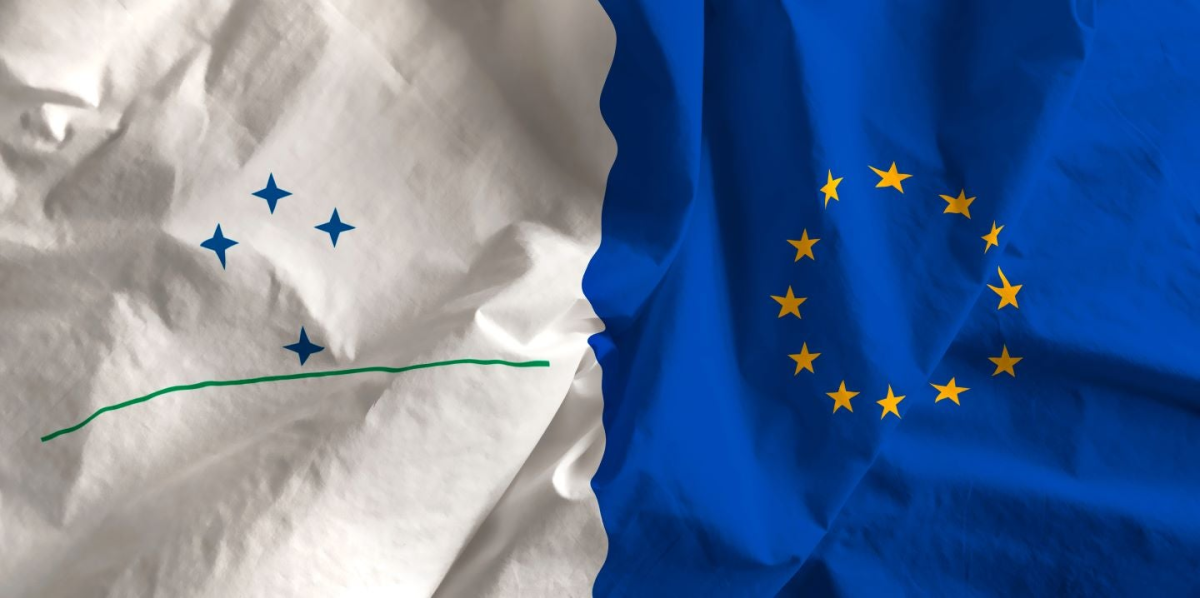
The European Union has decided to postpone the formal signing of its free-trade agreement with the Mercosur bloc, which includes Brazil, Argentina, Paraguay, and Uruguay. The signing, originally scheduled for December, has been moved to January.
European Commission President Ursula von der Leyen stated, "We need a few extra weeks to address some issues with member states." She added, "We have reached out to our Mercosur partners and agreed to postpone slightly the signature."
Opposition and Safeguards
This trade pact, initially agreed upon in 2019 following more than twenty years of negotiations, has encountered resistance from EU member states such as Italy, France, and Ireland. Last December, a political agreement was established between the two parties.
Von der Leyen emphasized the agreement's significance, saying, "This deal is of crucial importance for Europe – economically, diplomatically and geopolitically." She noted it would create "the world’s biggest free trade zone," covering a market of over 700 million people, and "opens new trade and economic opportunities for all our Member States."
To address concerns, particularly from agricultural sectors, negotiators from the European Parliament and Council have agreed on safeguard measures. These include provisions allowing the Commission to temporarily halt tariff-free imports of sensitive agricultural products like poultry, beef, sugar, eggs, and citrus if they threaten European producers.
Under these measures, an investigation into suspending preferential tariffs would be initiated if import volumes increase by more than 8% or prices drop by over 8% compared to a three-year average. The Commission may also monitor non-sensitive products upon request from local industries.
Ongoing Challenges
The provisional agreement still requires formal adoption by both the Parliament and Council before becoming law. Previously, in September, the Commission had proposed triggering safeguards at a 10% threshold for import increases.
However, EU agri-food organizations, including Copa-Cogeca and AVEC, have criticized the safeguard mechanisms, arguing they "fall short" and raise concerns about increased competition, lower prices, and potential impacts on product standards. They questioned how such measures would be implemented and accepted by Mercosur countries.