An examination of perspectives from Arab media outlets reveals two significant regional developments.
Muslim Brotherhood's Downward Spiral
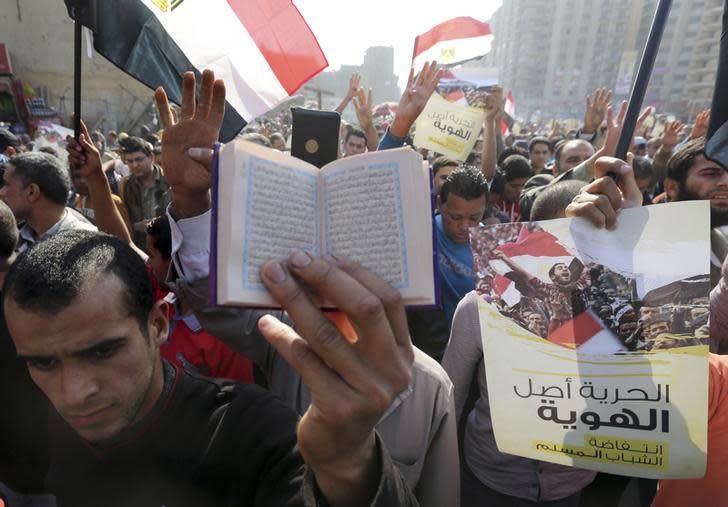
Following the departure of key figures overseas, the Muslim Brotherhood has become increasingly disconnected from actual circumstances. Its communication strategies and digital operations reveal considerable disarray, while its structural framework shows deterioration domestically and internationally.
While Egypt faces substantial economic and social difficulties, the Brotherhood continues to propagate misleading information rather than addressing these challenges constructively. Historical patterns demonstrate that turmoil instigated by such movements typically results in widespread damage, with societies seldom emerging intact from such upheavals.
The organization's perspective remains constrained by conspiratorial thinking that has characterized it since establishment. Nearly fifteen years after pivotal January developments, the group has not acknowledged Egypt's significant transformations or recognized the nation's institutional stability, which remains unaffected by external narratives.
A fundamental error involved attempting to wield authority through internal leadership structures rather than official state mechanisms. This misjudgment initiated its decline, accompanied by intensified militant activities that ultimately proved counterproductive, damaging its reputation both locally and globally.
As security threats escalated, Egyptian society demonstrated increased solidarity with military and police forces, with the government showing clear determination to address violence effectively.
The Brotherhood subsequently sought international support while promoting narratives depicting Egypt as unstable. Actual conditions proved more resilient than external propaganda, with Egypt strengthening its regional position, developing robust defense capabilities, and maintaining territorial integrity.
Meanwhile, the group's international efforts appeared increasingly desperate, resulting in diminishing global support and terrorist designations by multiple nations.
The January period represented a crucial juncture, providing governance opportunity while revealing the movement's limited political vision. With veteran leadership diminishing and internal unity fracturing due to legal decisions and internal divisions, the organization's relevance and substantive contributions have significantly diminished.
In retrospect, January marked both rise and fall for the Brotherhood—beginning rapid ascent and concluding dramatic decline, dispelling longstanding illusions. The movement assumed power advocating religious principles but departed associated with extremism, taking with it claims of moral authority once accepted by many.
Currently, Egypt progresses despite ongoing challenges, while the Brotherhood remains mired in outdated rhetoric, unable to comprehend realities that no longer accommodate its presence.
Sudan's Deepening Humanitarian Emergency
Sudan experiences one of its most difficult contemporary periods, with destructive conflict fragmenting the nation and transforming civilian existence through widespread fear, starvation, and displacement.
World Food Program data indicates approximately 21.2 million Sudanese now face severe food shortages, reflecting not merely nutritional deficits but comprehensive breakdowns in healthcare, social services, and fundamental protections. The country approaches widespread famine conditions, with aid delivery resembling attempts to breathe during relentless storms.
Although assistance reaches nearly four million monthly, the disparity between escalating needs and available resources continues expanding. The primary obstacle involves ensuring humanitarian access within violence-disrupted territories with damaged infrastructure. Aid professionals note Sudan has become among the world's most hazardous and complicated operational environments, where every mission involves exceptional risk.
In Darfur and Kordofan regions, aerial attacks hinder relief convoy movement, while constantly shifting territorial control dramatically increases ground dangers. Compounding these difficulties, insufficient international funding restricts expansion of transportation, distribution, and financial support systems—critical lifelines for millions of displaced individuals and exhausted families.
UN officials warn current funding shortages may soon deprive millions of civilians of assistance, potentially reviving famine threats across extensive areas.
The food emergency represents merely one aspect of broader national tragedy. Mass displacement accelerates alarmingly, with concerns about further waves if hostilities extend to regions like the Nuba Mountains.
With over 12 million people displaced internally and externally since conflict began, Sudan now ranks among global humanitarian catastrophes, demonstrating rapid erosion of social cohesion and collective endurance. Sudan currently approaches complete breakdown, though recovery remains feasible with sufficient political determination.
Humanitarian disasters are not inevitable occurrences, and Sudan's suffering results from decisions that remain alterable. In a world already burdened by emergencies, Sudan's ordeal will test whether international actors can preserve human dignity when daily survival becomes the primary struggle.