
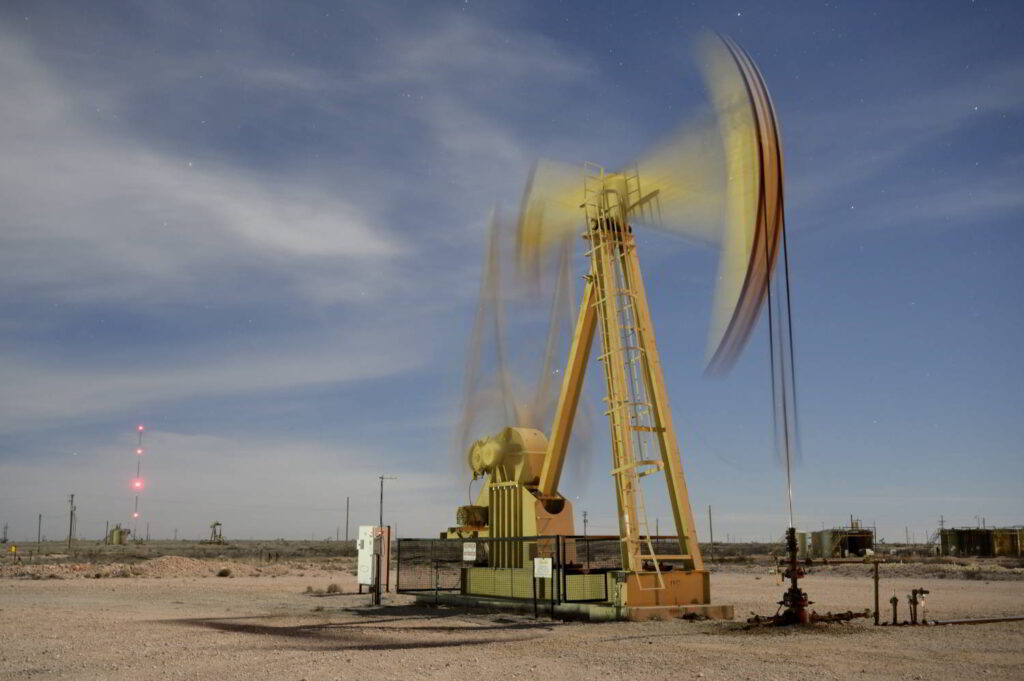
On Friday, the New Mexico Environment Department introduced a comprehensive Climate Action Plan designed to guide the state toward achieving net-zero emissions by the year 2050. This initiative includes more than 40 specific measures aimed at reducing greenhouse gases and fostering a sustainable future.
Collaborative Effort for a Carbon-Neutral Future
The plan was developed through a joint effort between the New Mexico Environment Department and the Energy, Minerals and Natural Resources Department. It serves as a strategic roadmap to transition the state to a carbon-neutral economy, balancing environmental goals with economic stability.
"The New Mexico Climate Action Plan is more than a set of goals — it is an actionable roadmap to a resilient, energy-independent and prosperous future for every New Mexican," NMED Secretary James Kenney said in a statement. "We are confronting climate change head-on while building a thriving clean energy workforce and creating long-term economic opportunities, especially for communities historically overburdened by pollution."
Projected Emissions Reductions and Benefits
According to the department, the plan, combined with existing policies, is expected to nearly halve emissions by 2030 compared to 2005 levels. By 2050, officials anticipate an 82% reduction in emissions. These efforts are projected to prevent approximately $294 billion in health care costs, property damage, and other pollution-related impacts.
"We’re an energy state — that’s not changing. What’s changing is how we produce that energy," Erin Taylor, acting cabinet secretary for the Energy, Minerals and Natural Resources Department, said in a statement. "This plan shows we can protect the industry jobs New Mexicans depend on while cutting emissions and creating new opportunities in clean energy."
Funding and Key Measures
The plan was funded in part by the U.S. Environmental Protection Agency’s Climate Pollution Reduction Grant and the Innovation in State Government Fund, which Governor Michelle Lujan Grisham signed into law earlier this year. It outlines 45 steps to curb greenhouse gas emissions, including implementing new rules to address methane leaks from oil and gas operations, decarbonizing electric grids, promoting energy-efficient building codes, enhancing forest health, expanding post-fire recovery programs, creating a statewide organic and food waste diversion program, and improving infrastructure for zero-emission vehicles.