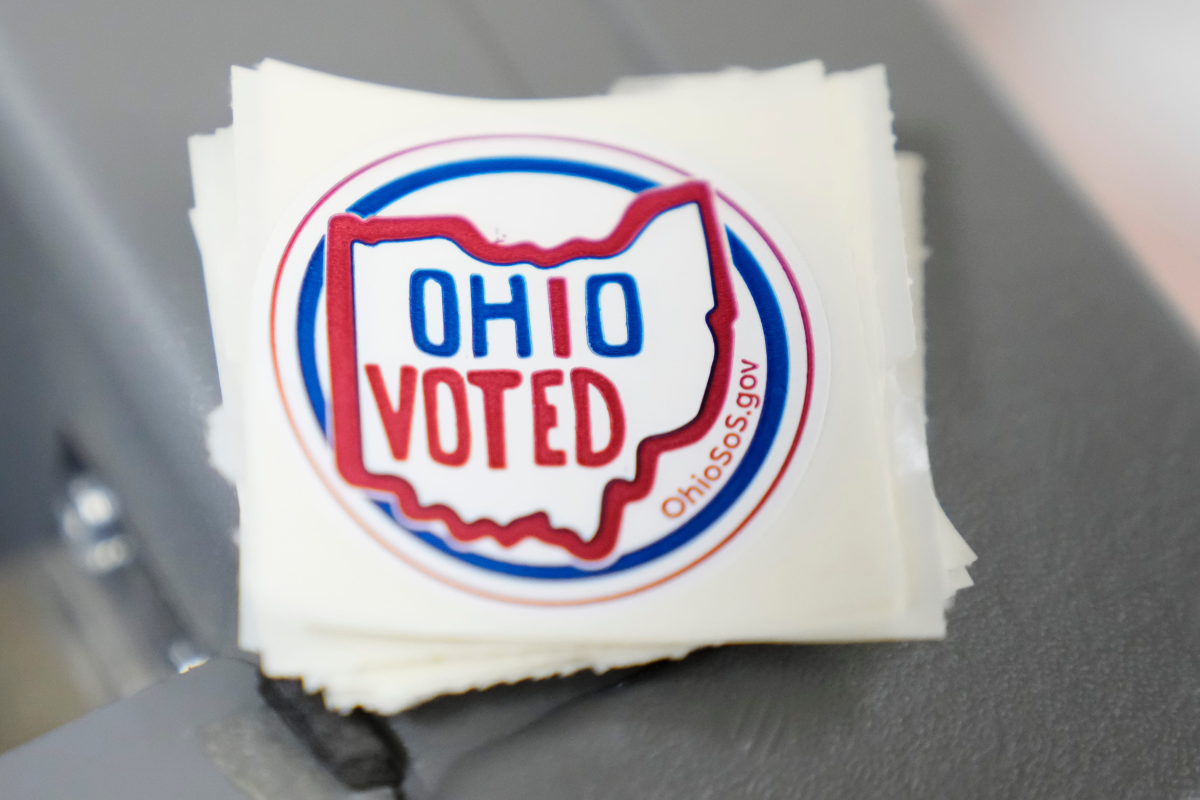
Ohio voters must now ensure their mail-in absentee ballots are received by election officials no later than Election Day itself, following recent legislative changes.
Legislative Action
Governor Mike DeWine approved Senate Bill 293 on December 19, effectively ending the state's previous policy that allowed ballots to be counted if they arrived up to four days after an election, provided they were postmarked by the preceding day.
This development comes almost two years after DeWine indicated he anticipated no further modifications to election regulations during his tenure.
Policy Details and Exceptions
The revised rule mandates that absentee ballots reach election offices by the time polling stations close on Election Day. However, this requirement does not extend to military personnel and voters residing overseas.
Additionally, the legislation empowers the secretary of state's office to automatically remove individuals from voter rolls if state and federal databases suggest they are not U.S. citizens.
Political Perspectives
Republican legislators and Secretary of State Frank LaRose argue that the new deadline brings Ohio in line with most states that enforce similar Election Day receipt rules. They stated, "The new deadline will align Ohio with the majority of states that require ballots to arrive by Election Day."
Opponents of the change maintain that the grace period was crucial to accommodate postal service delays, particularly affecting rural communities.
National Context
Ohio's policy shift occurs against a backdrop of nationwide discussions about absentee voting deadlines. Former President Donald Trump has advocated for the complete elimination of mail-in voting.
The U.S. Supreme Court has agreed to review a case from Mississippi that could determine whether states are permitted to count ballots received after Election Day. The U.S. Department of Justice has asserted that such grace periods contravene federal law and had previously threatened legal action against Ohio over its prior policy.
Legal Defense
An attorney representing the Brennan Center for Justice, which has filed lawsuits against the Trump administration, contended that Ohio was not violating federal law and was not required to adhere to executive orders or rulings from ongoing legal disputes.