A recent Yahoo/YouGov survey indicates that 69% of U.S. adults believe autism cannot be attributed to a single factor, with this view shared by 59% of Republicans.
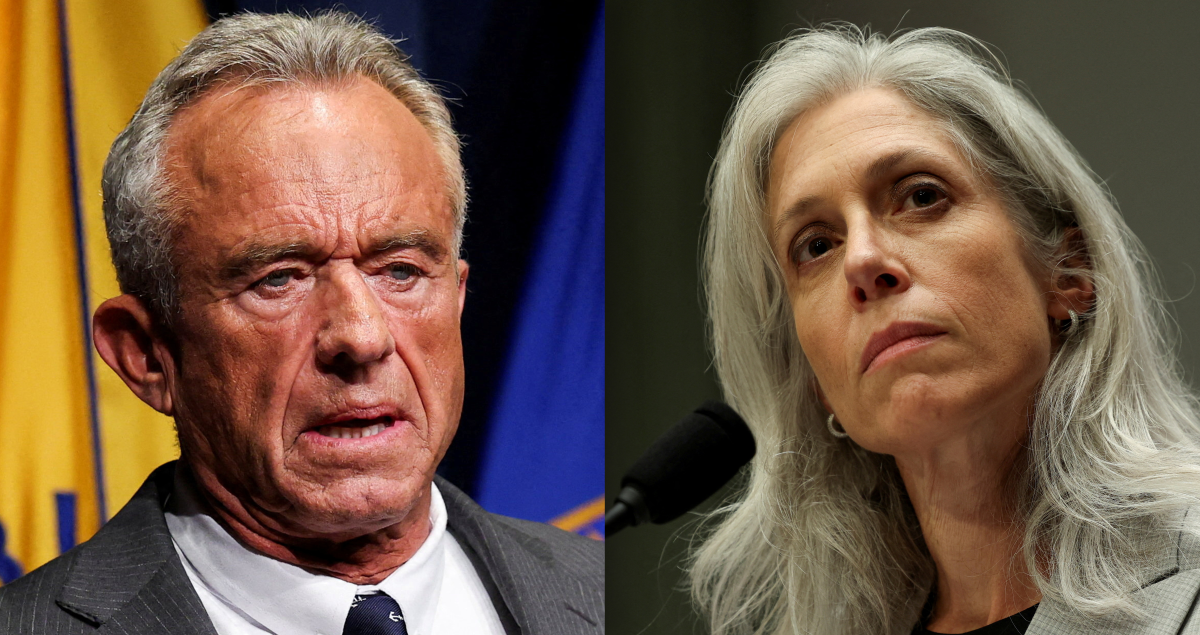
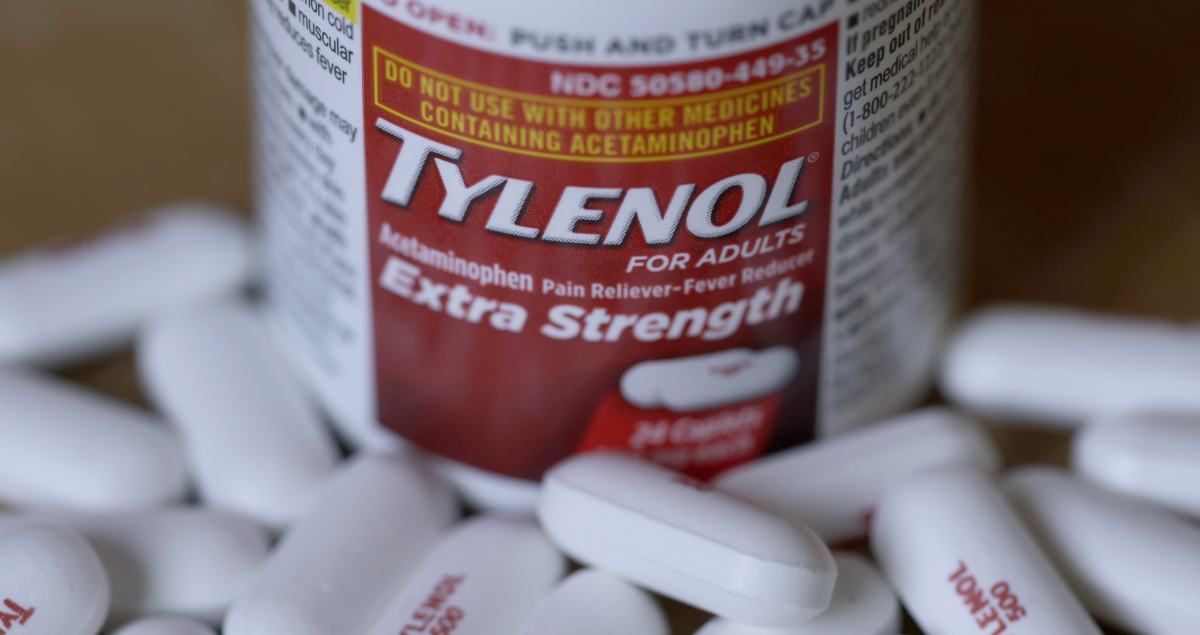
Despite this consensus, President Trump recently asserted his administration had "found an answer to autism," connecting the condition to acetaminophen-based pain relievers like Tylenol during an event with Health and Human Services Secretary Robert F. Kennedy Jr. The poll was conducted from September 25 to 29, following this event.
"Don’t take Tylenol. Don’t take it. Fight like hell not to take it," Trump advised pregnant women, suggesting they endure pain instead. Kennedy, meanwhile, promoted the discredited idea that vaccines cause autism, stating future research would have "no areas of taboo."
"One area we are closely examining is vaccines," Kennedy said. "We will be uncompromising and relentless in our search for answers."
Trump added, "There’s something artificial. They’re taking something."
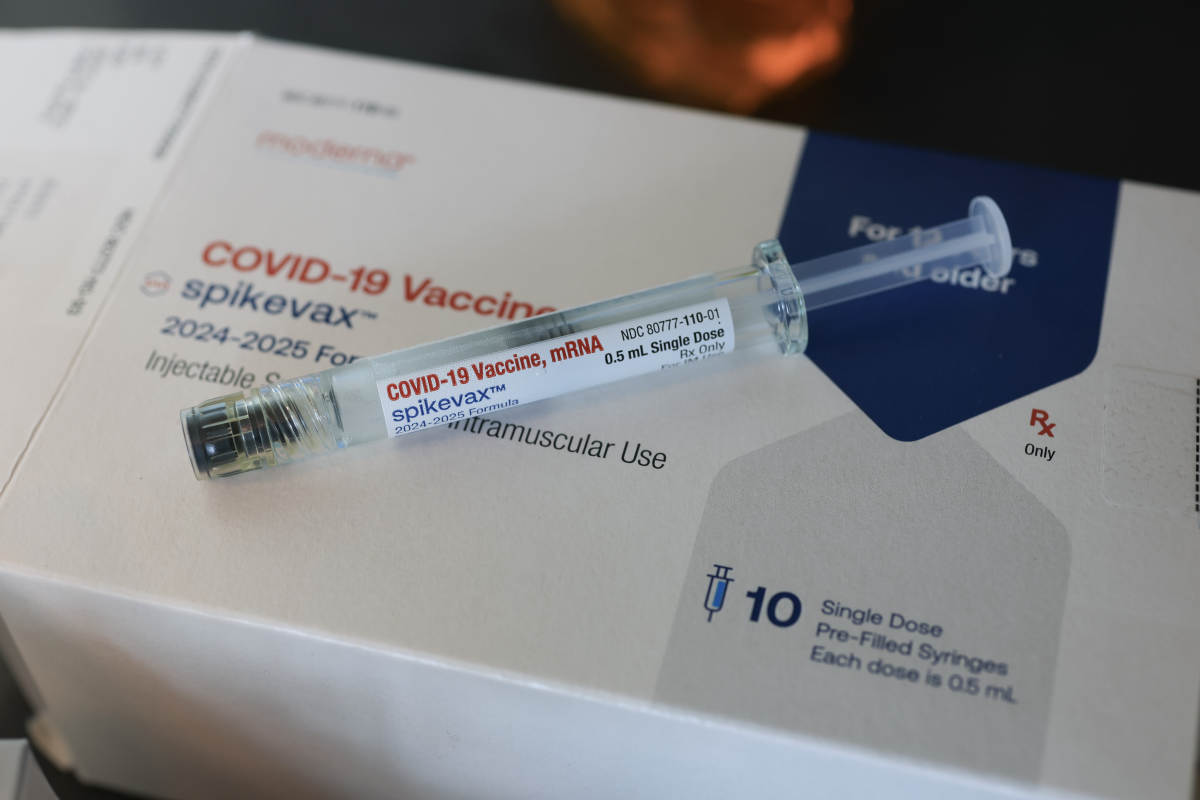
The survey of 1,676 adults shows some openness to environmental factors in rising autism rates, with 41% agreeing, 31% disagreeing, and 28% unsure. However, most reject single-cause explanations: only 17% agree vaccines cause autism, 15% agree acetaminophen does, and just 3% strongly agree on acetaminophen. Consequently, only 25% would discourage Tylenol use during pregnancy.
Scientific Perspectives on Autism
Decades of research describe autism as a complex neurodevelopmental condition influenced by genetics and environment, with rising rates often linked to broader definitions and increased awareness rather than toxins.
Studies on acetaminophen present mixed findings. A review in BMC Environmental Health suggested a potential link, recommending cautious use under medical guidance. In response, the FDA issued similar guidance, noting acetaminophen may be reasonable in certain pregnancy scenarios.
However, a 2024 study of nearly 2.5 million people in Sweden found no association between prenatal acetaminophen use and autism risk. Medical groups emphasize that untreated conditions during pregnancy pose greater dangers than theoretical risks from the drug.
Public Trust in Medical Advice
During the event, Trump offered no new evidence, stating, "I always had very strong feelings about autism and how it happened and where it came from. We understood a lot more than a lot of people who studied it."
Poll results show widespread distrust: 64% would not trust Trump's medical advice at all, with only 6% trusting it a great deal. Even among Republicans, 50% trust it little or not at all. Kennedy faces similar skepticism, with 66% distrusting him entirely.
Kennedy's favorability has declined, from 40% favorable in August to 36% currently, as unfavorable ratings rose to 49%.