Unseasonable Heat in Utah
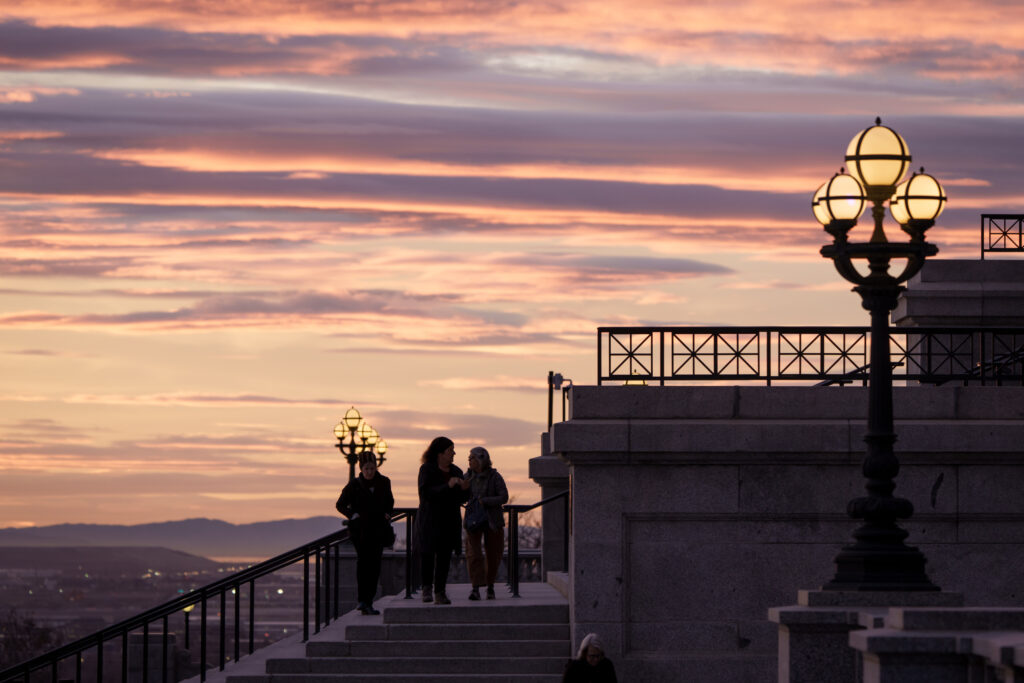
Salt Lake City is experiencing an exceptionally warm December, with residents finding little need for winter coats even around Christmas. The National Weather Service reports that the area has shattered multiple temperature records this month.
On Monday, December 9, 2025, the mercury climbed to 67 degrees Fahrenheit, setting a new high. The following day reached 61 degrees, surpassing the previous record of 59 degrees set back in 1933. Another 67-degree reading occurred on December 17, marking the warmest ever recorded for that date.
Meteorologist's Observations
Alex DeSmet, a meteorologist at the National Weather Service, stated, "We have reached 67 degrees on more than one occasion already this month in Salt Lake City, and that ties for the second-warmest December and also second-warmest winter temperature ever recorded."
He added that Monday's overnight low of 59 degrees broke the previous warmest winter nighttime temperature by a significant 7 degrees. "So quite, quite significant there," DeSmet remarked.
Snowfall Prospects and Impacts
The chance of a traditional snowy Christmas in the Salt Lake Valley is "basically 0%," according to DeSmet. However, higher elevations above 8,500 feet are expected to receive 6 to 12 inches of snow from Wednesday through Thursday night.
From Wednesday night through Friday night, strong winds with gusts up to 50 miles per hour are forecast for western Utah and the Tooele Valley, potentially creating hazardous travel conditions due to blowing dust.
DeSmet noted that temperature records are likely to cease by Friday, though conditions will remain warmer than usual for the remainder of the winter season.
Concerns Over Water Supply
The unseasonable warmth has led to a slow start for Utah's ski resorts, with skiers reporting soft, spring-like snow conditions. Visitors hoping for fresh powder have been disappointed.
More critically, the lack of snowfall raises concerns about drought conditions, as approximately 95% of Utah's water supply originates from mountain snowpack. This follows a dry summer that left Great Salt Lake managers hoping for substantial winter precipitation to replenish the basin.
"There's a lot of winter left, fortunately," DeSmet said, indicating that snowpack typically builds through April. Regarding precipitation forecasts, he added, "As far as the precipitation is concerned, it's kind of a weaker signal. It can go either way for most of the rest of the winter."