
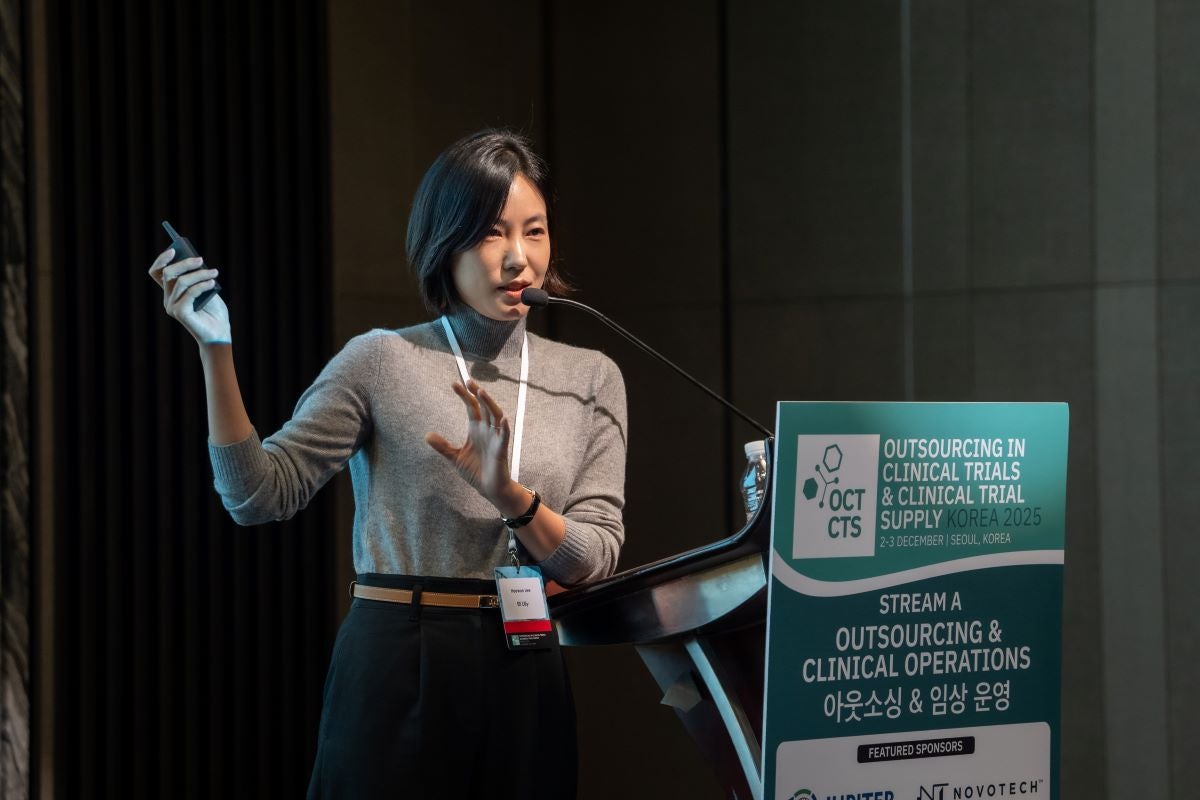
During the Outsourcing in Clinical Trials and Clinical Trial Supply Korea 2025 conference, Heewon Lee from Eli Lilly discussed how South Korea's national goals are transforming decentralized clinical trial approaches.
She spoke following the launch of a government-backed pilot program by the Ministry of Health and Welfare and Seoul National University Hospital, which aims to enhance patient accessibility through improved digital systems and regulatory adjustments.
National Ambition Driving Change
South Korea's regulators are increasingly supporting community-based trial environments, allowing approved local centers to participate more easily. This reflects both the country's ambition and competitive pressures in the global pharmaceutical research landscape.
Lee noted that Eli Lilly's activities in Korea align with this national direction. While trial speed is important for the company's expanding pipeline, she emphasized that "speed alone is meaningless without broader patient access."
Community-Based Research Expansion
The community-based research model brings clinical studies to underserved areas through mobile units, local screening sites, and partnerships with community organizations, reducing the need for patients to travel to distant trial locations.
Digital systems are becoming central to this strategy. Lilly uses specialized vendors for preliminary eligibility checks based on real-world data and has launched its Lilly Trials platform, which allows patients to register interest, provide consent online, and match with relevant studies. Currently available in the US, the platform is expected to expand globally.
Regulatory Challenges Remain
Lee acknowledged that structural limitations persist under current South Korean regulations, where only MFDS-designated sites may conduct studies. This restricts access for patients treated in primary care settings.
She explained that while some conditions like oncology are mostly treated at tertiary hospitals, others rely heavily on primary clinics, which face their own accessibility challenges. The government has announced steps toward expanding accessibility for studies with prior MFDS approval, but progress will require continued alignment between policymakers and industry.
South Korea ranks among global leaders in operational performance, but its future potential depends on effectively broadening access and modernizing infrastructure. Community-based research, digital referral ecosystems, and regulatory flexibility will be essential to bridging existing gaps.
Lee concluded by highlighting that "the goal is not the technology itself but patient accessibility."