Federal Cannabis Policy Shift Expected
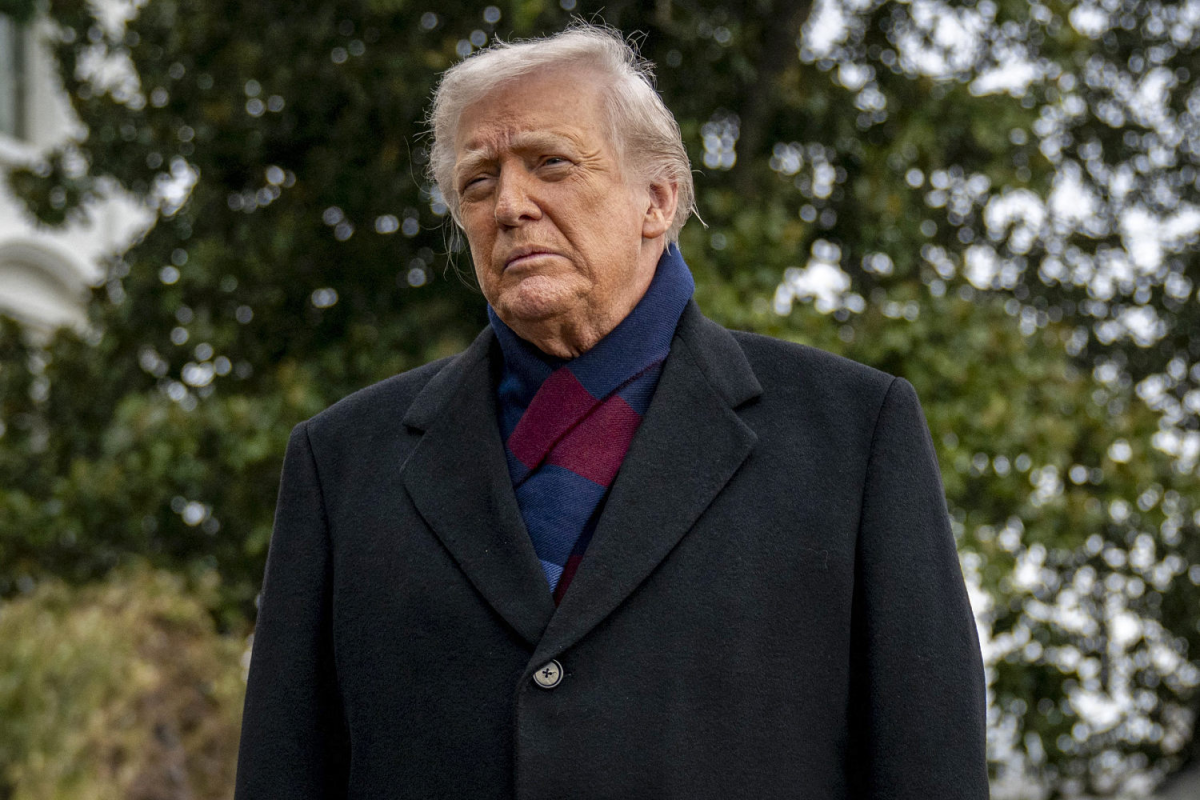
President Donald Trump is anticipated to issue an executive order this week that would accelerate the reclassification of cannabis, recognizing its medical applications at the federal level for the first time, according to four individuals familiar with the matter.
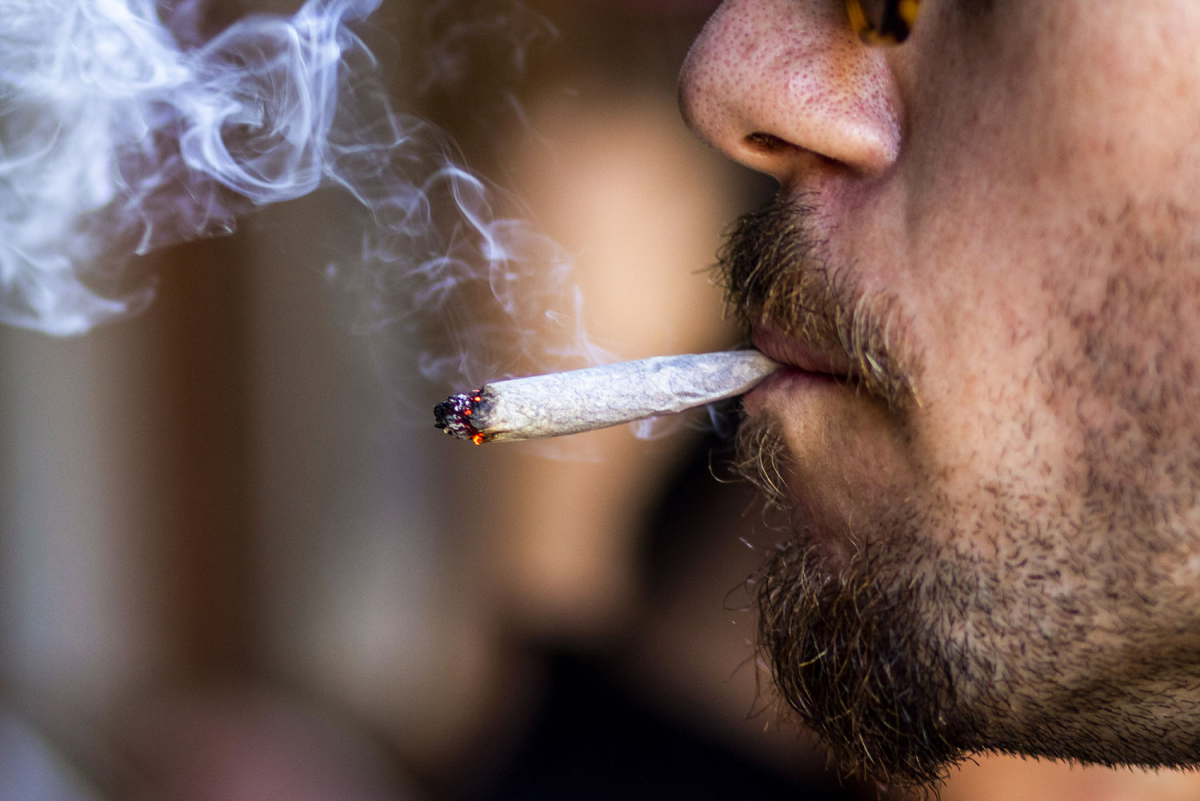
Currently, cannabis is listed alongside heroin and LSD under the Controlled Substances Act of 1970. Shifting it to Schedule III would reduce regulatory obstacles, enabling the FDA to conduct medical studies and potentially expand pharmaceutical use for groups like seniors and veterans, regardless of state regulations.
However, this action would not legalize cannabis federally.
On Monday, Trump stated his administration is "considering" the move. "We are considering that because a lot of people want to see it — the reclassification, because it leads to tremendous amounts of research that can’t be done unless you reclassify. So, we are looking at that very strongly," he told reporters.
The order is likely to instruct the DEA administrator or Attorney General Pam Bondi to finalize the rescheduling process, which has been underway for over a year, and publish a rule moving cannabis to Schedule III, the sources added.
This formal process started under the Biden administration in 2024, with a hearing on rescheduling paused since early this year for administrative reasons.
Two sources noted the executive order might also direct Congress to pass the SAFER Banking Act, bipartisan legislation that would grant legal cannabis businesses access to major banks and financial institutions. Currently, banks risk federal prosecution for serving such businesses.
Additionally, two sources familiar with draft versions said the order could include a directive to the Centers for Medicare and Medicaid Services to allow reimbursement for CBD products under Medicare.
These developments follow Trump's meeting with cannabis executives last week, which included FDA Commissioner Dr. Marty Makary, Health and Human Services Secretary Robert F. Kennedy Jr., and CMS administrator Dr. Mehmet Oz, according to two people aware of the discussions.
During the 2024 campaign, Trump promised to "unlock the medical uses of marijuana" through reclassification if re-elected. He also supported a Florida ballot initiative for recreational legalization, which failed after opposition from Gov. Ron DeSantis.
Sen. Ron Wyden, D-Ore., who advocates for cannabis decriminalization, criticized the expected order as insufficient, calling it "an attempt to boost his pathetic approval ratings."
"Trump will try to gaslight everyone into believing he just made pot legal. Wrong," Wyden posted on X. "He has not decriminalized cannabis or expunged the records of black and Latino Americans stuck in prison for minor drug offenses."
Thousands remain imprisoned for minor cannabis offenses since the 1990s drug war escalation.
Adrian Rocha, policy director for the Last Prisoner Project, said the order would be a "major shift in federal policy" but urged Trump to pair it "with clemency for people imprisoned for cannabis-related offenses."
"That would also send a message to state governors, who also have the power to grant clemency their constituents," Rocha said.
A November Gallup poll found 64% of U.S. adults support legalizing marijuana use.
Last month, Trump signed a law cracking down on low-THC hemp-derived products nationwide, even in states without recreational legalization.