Social Media Reaction to Reiner Tragedy
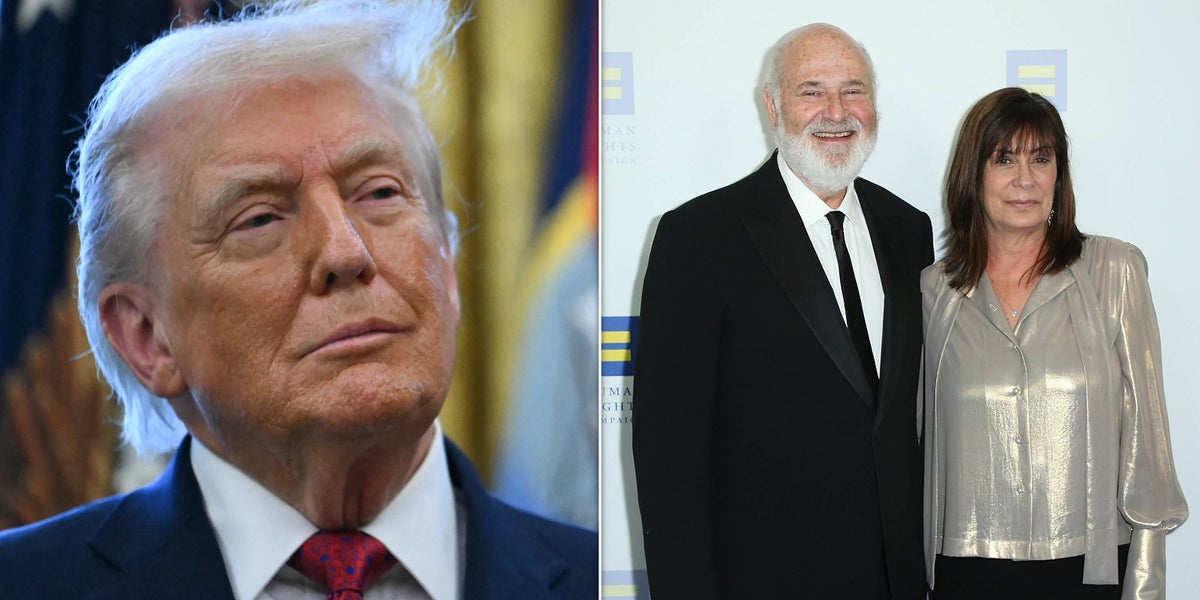
Following the passing of Rob and Michele Reiner, online platforms saw an outpouring of sympathy, but one response stood out for its controversial nature.
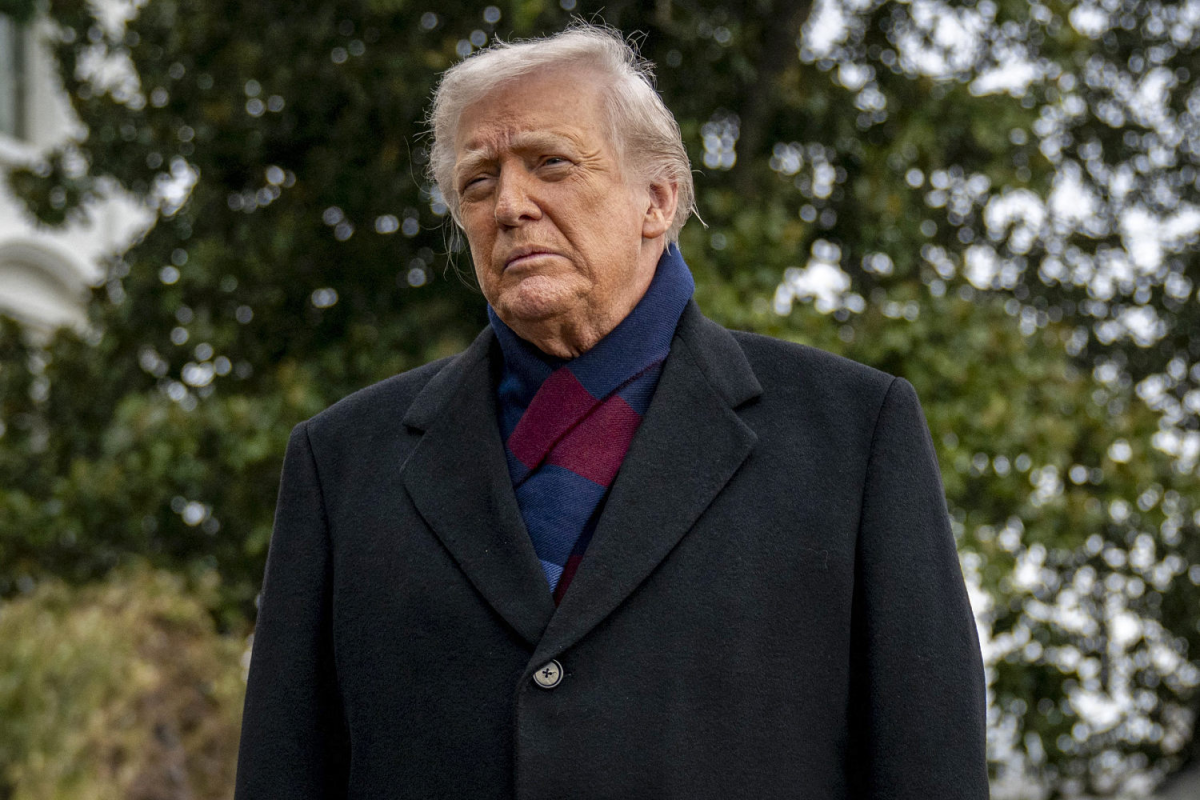
On Truth Social, Donald Trump posted a message on Monday night that attributed the couple's death to what he called "TRUMP DERANGEMENT SYNDROME." He wrote: "A very sad thing happened last night in Hollywood. Rob Reiner, a tortured and struggling, but once very talented movie director and comedy star, has passed away, together with his wife, Michele, reportedly due to the anger he caused others through his massive, unyielding, and incurable affliction with a mind crippling disease known as TRUMP DERANGEMENT SYNDROME, sometimes referred to as TDS."
Trump continued: "He was known to have driven people CRAZY by his raging obsession of President Donald J. Trump, with his obvious paranoia reaching new heights as the Trump Administration surpassed all goals and expectations of greatness, and with the Golden Age of America upon us, perhaps like never before. May Rob and Michele rest in peace!"
Mixed Reactions and Psychological Perspectives
Many found Trump's comments inappropriate, with some supporters calling them "heartless and uncalled for." Despite criticism, the post received significant engagement with thousands of reposts and likes.
Psychologists offered insights into this behavior. John Jost of New York University told HuffPost: "It is no real surprise that Trump made it all about himself. That is what destructive narcissists do, people who exhibit what psychologists refer to as malevolent personality traits."
Jost added: "Trump also makes Freud relevant again. Projection is an everyday occurrence. In this case, someone is deranged, but it's not Rob Reiner."
Daniel R. Stalder, a social psychologist, explained that victim blaming often occurs after tragedies: "In general, unfortunately, it's relatively common to respond to tragedy by searching for and finding some reason to blame the victim(s) of the tragedy. There are psychological benefits to victim blaming — not that those benefits can excuse it."
Online Dynamics and Political Polarization
Gina Simmons Schneider noted how digital communication affects behavior: "We also know that the more distant we feel from others, the easier it is to inflict harm. That's why we see so much cruelty online. You might behave politely toward the person with opposing beliefs who happens to be sitting next to you on an airplane. Online, it's easy to spew hate without seeing the direct social consequences of that abusive behavior."
Jay Van Bavel observed recurring patterns: "Every time this happens, it gets worse. It seems to always reach a new low, if you track polarization in the U.S."
He explained group dynamics: "Part of it is empathy. There's greater empathy for members of our own group when they suffer something bad. There might even be some evidence of pleasure (at least neurologically) from the in-group at the pain of the out-group, which is why we get the 'political schadenfreude' so often on display."
Leadership Influence and Social Consequences
Experts emphasized the impact of leadership behavior. Van Bavel stated: "People who follow politics closely tend to mirror the policies, positions and statements of their leaders — and Trump has an enormous influence over the core people who follow him."
Simmons Schneider referenced historical research: "Most people can be persuaded to hurt others when an authority figure encourages them to do so. Human history and psychological research have shown that ordinary good people can be made to commit unspeakable crimes by corrupt leaders."
Navigating Divided Society
Simmons Schneider reported increased anxiety related to political conflicts: "People struggle with the cruelty of our politics while trying to reconcile a vision of themselves as good-natured. It's destructive to the collaborative spirit we yearn for in cooperative society."
Van Bavel suggested focusing on shared values and recognizing that extreme voices don't represent most people: "The most incendiary, extreme voices do not represent the average member of the parties. When you reveal that they don't hate you as much as you think, that can be a really good way to help people calm down."
He noted the disproportionate influence of vocal minorities: "Part of the issue is that political elites are more extreme than average voters. Even though Donald Trump might be saying it and elites may be echoing it, [average voters] might not agree with it privately — but those people don't show up on social media."
The incident highlights how leadership communication sets social norms, with Van Bavel concluding: "When political leaders are signaling that it's OK to do this, we are far more likely to do it. It's really significant when someone like Donald Trump does this. It sends a signal that it's acceptable to do this."