Winter's official start arrived on Sunday, yet Utah's natural landscape appears to be ignoring the calendar.
Early Signs of Spring
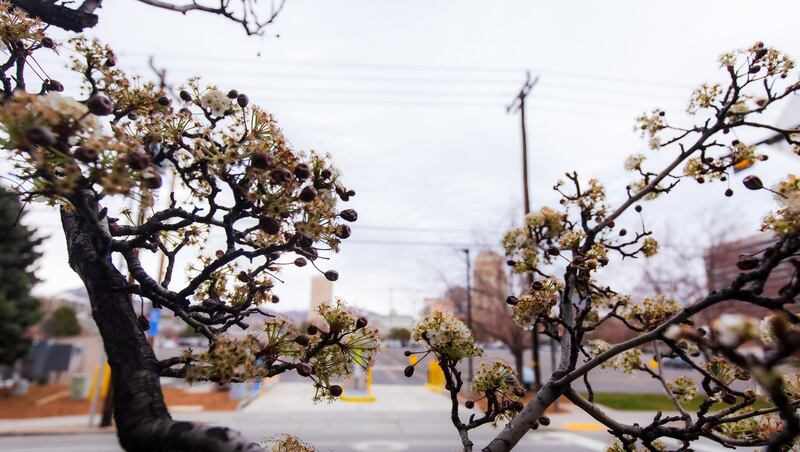
Residents across the state have observed unusual activity in their gardens and local flora. Pear trees near Salt Lake City's Triad Center have begun producing blossoms, while other flowering plants are showing similar premature growth in various regions.
Tony Gliot, Salt Lake City's urban forester, explained this phenomenon. "Occasionally, they will just simply flower this time of the year," he said, noting that pear trees are particularly susceptible to early blooming, possibly due to warmer temperatures or other environmental factors.
"Those trees themselves are healthy ... and this type of situation — this recent, warmer fall — would not cause flowerings that are some sort of stress response," he added.
Temperature's Role
According to horticultural experts, fruit trees typically require consistent temperatures below 45 degrees Fahrenheit to develop blooms properly. When warmer conditions occur, they can disrupt a tree's natural biological rhythms, leading to premature flowering.
Perennial plants may exhibit similar behavior when they receive what Garden Therapy describes as "cues of spring" during unseasonably warm periods.
Record Warmth
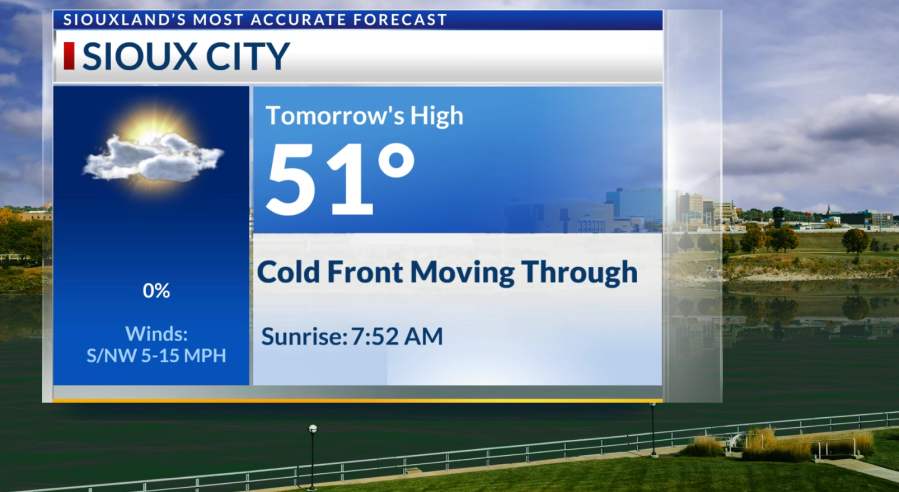
Current weather patterns support these observations. Salt Lake City is experiencing its warmest December since records began in 1874, with average high temperatures around 51 degrees Fahrenheit. The month's average temperature of 42.1 degrees through the first 18 days resembles typical early March conditions, which marks the beginning of meteorological spring according to National Weather Service data.
This follows a record-breaking November across Utah and Salt Lake City's wettest October on record, which brought 5.12 inches of rain to start the water year.
Long-Term Impact
While the unusual warmth and moisture may explain the early plant activity, Gliot assures that tree health shouldn't be affected. Trees will flower again after their dormant period, though Garden Therapy notes they might not bloom "as prolifically" in spring following premature flowering.
For perennial plants, energy typically retreats to root systems when freezing temperatures return, protecting them from damage in most cases. Flower bulbs are naturally adapted to handle fluctuations between warm and cold conditions.