
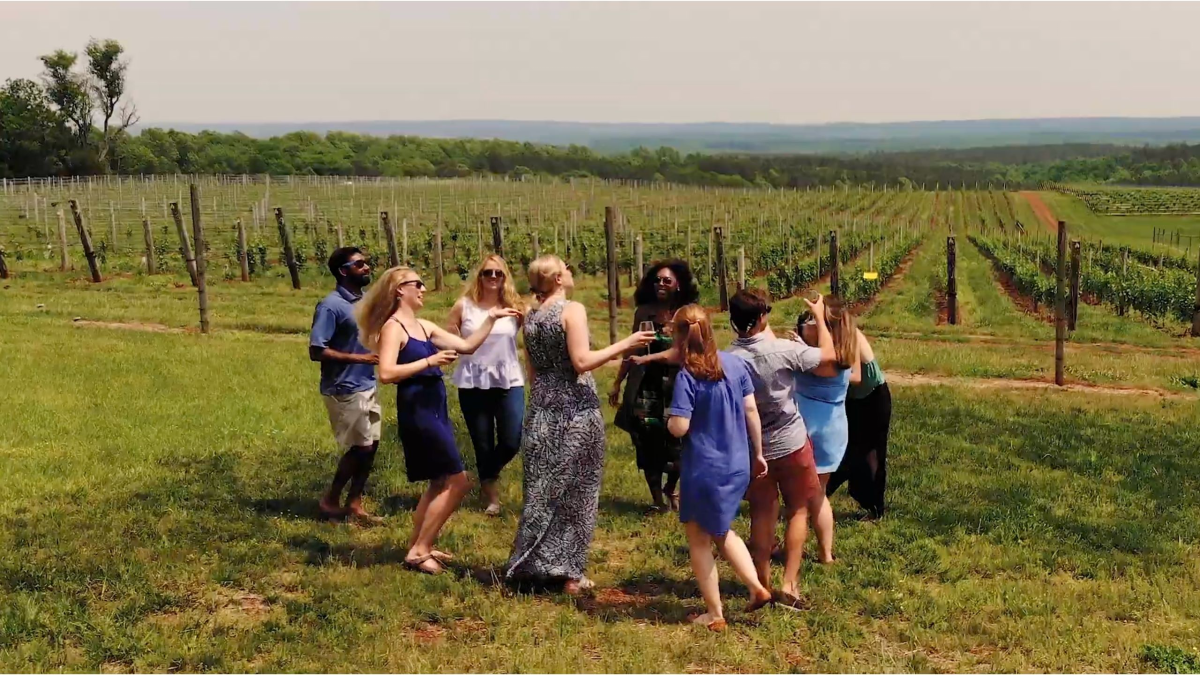
While California's Napa Valley and Oregon's Willamette Valley dominate American wine conversations, Virginia's Monticello Wine Trail presents a compelling East Coast alternative. Established in 1984 as part of the Monticello American Viticultural Area, this region represents one of the country's oldest recognized wine-growing areas.
A Flexible Wine Exploration
The trail isn't a single route but rather a network connecting over thirty wineries around Charlottesville and Albemarle County. This proximity creates a flexible experience where visitors can easily combine vineyard visits with cultural activities without extensive travel time.
This accessibility makes the region particularly appealing for travelers seeking quality wine experiences without the crowds and formality of more famous destinations.
Historical Foundations
The area's wine heritage traces back to Thomas Jefferson's agricultural experiments at Monticello. Though his efforts to cultivate European grape varieties didn't produce commercially successful wines, his detailed documentation and persistence established Virginia as a serious site for viticultural experimentation.
Modern wineries build upon this legacy, combining improved grape science with sustainable practices to produce wines that authentically reflect the region's terroir rather than imitating other wine regions.
Authentic Tasting Experiences
Wine tasting here feels notably unpretentious and relaxed. Tasting rooms range from restored farm buildings to contemporary spaces, but all maintain an approachable atmosphere focused on education rather than sales pressure.
Many wineries emphasize sustainable farming and small-batch production, with staff often taking time to explain which grape varieties thrive in Virginia's climate and why. Varietals like Viognier, Cabernet Franc, and Petit Verdot produce wines that genuinely express local soil and weather conditions.
Beyond the Vineyards
The trail's greatest strength may be its integration with Charlottesville's cultural offerings. After morning vineyard visits, visitors can easily return to the city for lunch, museum exploration, or evening entertainment.
The University of Virginia adds architectural and cultural depth with landmarks like the Rotunda and The Lawn, while downtown Charlottesville offers walkable restaurants, music venues, and independent shops. Creative spaces like Crozet Artisan Depot and Ix Art Park further enrich the experience with authentic artistic community engagement.
Planning Your Visit
Late spring and early fall provide ideal visiting conditions with comfortable temperatures and vibrant countryside. While a car is necessary for exploring wineries outside Charlottesville, the city itself is walkable with accessible public transportation.
The region rewards travelers who maintain flexible schedules, allowing time for spontaneous discoveries and relaxed conversations rather than rushing between predetermined stops.
Virginia's Monticello Wine Trail offers wine country experiences woven into a broader cultural tapestry that includes history, arts, academic energy, and a pace that encourages genuine connection over curated spectacle.